




Beyond the Usual Refreshments
When the goal is to cool down, it's easy to fall back on packaged juices and carbonated drinks. While convenient, they are often loaded with refined sugars and artificial ingredients that can leave you feeling sluggish. There is a growing movement towards
embracing traditional, natural ingredients that have been trusted for generations. Two such heroes of the Indian summer are kokum and jamun. These fruits are not only flavourful but are also packed with properties that make them ideal for creating hydrating, low-sugar beverages perfect for sipping on a hot day.
Kokum: The Tangy Summer Cooler
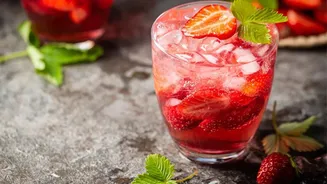
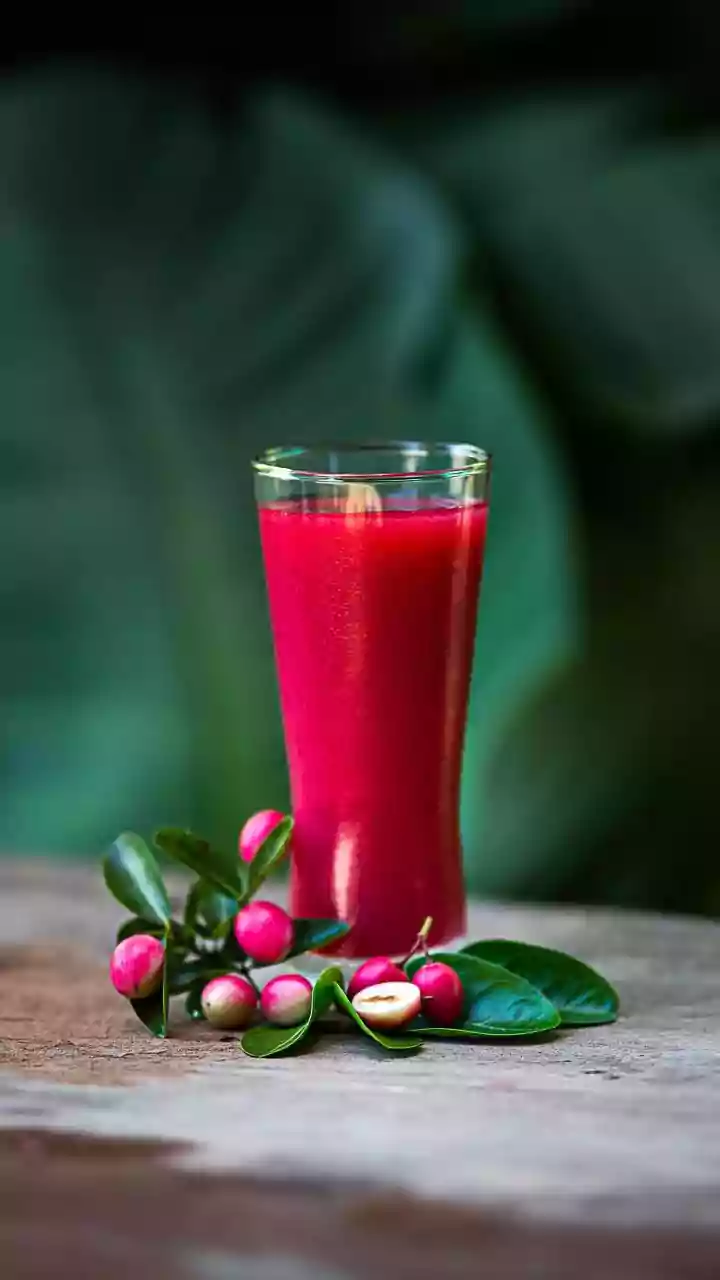
Native to India's Western Ghats, kokum (Garcinia indica) is a small, purple-red fruit celebrated for its distinct tangy taste and impressive health profile. Traditionally used as a souring agent in coastal cuisine, its most popular use is in creating refreshing drinks. In Ayurveda, kokum is known for its cooling properties, believed to balance the body's heat and prevent dehydration, making it a perfect antidote to summer fatigue. It is a natural digestive aid, known to alleviate acidity and indigestion. Furthermore, kokum is rich in antioxidants and contains hydroxycitric acid (HCA), a compound that may assist in appetite suppression. Low in calories and packed with fibre, it is a guilt-free way to add a zesty punch to your hydration routine.
Jamun: The Low-Glycemic Powerhouse
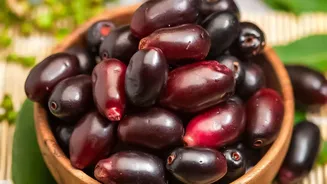
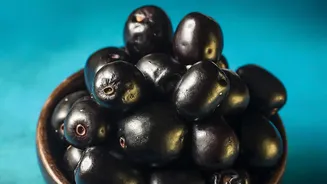
Jamun, also known as Java plum or Indian blackberry, is a beloved seasonal fruit with a unique sweet, tangy, and slightly astringent flavour. Beyond its delicious taste, jamun is renowned for its health benefits, particularly its role in managing blood sugar levels. The fruit has a low glycemic index, meaning it raises blood sugar more slowly than most other fruits. This is partly due to compounds like jamboline, which may slow the conversion of starch into sugar. Jamun is also an excellent source of antioxidants, Vitamin C, and iron, which can help boost immunity and support cardiovascular health. Its high fibre content promotes a feeling of fullness, making it a great choice for weight management.
The Art of Cold Steeping
The secret to unlocking the best flavours from these fruits without adding excessive sugar lies in cold steeping. Unlike hot brewing, which uses heat to extract flavour quickly, cold steeping involves infusing ingredients in cold or room-temperature water over several hours. This gentle, slow process has a significant advantage: it extracts the delicate flavours and beneficial compounds while leaving behind many of the bitter tannins that heat can release. The result is a drink that is naturally smoother, sweeter, and less astringent, often eliminating the need for added sweeteners. It’s a simple, low-effort method—you just combine the ingredients and let time do the work in the refrigerator.
Simple Recipes for Cooling Mocktails
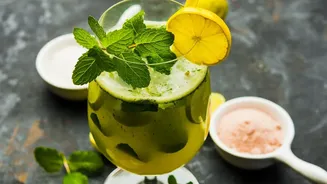
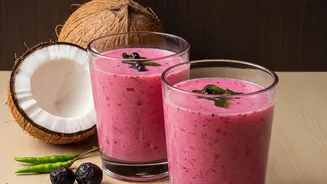
Crafting these mocktails at home is incredibly simple. You don't need fancy equipment, just your chosen fruit, water, and a bit of patience. Cold-Steeped Kokum Refresher: Take 8-10 dried kokum rinds and rinse them. Place them in a large jar with 1 litre of chilled water. For a hint of spice, add a pinch of black salt and a teaspoon of roasted cumin powder. You can also add a few fresh mint leaves. Cover the jar and refrigerate for at least 6-8 hours, or overnight. The water will turn a beautiful ruby red. Strain and serve chilled. The flavour is tangy and deeply refreshing without any added sugar. Cold-Steeped Jamun Fizz: Take a cup of fresh, ripe jamun. Remove the seeds and lightly muddle the pulp in a jar. Add 1 litre of chilled water or, for a bubbly version, sugar-free sparkling water. Add a squeeze of fresh lime juice and a few sprigs of mint. Refrigerate for 4-6 hours. The water will take on a lovely purple hue and a subtly sweet-tart flavour. Strain the fruit pulp or leave it in for extra texture. Serve immediately, garnished with a slice of lime.