



The Tomato Conundrum
Tomatoes are mostly water, and they are the primary culprit behind a soupy filling. The key is to manage their moisture before they ever meet the beans. If you're using fresh tomatoes, dicing them and letting them sit in a colander with a sprinkle of
salt for 15-20 minutes will draw out a surprising amount of liquid. For an even more robust flavour and less water, consider roasting your tomatoes first. The heat concentrates their taste and evaporates excess moisture. When using canned tomatoes, especially crushed or diced varieties, never dump the entire contents of the can into your pan. Drain them thoroughly. An even better choice is to use tomato paste, which offers concentrated tomato flavour with minimal water content. Cooking down a spoonful of paste with your onions and garlic at the start builds a deep, savoury foundation for your filling.
The Bean Predicament
Canned beans are a fantastic convenience, but they come packed in a starchy liquid that contributes to a mushy, wet filling. The most important step is to drain and rinse the beans thoroughly under cold water until the water runs clear. This removes that excess liquid and salt. But don't stop there. For a truly superior texture, spread the rinsed beans on a paper towel-lined tray and pat them dry. If you want to go the extra mile, after patting them dry, give the beans a quick sauté in a hot, dry pan for a few minutes. This process evaporates any remaining surface moisture and helps them hold their shape better when simmered with the other ingredients, ensuring each bean is distinct rather than part of a uniform mush.
Sauté for Success
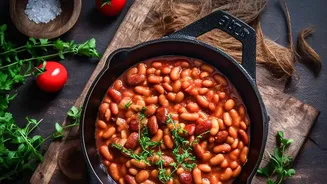
The order in which you cook your ingredients matters immensely. Don't just throw everything into a pot and hope for the best. Start by heating a bit of oil and sautéing your aromatics, like diced onion and garlic, until they soften. Next, if using tomato paste or well-drained fresh tomatoes, add them to the pan and cook them down. You want to let this mixture simmer and reduce, allowing the water to evaporate and the flavours to concentrate. You'll see the mixture thicken and darken in colour. Only after you’ve cooked off that initial liquid should you add your drained, dried beans. This method ensures you are building layers of flavour on a relatively dry base, rather than trying to boil water out of a finished mixture.
A Little Help from a Thickener
Even with careful preparation, your filling might still be a little looser than you'd like. This is where a simple thickener can save the day. One of the most effective methods is to use the beans themselves. Take a potato masher or the back of a spoon and gently mash about a quarter of the beans directly in the pan. The starch released from the mashed beans will naturally thicken the entire mixture without altering the flavour. If you need more thickening power, a cornstarch slurry is a reliable option. Mix a teaspoon of cornstarch with a tablespoon of cold water until smooth, then stir it into your simmering filling. Let it cook for another minute or two until the sauce has thickened. This works quickly and is more effective than just adding dry cornstarch to the pan.
Assembly Is Everything
Finally, how you build your taco is the last line of defence against sogginess. First, ensure your tortillas are properly heated so they are pliable and resilient, not brittle or damp. When it's time to fill them, resist the urge to overstuff. A moderate amount of filling is less likely to spill or soak through the tortilla. You can also create a moisture barrier. Placing a layer of cheese, avocado, or even refried beans on the tortilla before adding the saucier bean and tomato mixture can help protect the tortilla. Any very wet toppings, like fresh salsa or extra lime juice, should be added at the very end, right before eating, to preserve the structural integrity of your delicious, and perfectly non-soggy, breakfast taco.