





What's Driving Global Prices Up?
The primary driver of fuel prices in India is the cost of crude oil on the international market, as the country imports roughly 85% of its needs. In late August 2026, global benchmark Brent crude has been trading around $85 to $90 a barrel, a significant
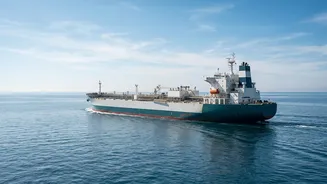
increase over the year. This surge is largely due to geopolitical instability in the Middle East, particularly disruptions to shipping through the crucial Strait of Hormuz. When a major trade route like this is threatened, it creates supply uncertainty, and traders bid up the price of oil. This geopolitical risk premium, combined with a broader structural supply deficit, has kept prices elevated despite some recent volatility. Analysts note that sustained prices above $90 a barrel could begin to create significant macroeconomic challenges for India.
From Crude Barrel to Your Vehicle's Tank
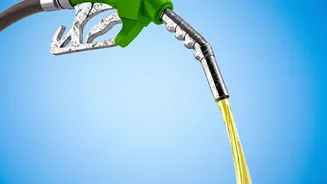
The journey from a barrel of crude oil to the petrol or diesel you buy is complex, which explains why pump prices don't always fall as quickly as crude prices might. The final retail price is a sum of four main parts: the base price (reflecting crude cost, refining, and logistics), Central government's excise duty, the dealer's commission, and the State government's Value Added Tax (VAT). Oil Marketing Companies in India use a 'daily pricing' mechanism based on a 15-day rolling average of international rates for refined petrol and diesel, not just crude oil. Taxes are a major component, often making up more than half of the final price. Because states levy VAT as a percentage, their revenue automatically increases when the base price plus excise duty goes up, compounding the cost for consumers.
The Ripple Effect Beyond the Pump
Higher fuel prices don't just affect car owners. The economic impact ripples outwards, touching nearly every aspect of daily life. Diesel is the lifeblood of India's logistics network, powering trucks that transport everything from fresh produce to consumer electronics. When diesel costs more, transportation companies pass those costs on, leading to higher prices at the grocery store and for other goods. This contributes directly to inflation. Public transport fares may rise, and ride-hailing services often add fuel surcharges. Even air travel becomes more expensive as jet fuel prices climb. Economists warn that persistently high oil prices can slow economic growth by squeezing corporate margins, particularly for small businesses, and reducing household disposable income.
Who Feels the Pinch the Most?
While everyone feels the impact of rising fuel costs, some segments of the population are hit harder than others. The urban middle class, heavily reliant on private vehicles for their daily commute, sees a direct impact on their monthly budget. For farmers, who depend on diesel to run tractors and irrigation pumps, higher fuel costs increase the expense of food production. This can shrink their profits or contribute to food price inflation. Daily wage earners and those in the gig economy, such as delivery drivers, experience a direct hit to their income as their fuel expenditure rises while their earnings may not. The widespread nature of the price rise means it disproportionately affects lower-income households, who spend a larger portion of their income on essentials like food and transport.
What Lies Ahead for Fuel Prices?
The outlook for fuel prices remains uncertain and closely tied to global events. The geopolitical situation in the Middle East continues to be the dominant factor, with any escalation or de-escalation directly influencing crude prices. Domestically, there is always the possibility of government intervention. In the past, the central government has cut excise duties to provide relief to consumers when crude prices were high, though this impacts government revenues. However, reports suggest that even with recent retail price hikes in mid-2026, oil marketing companies are still selling fuel below their breakeven costs, indicating upward pressure on prices remains. In the long term, the continued push towards electric vehicles and alternative fuels represents a strategic shift away from this volatility, but for the foreseeable future, the Indian consumer's budget will remain linked to the fluctuating price of a barrel of oil.