

The Heartland's Dairy Dreams: Mathura & Vrindavan
No culinary tour of Janmashtami can begin anywhere but the Braj region, the land of Krishna's childhood. Here, the offerings are rich with milk and butter, reflecting his famous love for dairy. The quintessential prasad is Makhan Mishri, a simple, divine
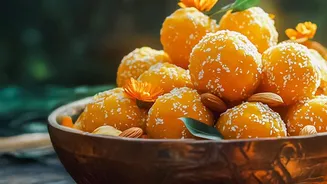
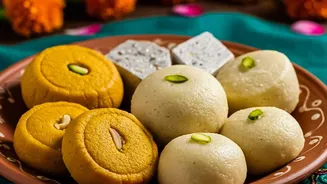
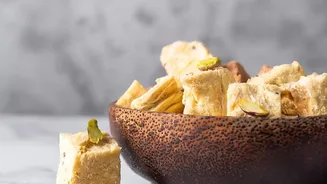
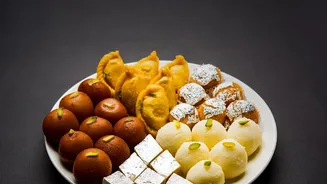
blend of freshly churned white butter and rock sugar. Another must-have is the Mathura Peda, a soft, caramelised milk sweet that has become synonymous with the city itself. Many devotees also prepare Dhaniya Panjiri, a unique offering made from roasted coriander powder, ghee, and dried fruits, which is often used to break the day-long fast. These dishes aren't just food; they are stories of Krishna's life, served with devotion.
Maharashtra's Community Spirit: Gopalkala & Shrikhand
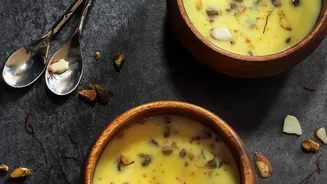
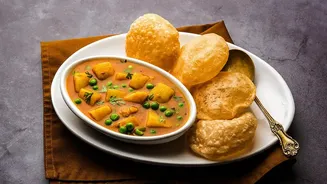
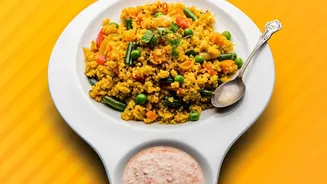
In Maharashtra, Janmashtami, or Gokulashtami, is famously associated with Dahi Handi celebrations, and the food reflects this community spirit. The star dish is Gopalkala, a savoury mixture that embodies Krishna's time as a cowherd. It combines flattened rice (poha), curd, cucumber, pomegranate seeds, and a simple tempering of spices. This dish is said to mimic the meal Krishna shared with his friends, mixing whatever they had together. Alongside this, the rich and creamy Shrikhand, a dessert made from strained yogurt (chakka) and flavoured with saffron and cardamom, is a festive staple, often enjoyed with hot puris.
The Sweet Notes of Eastern India: West Bengal & Odisha
In West Bengal, the festival is an opportunity to indulge in the state's legendary sweets. Offerings often feature treats made from 'taal' or the sugar palm fruit, which is in season during this time. Taler Bora, sweet, deep-fried fritters made from its pulp, and Taal Kheer, a rich pudding, are especially popular. Sweets made from chhena (fresh cottage cheese), like Sandesh and Rasgulla, are also prepared. Mishti Doi, the iconic caramelised sweet yogurt, is another beloved offering. The focus is on delicate, milk-based sweets that reflect the region's culinary artistry and devotion.
Gujarat's Sweet & Savoury Offerings
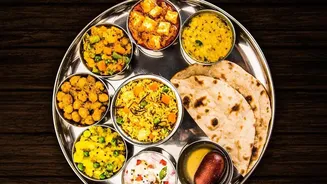
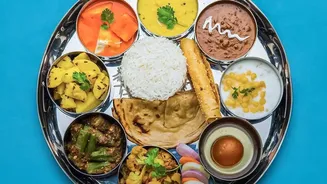
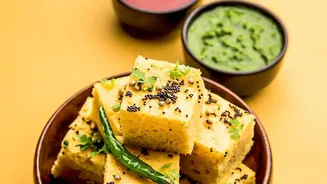
Gujarati kitchens celebrate Janmashtami with a delightful balance of sweet and savoury dishes. Dairy remains central, with sweets like Shrikhand and various types of pedas being popular. One of the most significant offerings is the Chappan Bhog, a platter of 56 dishes offered to Krishna, a tradition rooted in the story of him lifting the Govardhan Hill. While preparing all 56 is rare for households, the spirit is captured with an array of dishes like creamy Basundi, Mohanthal (a dense gram flour fudge), and crunchy snacks like Chakli and Fafda.
Southern India's Crispy Delights: Tamil Nadu & Kerala
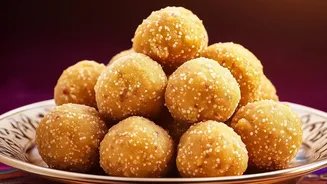
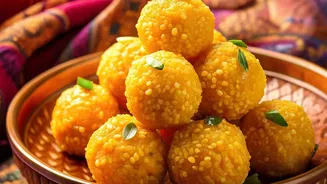
In Southern India, where the festival is known as Krishna Jayanthi or Gokulashtami, the culinary traditions are distinct. The focus is on crispy, fried snacks and sweets made from rice flour and jaggery. Uppu Seedai (savoury rice flour balls) and Vella Seedai (their sweet counterpart) are essential offerings. Other favourites include Kai Murukku (a crunchy, hand-moulded spiral snack) and sweet Appam, which are small, fluffy pancakes made with rice and jaggery. Aval, or flattened rice, a favourite of Krishna, is also prepared in both sweet (Vella Aval) and savoury (Puli Aval) forms, celebrating the simple ingredients associated with his stories.