



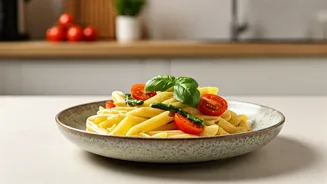


Build a Deep Flavor Base
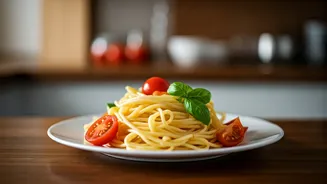
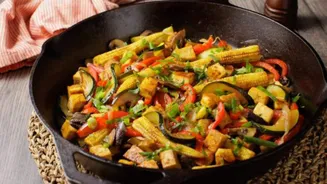
The secret to memorable pasta isn’t just what you see; it’s the foundational flavor you build. Roasting vegetables like tomatoes, onions, carrots, and bell peppers before blending them into a sauce creates a natural sweetness and depth that simmering
alone can't achieve. For an even bigger flavor boost, think umami—the savory taste often associated with meat. Plant-based ingredients are full of it. Sautéing tomato paste until it darkens, browning mushrooms, or adding sun-dried tomatoes provides a rich, complex backbone for your sauce. Don't be afraid to incorporate ingredients like soy sauce, miso paste, or nutritional yeast, which add a savory, sometimes cheesy, dimension that makes dishes feel complete.
Make it Hearty with Protein
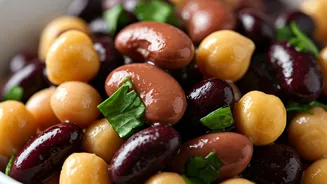
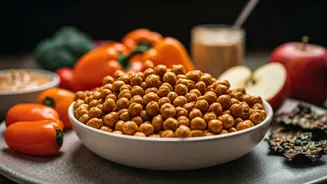
A common pitfall of vegetarian pasta is a lack of substance that leaves you hungry an hour later. The solution is to be intentional about adding protein and texture. Legumes are a fantastic and budget-friendly option. Red lentils can dissolve into sauces, thickening them and adding protein seamlessly, while chickpeas or white beans provide a pleasant, firm bite. Crumbled tofu or tempeh can mimic the texture of ground meat and readily absorb the flavors of your sauce. For a creamy, protein-rich sauce, try blending soaked raw cashews or silken tofu. You can even boost protein by choosing your pasta wisely; varieties made from chickpeas, lentils, or whole wheat offer more protein and fiber than traditional pasta.
Master the Magic of Pasta Water
That cloudy water left over from boiling your pasta is liquid gold. Before you drain your noodles, always reserve at least a cup of it. This water is filled with salt and starch, which acts as a natural emulsifier and thickener. When you toss your cooked pasta with the sauce, adding a few splashes of this starchy water helps the sauce cling perfectly to every noodle instead of pooling at the bottom of the bowl. It's the professional secret to achieving a silky, restaurant-quality consistency without adding a lot of heavy cream or oil. For thinner sauces, it adds body; for thicker sauces, it can help you achieve the perfect texture without diluting the flavor.
Finish with a Flourish
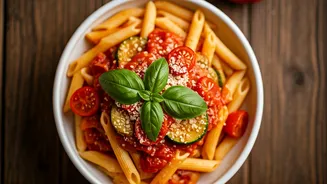
The final moments before serving are your last chance to add layers of flavor and texture. A drizzle of high-quality extra-virgin olive oil can bring all the flavors together. Fresh herbs, stirred in at the end, provide a burst of brightness that cooked herbs can’t match; think fresh basil, parsley, or even mint. A sprinkle of cheese, like Parmesan, adds a salty, umami finish. For a dairy-free alternative, nutritional yeast offers a surprisingly cheesy and nutty flavor. Finally, adding a textural element like toasted pine nuts, crunchy breadcrumbs, or toasted almonds can elevate the entire dish from a simple meal to a truly satisfying experience.