




The Search for True Darkness
For most urban dwellers, the night sky is a hazy, orange-tinged blanket with only the brightest planets and a few stars able to pierce through the glow. This phenomenon, known as light pollution, is the result of excessive and misdirected artificial light from
buildings, streetlights, and advertisements. It not only obscures our view of the universe but also disrupts ecosystems and wastes energy. As awareness of this issue grows, so does the appeal of 'astrotourism'—traveling to remote locations specifically to experience a pristine, unpolluted night sky. These journeys offer a profound connection to the cosmos, something our ancestors took for granted but is now a sought-after experience.
Himachal's Celestial Sanctuaries
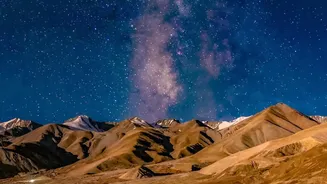
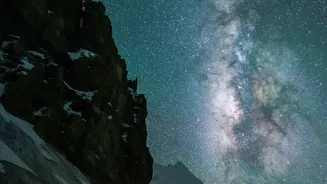
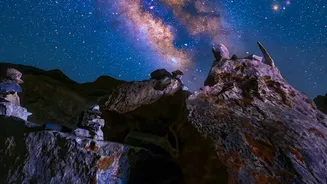
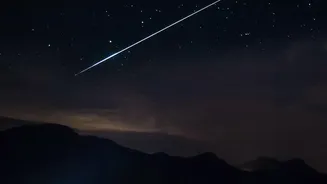
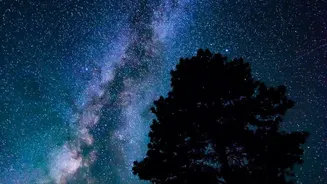
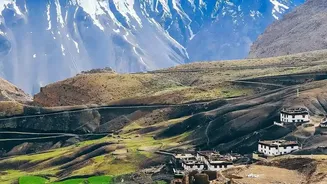
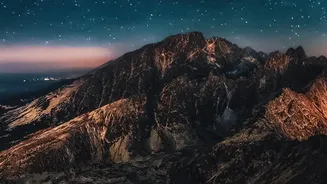
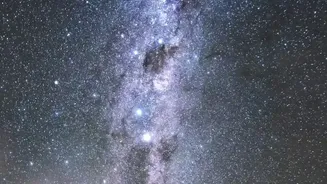
While India's first officially designated Dark Sky Reserve is in Hanle, Ladakh, the neighbouring state of Himachal Pradesh is rapidly emerging as a premier destination for stargazers. The cold, dry desert landscapes of regions like the Spiti Valley and Lahaul offer near-perfect conditions for celestial observation: high altitude, minimal atmospheric interference, and incredibly low levels of light pollution. Nestled at elevations often exceeding 4,000 metres, villages here provide a front-row seat to the spectacle of the Milky Way, meteor showers, and distant galaxies, often visible to the naked eye. These areas are sometimes referred to as having Bortle Class 1 skies, the darkest possible rating.
Prime Stargazing Hotspots
The Spiti Valley is the heart of Himachal's astrotourism scene. Villages like Kibber, Komic, Langza, and Tabo are celebrated for their crystal-clear nights. Kibber, on the edge of a wildlife sanctuary, offers vast, unobstructed views. Langza, famous for its large Buddha statue overlooking the valley, provides a dramatic foreground for astrophotography. Komic is one of the highest motorable villages in the world, getting you even closer to the stars. Even the area around Chandratal Lake, the 'Moon Lake', transforms into a natural observatory at night, with the stars reflecting on its still surface. Beyond Spiti, hamlets in Kinnaur like Kalpa and even quieter spots like Rajgundha Valley are gaining reputations for their brilliant night skies.
A Community-Led Cosmic Boom
What makes Himachal's astro-boom special is its connection to the local communities. This isn't just about tourists arriving with telescopes; it's a sustainable model of tourism providing new livelihoods. In villages like Sissu in Lahaul, local panchayats and development groups are training residents to be astro-guides. Homestays are becoming the accommodation of choice, offering travelers an authentic experience while ensuring the economic benefits stay within the community. These initiatives often involve education on responsible tourism, such as using red-light torches and minimizing all forms of light to preserve the very darkness that makes these places so unique. Much like the model established in Hanle, where locals are integral to the Dark Sky Reserve, Himachal is fostering a grassroots movement that blends science, tourism, and culture.
Planning Your Trip to the Stars
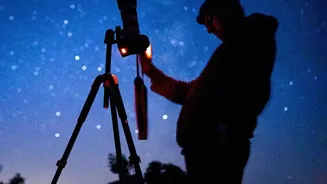
To get the best views, timing and preparation are key. The ideal window for stargazing in Spiti and Lahaul is generally from May to October, when the roads are clear of snow and the skies are reliably cloud-free. For the absolute best clarity, plan your trip around the new moon, as a full moon can wash out fainter stars. Pack multiple layers of warm clothing, as temperatures drop dramatically after sunset, even in summer. Binoculars are a great starting point for any budding astronomer, but you don't need expensive equipment to be awestruck. The sheer number of stars visible to the naked eye is an experience in itself. When you visit, be a conscious traveler: support local homestays, hire local guides, and be mindful of your light footprint to help protect this celestial heritage for years to come.