



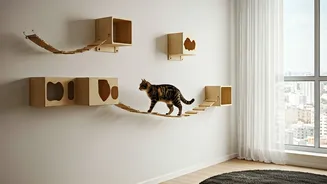


Why Your Cat Craves Height
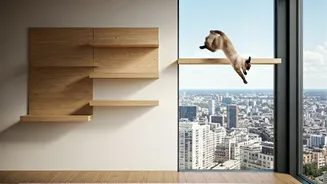
Before you start drilling, it’s helpful to understand why your sophisticated apartment dweller is secretly a jungle cat at heart. In the wild, cats are both predators and prey. Climbing gives them a strategic advantage. From a high perch, they can survey
their territory for potential threats and spot opportunities (like an unsuspecting toy mouse on the floor). This instinct doesn't disappear just because they live on the 15th floor. A high spot provides a sense of security and confidence. It's a safe retreat where they can observe the household chaos from a calm distance, feeling untouchable and in control.
The Benefits of a Vertical World
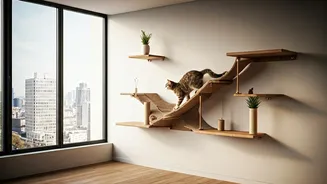
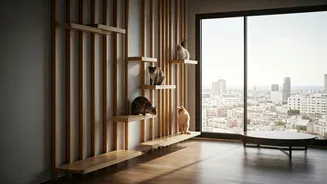
Installing cat shelves, often called a 'cat superhighway', does more than just satisfy a primal need. For indoor cats, especially in smaller apartments, it's a crucial form of enrichment. It encourages physical activity—jumping, climbing, and balancing—which helps maintain a healthy weight and muscle tone. It also provides vital mental stimulation, turning a boring wall into an engaging puzzle. In multi-cat households, vertical space is a secret weapon for keeping the peace. It expands the available territory, allowing cats to create their own zones and avoid conflict by navigating around each other at different levels.
Choosing the Right Shelves
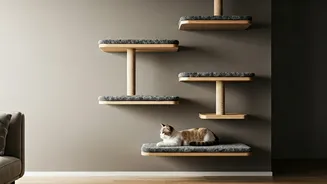
Not all shelves are created equal. When selecting the perfect vertical setup, prioritise sturdiness above all else. The shelves must be able to handle the force of a cat leaping onto them without wobbling. Look for products made from solid wood or high-quality plywood, with strong metal brackets. Surface texture is also key. A simple, slippery wooden shelf is less appealing and less safe than one covered in carpet, sisal, or a non-slip fabric. This gives your cat the grip they need to feel secure. Finally, consider the size. The shelves should be deep and long enough for your cat to comfortably lounge and turn around.
Simple Steps and Perches
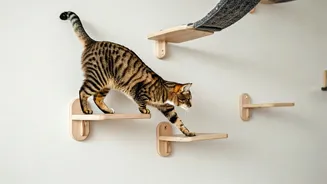
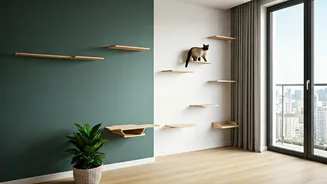
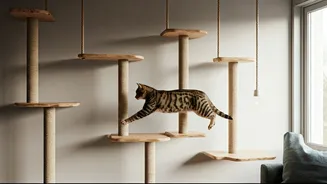
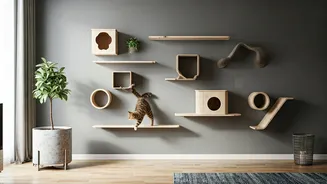
If you're new to the world of catification or have limited space, starting with a simple set of staggered steps or perches is a great option. These are individual shelves that you can arrange in a staircase pattern up a wall, leading to a destination perch next to a window or atop a tall bookshelf. This setup encourages movement and provides a functional pathway. Look for minimalist designs that blend with your decor. Many companies now offer sleek, modern-looking steps in various wood finishes that look more like floating shelves than obvious pet furniture.
Integrated Loungers and Hammocks
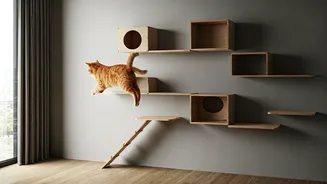
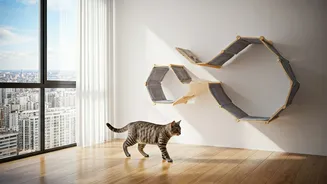
For the ultimate feline luxury, consider shelves that incorporate lounging spots. These go beyond simple perches to include features like fabric hammocks slung between two points or deep, box-like enclosures where your cat can curl up for a nap. These destination spots make the vertical journey more rewarding. Wall-mounted hammocks are a particular favourite, as they cradle the cat's body, providing a secure and comfortable place to sleep. Some modular systems even include feeder stations, so your cat can dine with a view.
Installation and Safety First
The success of your cat highway hinges on safe installation. Always anchor shelves into wall studs using a stud finder. Drywall alone is not strong enough to support a cat's weight, especially when they are jumping. If studs aren't available in your desired location, use heavy-duty drywall anchors rated for significant weight. Plan your layout carefully. Ensure the distance between shelves is manageable for your cat's age and agility—not too far apart for a senior cat, but challenging enough for a young athlete. Create a path that flows logically and has no dead ends, allowing your cat to easily get up and, just as importantly, get back down.