







Why Eating Seasonal Matters in Monsoon
During the rainy season, the body's digestive system tends to slow down due to the increased humidity. Ayurvedic wisdom suggests that this is a time when our digestive fire, or 'Agni', is weaker. Eating light, warm, and freshly cooked meals becomes crucial.
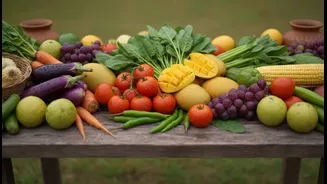
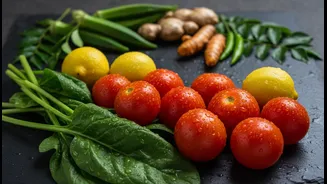
Seasonal produce is nature’s way of providing exactly what our bodies need. These ingredients are typically easier to digest, packed with nutrients at their peak, and help bolster immunity against common monsoon ailments like colds and infections. Choosing seasonal also means you are getting produce that is naturally ripened and has better flavour, without the need for artificial methods.
Embrace the Goodness of Gourds
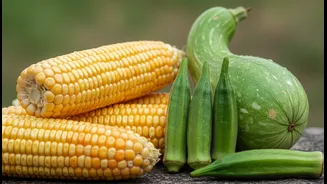
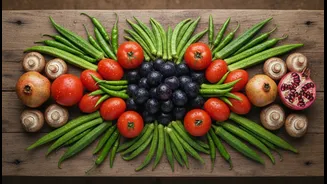
The monsoon is the peak season for a variety of gourds. Vegetables like bottle gourd (lauki), ridge gourd (turai), bitter gourd (karela), and snake gourd (chichinda) thrive in this weather. These vegetables are high in water content and fibre, making them light on the stomach and easy to digest. Bitter gourd, in particular, is celebrated for its immunity-boosting and antibacterial properties. You can turn these versatile vegetables into simple stir-fries, add them to lentil dishes like dal, or make comforting soups. A simple lauki soup or a lightly spiced turai sabzi can be both nourishing and delicious, perfectly complementing the cool, rainy weather.
The Humble Power of Corn
Is there a more iconic monsoon snack than a roasted bhutta? Corn is a star of the rainy season for good reason. It's a fantastic source of fibre and antioxidants. Beyond the classic roasted cob with salt and lime, corn can be incredibly versatile. Use fresh kernels to make a warm corn chaat, add them to vegetable pulao for sweetness and texture, or blend them into a creamy, comforting soup. Steamed corn, lightly seasoned, also makes for a quick and healthy snack that satisfies those monsoon cravings without being heavy or oily.
Go for Grounded Roots and Tubers
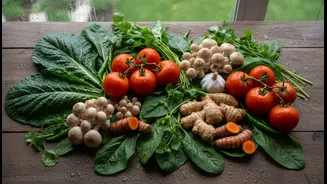
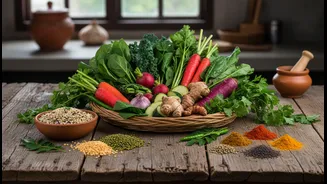
The damp earth of the monsoon is perfect for growing tubers and root vegetables like taro (arbi) and yam (suran). These vegetables are grounding, and when cooked properly, they provide sustained energy. Arbi can be made into a flavourful dry curry with ajwain (carom seeds) to aid digestion, while yam is often used in hearty preparations. These vegetables offer a satisfying texture and are great at absorbing the flavours of spices. Spices like ginger, turmeric, and black pepper are particularly beneficial during this season, as they help support digestion and have warming properties.
Enjoy Immunity-Boosting Fruits
The monsoon fruit basket is vibrant and full of immunity-boosting options. Jamun (Java plum), with its deep purple hue, is packed with iron, potassium, and vitamins. Pears are another excellent choice, as they are nutrient-dense and high in vitamin C and fibre. Papaya, available for much of the year, is especially helpful during the monsoon because it contains the enzyme papain, which aids digestion. Fruits like litchi and pomegranate also make their appearance and are great sources of antioxidants that help protect the body from infections.
Making Cooking Simple and Flavourful
Cooking with fresh seasonal ingredients often means less effort for more flavour. Since the produce is at its peak, it doesn't require complicated techniques or heavy sauces to taste good. A simple stir-fry, a light curry, or even just steaming the vegetables with a sprinkle of salt and pepper can be incredibly satisfying. Preparing meals like moong dal khichdi with added vegetables is a classic monsoon comfort food that is both light and nourishing. Using warming spices like cumin, ginger, and turmeric not only enhances the taste but also supports your well-being during this season.