

Beyond the Neighbourhood Halwai
For decades, the art of Indian sweets was largely the domain of the local halwai, whose recipes were perfected and passed down through generations. Festivals, weddings, and casual cravings were satisfied by a trip to these beloved neighbourhood shops.
While those institutions remain vital, there's a visible shift happening. Young, urban home cooks are increasingly taking the rolling pin into their own hands, not just to replicate family recipes, but to completely reimagine them. This isn't just about making sweets at home; it's about personalising them, infusing them with global influences, and aligning them with a contemporary palate that craves novelty alongside nostalgia.
A Fusion of Unforgettable Flavours
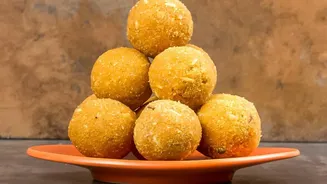
The results of this experimentation are as exciting as they are delicious. Traditional forms are being infused with unexpected ingredients, creating a whole new genre of Indian desserts. Imagine a soft, moist Gulab Jamun Loaf Cake, where the familiar notes of cardamom and rose are baked into a tender crumb. Or consider the Gajar Ka Halwa Cake, which transforms the beloved carrot pudding into a layered confection with cream cheese frosting. The fusion extends further, with creations like Thandai Baklava combining the cooling spice mix with flaky phyllo pastry, and Motichoor Laddoos finding a new home as the base for a decadent cheesecake. Even the classic barfi is getting a modern makeover with Cookies and Cream and Chocolate Badam versions becoming popular. These cooks are borrowing techniques and tastes from Western baking and global patisserie to give Indian mithai what some call a 'naya edition'.
The Instagram Effect
This creative explosion is being fuelled by social media. Platforms like Instagram have become a virtual display case for these ambitious home cooks and bakers. A beautifully plated Rasmalai Tres Leches Cake or a Dark Chocolate Kaju Katli isn't just a dessert; it's a work of art designed to be shared and admired online. This visual medium allows home cooks to build communities, share recipes, and even launch small businesses from their kitchens. The endless scroll of stunning food photography inspires others to try their own hand at experimentation, creating a virtuous cycle of innovation. Seeing a reel of someone successfully making Paan Ladoos with a gulkand centre or a vibrant Rhubarb Jalebi can be the nudge a follower needs to move from observer to creator.
Redefining Tradition, Not Replacing It
While the flavours might be new, the spirit behind this trend is deeply rooted in respect for tradition. Many of these young cooks aren't trying to erase the past but are instead building upon it. They are asking how to make these timeless sweets relevant and exciting for a generation that grew up with a wider range of culinary experiences. The shift reflects broader changes in the Indian food market, which is seeing a 'premiumisation' across categories from coffee to chocolate. Consumers, particularly younger ones, now seek high-quality ingredients, creative presentation, and a story behind their food. By incorporating ingredients like sattu into brownies or creating sugar-free versions of classic sweets, these home cooks are ensuring that the legacy of Indian mithai continues to evolve and thrive in a modern, health-conscious world. They are proving that tradition isn’t a rigid set of rules, but a living, breathing thing that can be adapted, celebrated, and most importantly, enjoyed in new ways.