






The Science of Living Light
Bioluminescence is nature’s own lighting system, used by organisms from fireflies to deep-sea fungi. It’s a chemical reaction where a substance called luciferin is acted on by an enzyme, luciferase, to produce light. For years, scientists have dreamed
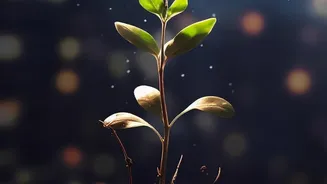
of harnessing this natural process. The goal is to create plants that can produce their own light continuously, powered by their own metabolism instead of an external energy source. Recent breakthroughs have focused on inserting the genetic blueprints for bioluminescence from glowing fungi into common plants.
What Is the New Breakthrough?
The latest advancements are all about efficiency and brightness. Early attempts at creating glowing plants resulted in a very faint light. However, recent research has yielded plants that are significantly brighter. Scientists have refined the process by integrating a self-sustaining bioluminescence pathway from fungi into the plants' existing metabolic system. This system cleverly uses caffeic acid, a compound already present in most plants, as a fuel for the light-producing reaction. Researchers in China have successfully engineered over 20 species, including roses, petunias, and orchids, that can glow on their own throughout their life cycle, requiring only water and nutrients.
The Economic and Environmental Promise
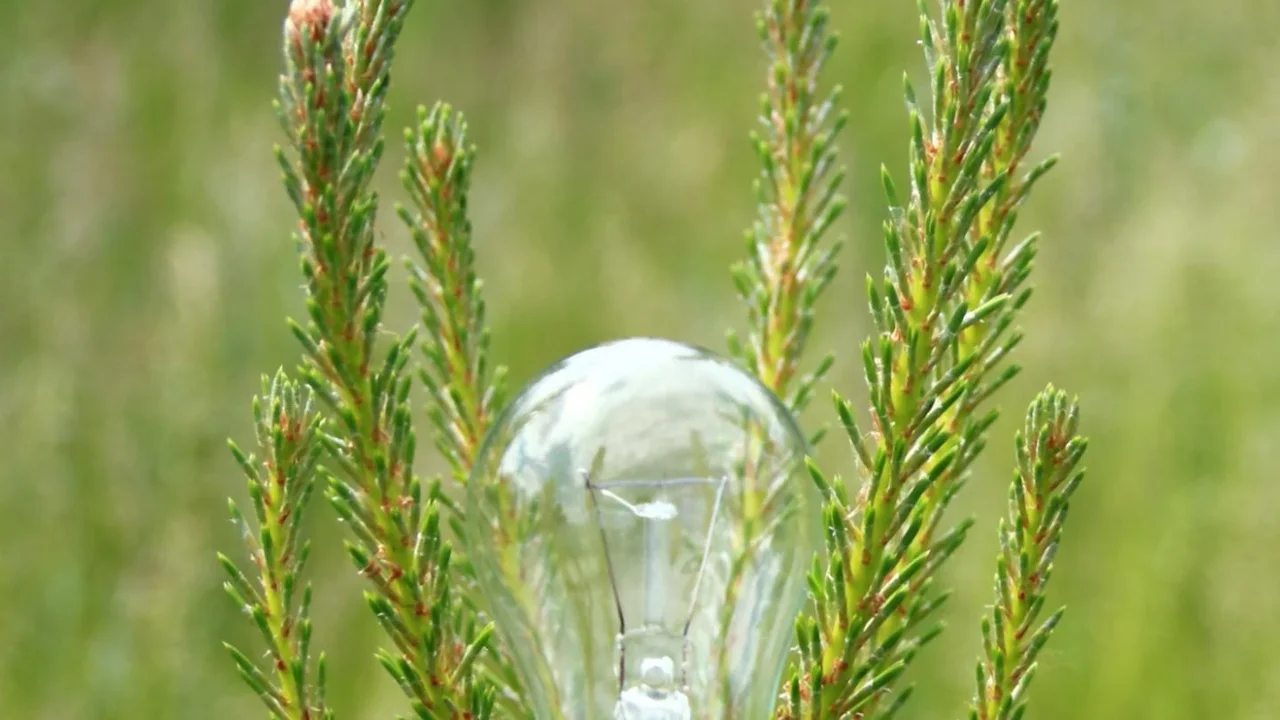
The primary appeal for cities is the potential for huge energy savings. Urban public lighting accounts for a significant portion of municipal electricity bills. Replacing electric streetlights with self-powered, glowing trees could dramatically reduce this expense and the associated carbon footprint. These living lights don't require an electrical grid, which cuts down on costly infrastructure, production, and maintenance. Furthermore, the soft glow from plants would reduce the harsh light pollution that plagues modern cities, which is known to disrupt nocturnal wildlife and obscure the night sky.
From the Lab to the Street Corner
Despite the progress, you shouldn't expect your city to be lined with glowing trees just yet. The main challenge remains brightness. While the newest creations are much brighter than their predecessors, their light output is still far below that of modern LED streetlights. Researchers are actively working to increase the intensity of the glow. Companies like Light Bio have already brought a 'Firefly Petunia' to the US market, demonstrating commercial viability for decorative purposes. The success of these consumer products is a crucial step toward scaling the technology for larger public works.
Hurdles and Ethical Questions
Beyond the technical challenge of brightness, there are regulatory and ecological hurdles to overcome. Introducing genetically modified organisms into the urban environment on a mass scale requires careful consideration and public acceptance. Questions about the potential for these modified genes to escape into wild plant populations and the long-term effects on local ecosystems will need to be thoroughly addressed. Scientists and regulators must work together to ensure that this promising technology is deployed safely and responsibly before it can become a widespread feature of our cities.