




Immediate Action: The First 15 Minutes
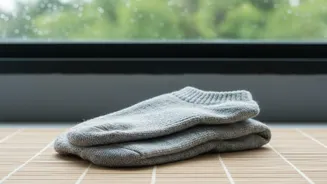
The moment you step indoors, your priority is to get your feet out of their damp environment. Wet shoes and socks create a perfect breeding ground for fungi and bacteria. The first and most crucial step is to remove them immediately. Don't be tempted
to sit and relax first. Prolonged exposure to moisture softens the skin, a process called maceration, which weakens its natural protective barrier and makes it vulnerable to infections. Once your shoes and socks are off, your next move is to thoroughly wash your feet with mild soap and warm water, paying close attention to the spaces between your toes where moisture loves to hide.
The Art of Drying Properly
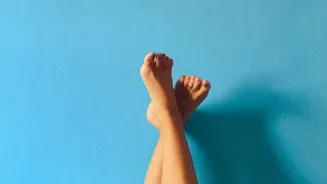
Washing your feet is only half the battle; drying them correctly is just as important. Vigorously rubbing with a rough towel can irritate softened skin. Instead, pat your feet dry with a clean, soft towel. Make a special effort to dry the webbing between your toes, as this is where fungal infections like athlete's foot often begin. After towelling off, let your feet air-dry for another 10-15 minutes before putting on any kind of indoor footwear. To absorb any lingering moisture, you can apply an antifungal or talcum powder, which helps keep your feet dry and can combat odour.
Understanding the Risks: Fungi and Bacteria
Why all the fuss? The warm, humid conditions of the monsoon are ideal for the growth of microorganisms. Athlete's foot is one of the most common complaints, causing an itchy, scaly rash that can sting or burn. You might notice peeling skin, redness, or even small blisters between your toes. Bacterial infections are also a concern, potentially leading to painful conditions if germs enter through small cuts or cracks in the weakened skin. A persistent unpleasant odour is another sign that you may have a brewing bacterial or fungal issue. Never share towels or footwear, as this can easily spread infections.
Your Footwear Rescue Mission
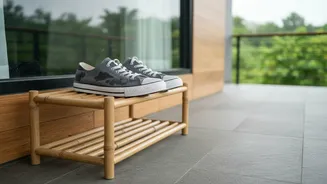
Your feet aren't the only things that need attention; your drenched shoes require immediate care too. Never store wet shoes in a dark cupboard, as this encourages mould and mildew. First, remove the insoles and loosen the laces to help them air out. To speed up the drying process, stuff them with crumpled newspaper, which is highly absorbent. Replace the newspaper every few hours if the shoes were particularly soaked. Another effective method is to place them in front of a fan. Avoid using direct heat from a hairdryer or placing them in a clothes dryer, as high heat can damage the adhesives and warp the shape of your shoes. It's also wise to alternate your shoes, giving each pair at least 24 hours to dry out completely before you wear them again.
Preventative Habits for Healthy Feet
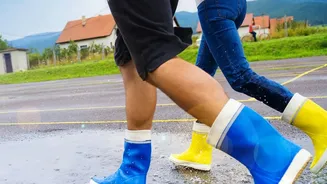
While post-commute care is vital, a few preventative habits can make a big difference. When possible, opt for waterproof, open-toed footwear like sandals or floaters that allow water to drain and your feet to breathe. Avoid materials like leather or canvas that absorb and hold water for long periods. Keeping your toenails trimmed short and straight prevents the accumulation of dirt and reduces infection risk. Finally, moisturise your heels daily to prevent cracking, but avoid applying lotion between your toes, as this can trap moisture.