



Thinking Beyond the Floor
For cat owners in urban India, from Mumbai to Bengaluru, apartment living presents a unique challenge: how to keep an indoor cat happy and stimulated. While we see our homes in two dimensions—length and width—cats see a third: height. Their wild ancestors
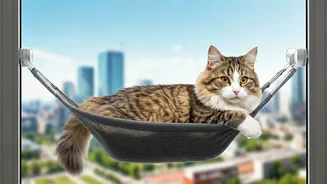
were climbers, using trees and high vantage points to survey their territory, spot prey, and stay safe from predators. This instinct doesn't disappear just because they live on the 15th floor. A cat without access to vertical space can become bored, stressed, and even destructive. They crave high perches, which provide a sense of security and a commanding view of their kingdom, even if that kingdom is just your living room.
Enter the Cat Superhighway
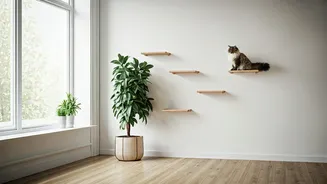
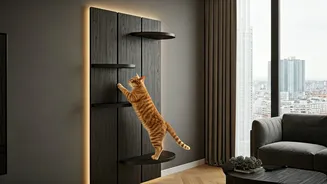
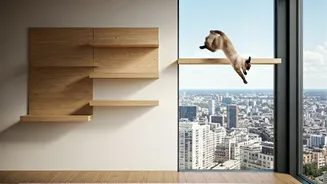
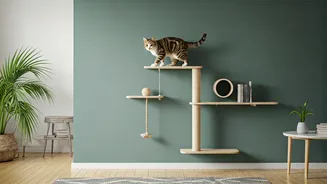
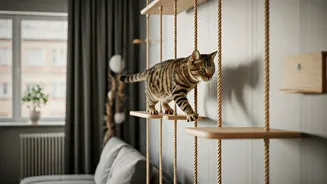
Vertical climbing bridges are a key component of what cat behaviourists call 'environmental enrichment'. These are not your standard cat trees. Instead, they are purpose-built structures, often made of solid wood and sturdy rope, designed to be mounted on walls. They connect shelves, perches, and hammocks, creating an elevated 'superhighway' for your cat to traverse. Think of it as building a custom jungle gym that uses your unused wall space. These bridges allow your cat to move around a room without ever touching the floor, satisfying their natural urge to climb, explore, and claim high-altitude territory. For a cat in a small flat, this effectively multiplies their usable living area.
The Benefits of Life Up High
Providing vertical space is about more than just fun; it's crucial for your cat's mental and physical well-being. Climbing and balancing on bridges provide excellent physical exercise, helping to keep your cat lean and agile. Mentally, it's a huge stress reliever. Having an 'escape route' to a high, safe spot allows a nervous cat to retreat from household chaos, like visitors or a vacuum cleaner. In multi-cat households, vertical territory is even more critical. It diffuses tension by allowing cats to establish their own spaces and avoid conflict. A cat that can watch the world from a secure perch is often a calmer, more confident, and happier companion.
How to Plan Your Vertical World
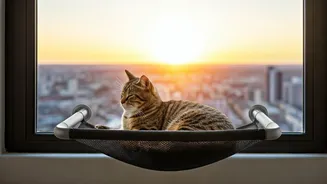
Creating a successful cat highway requires some planning. Don't just install a single bridge in the middle of a wall. It needs a purpose. Start by identifying your cat's favourite spots. Do they love looking out a particular window or sleeping near a warm patch of sun? Use shelves as 'launch pads' and 'landing zones' near these areas. The bridges then act as connectors. Create a circuit that allows your cat to get from, say, a bookshelf to a window perch and then to a comfy wall-mounted bed. Ensure the jumps between elements are manageable. The goal is to create a seamless, engaging path that encourages movement and exploration.
Choosing the Right Gear
When shopping for climbing bridges and shelves, safety and stability are paramount. Look for products made from solid wood, not cheap particleboard, which can sag or break. The bridge itself should be constructed from durable materials like thick sisal rope or have wooden slats with good grip. Pay close attention to the weight rating and ensure it can comfortably support your cat (or multiple cats, if they're likely to share). Many artisans on platforms like Etsy offer custom-made solutions, allowing you to choose finishes that match your home decor. While it's an investment, a well-built system will provide years of safe enjoyment.
Installation is Everything
Even the best cat bridge is dangerous if not installed correctly. Your walls' integrity is key. Plasterboard or drywall alone is not strong enough. You must anchor the mounting brackets directly into wall studs (the solid wood beams inside your wall). Invest in a good quality electronic stud finder to locate them accurately. Use the hardware provided by the manufacturer, or upgrade to stronger screws if you have any doubts. Once installed, test the stability of every component by pulling on it with significant force before you let your cat explore. A secure installation gives both you and your cat peace of mind.