








Inspect for Cracks and Leaks
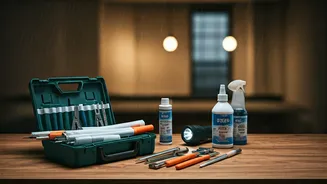
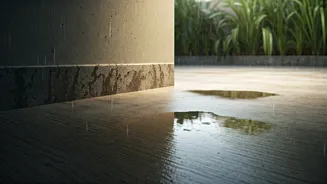
Your first line of defence begins before the first heavy downpour. A thorough inspection is crucial. Check your roof, terrace, and exterior walls for any cracks or gaps where water might seep in. Pay close attention to the seals around windows and door
frames. Use a waterproof sealant to fill any visible cracks immediately. Also, ensure your drainage system is clear. Clogged gutters and pipes can cause water to overflow and pool around your home's foundation, leading to significant issues. A quick sweep to remove leaves, debris, and dirt can save you a world of trouble later.
Tackle Damp Walls and Mould
Dampness is the monsoon's most unwelcome guest, often bringing along musty smells and unhealthy mould. To combat this, ensure your home is well-ventilated. Open windows for a few hours on dry, sunny days to let fresh air circulate. Inside your home, you can place moisture-absorbing materials like silica gel packs or even bowls of rock salt in cupboards and damp corners. If you spot mould (black or green patches), treat it immediately. A solution of white vinegar and water is an effective, non-toxic cleaner. For persistent dampness, investing in a dehumidifier can make a huge difference.
Safeguard Your Electricals
Water and electricity are a dangerous combination. During the monsoon, the risk of short circuits and electrical shocks increases. Before the season starts, get a qualified electrician to check your home’s wiring, especially any exposed or outdoor connections. Ensure all sockets are properly earthed. If any appliance comes into contact with water, unplug it immediately and do not use it until it is completely dry and has been checked by a professional. It's also wise to install a circuit breaker (like an ELCB or RCCB) to automatically cut off power in case of a leakage.
Manage Swollen Wooden Doors
The high humidity of the monsoon causes wood to absorb moisture and swell, making doors and windows difficult to shut. This common annoyance can be managed with a few tricks. Rubbing a candle or a bar of soap along the edges of the door or window frame can help it glide more smoothly. Another option is to sand down the tight spots slightly. To prevent the issue in the first place, apply a fresh coat of paint or varnish to all your wooden fixtures before the rains begin. This creates a protective barrier that repels moisture, keeping the wood stable.
Protect Furniture and Carpets
Your furniture and carpets are also vulnerable to monsoon damage. Keep wooden furniture at least a few inches away from walls to prevent moisture from seeping into the wood, which can cause it to warp or develop fungus. Wiping them down regularly with a dry cloth is also a good practice. As for carpets, the damp air can make them a breeding ground for germs and give off a foul odour. It's best to roll them up and store them in a dry place for the season. If you prefer to keep them out, vacuum them frequently and consider using a carpet freshening powder.
Keep Monsoon Pests Away
The monsoon is peak season for insects and other pests seeking shelter indoors. Keep your home clean and dry to make it less inviting. Don’t leave food out, and dispose of garbage regularly. Check for any stagnant water in and around your home—in plant pots, coolers, or discarded containers—as these are breeding grounds for mosquitoes. Seal any cracks or holes in walls and around pipes where pests might enter. Using natural repellents like camphor, neem leaves, or cloves can also help deter insects without resorting to harsh chemicals.