




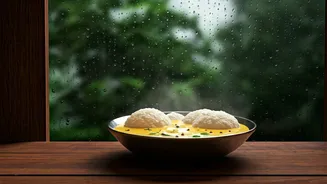


The Monsoon's Culinary Anthem
There's a certain magic to the monsoon season. It’s a time of relief from the scorching summer heat, a period of renewal and introspection. And with this atmospheric shift comes a change in our appetites. We turn away from light salads and cooling drinks,
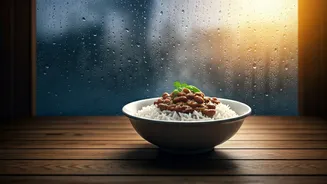
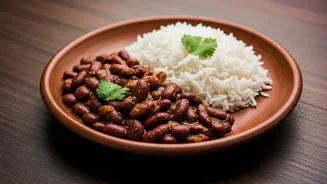
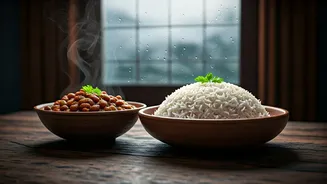
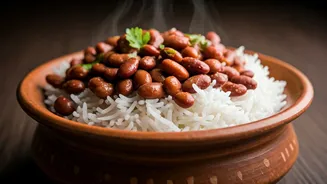
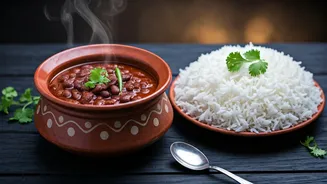
seeking solace in heartier fare. This is where rajma chawal reigns supreme. It’s not just food; it’s a feeling. The combination of creamy, slow-cooked kidney beans in a thick, spiced gravy served alongside fluffy white rice is the culinary equivalent of a warm blanket on a chilly, damp day. This craving isn't just a coincidence; studies show that when our mood dips slightly due to gloomy weather, we instinctively reach for carbohydrate-rich comfort foods that can give our serotonin levels a gentle boost. Rajma chawal, with its perfect balance of protein and carbs, fits this description perfectly.
A Bowl Full of Nostalgia
For countless Indians, rajma chawal is more than just a seasonal favourite; it’s a taste of childhood. It’s the quintessential Sunday lunch, a meal that brought the entire family together. The aroma of onions, ginger, and garlic sizzling in a pressure cooker is a powerful sensory trigger, instantly transporting many of us back to our mothers' or grandmothers' kitchens. For those living away from home—in hostels, new cities, or even different countries—a bowl of rajma chawal is a potent cure for homesickness. It represents a connection to our roots, a simple and delicious reminder of where we come from. Each family has its own secret recipe: some like it spicier, some add a dollop of ghee at the end, and others insist on a side of pickled onions. But the core emotion it evokes remains universal: a sense of belonging and unconditional love.
The Humble Powerhouse
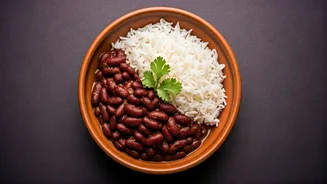
Let’s talk about the dish itself. The beauty of rajma chawal lies in its simplicity and its depth. The kidney bean, or rajma, is a relatively modern ingredient in the Indian pantry, believed to have been introduced from the Americas through trade routes. Yet, we have made it entirely our own. The beans are soaked overnight and then slow-cooked until they are meltingly tender, absorbing the flavours of the surrounding gravy. This gravy is a masterclass in balance—tangy tomatoes, pungent onions, aromatic ginger-garlic paste, and a blend of spices like turmeric, coriander, and garam masala. When this rich, savoury curry is ladled over a bed of perfectly cooked basmati rice, something magical happens. The rice soaks up the gravy, ensuring that every spoonful is a complete, satisfying bite. It’s a meal that is both humble enough for a weeknight dinner and special enough for a family gathering.
A Shared Cultural Moment
The headline claim that rajma chawal is “winning rainy hearts again” is proven true every year on social media. As soon as the monsoon sets in, our Instagram and Twitter feeds are flooded with pictures of steaming plates of rajma chawal. People share their homemade creations, their favourite restaurant versions, and memes celebrating the dish's status as the official food of the rainy season. This online celebration turns a personal comfort into a shared cultural experience. It's a collective nod of agreement, a digital community bonding over a mutual love. In a world of fleeting food trends and complex culinary innovations, the enduring popularity of rajma chawal is a testament to its timeless appeal. It doesn’t need a modern twist or a deconstructed version; it is perfect as it is.