





The Tradition and the Trouble
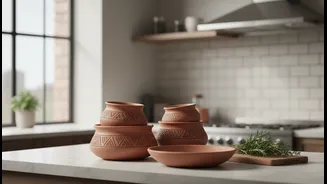
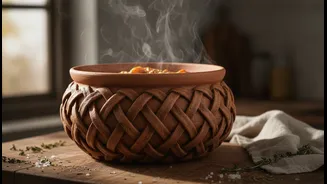
For generations, kitchens in Rajasthan have relied on terracotta, or 'mitti ke bartan'. These pots are prized for their ability to cook food slowly and evenly, retaining moisture and nutrients. The porous nature of the clay allows heat and steam to circulate,
resulting in tender dishes and a unique, earthy flavour that metal pots cannot replicate. However, this same porosity is also the cookware's greatest weakness. Clay is highly susceptible to 'thermal shock' — a sudden change in temperature. Placing a cold pot on a high flame, adding cool water to a hot pot, or simply uneven heating can cause the clay to expand and contract unequally, leading to fissures and, eventually, a clean break. This fragility has often relegated terracotta to a special-occasion item, but artisans are now innovating to bring it back to daily use.
Strengthening the Clay Itself
The first line of defence against cracking starts with the raw material. Potters are moving beyond using simple riverbed clay and are now creating sophisticated clay bodies. A key innovation is the addition of 'temper' or 'grog' — materials that are fired and ground before being mixed into raw clay. Historically, this might have been sand, but modern artisans are experimenting with precisely ground stone, quartz, and even pre-fired ceramic dust. This non-plastic material creates microscopic spaces within the clay. These spaces act as a buffer, allowing moisture to escape more evenly during firing and drying, which significantly reduces internal stress. This fortified clay is less prone to shrinking and warping, creating a denser, stronger final product from the inside out.
Rethinking Shape and Form
A major source of cracking is inconsistency in the pot's structure, especially where a thick base meets a thinner wall. Modern designers are addressing this with subtle but crucial changes to the vessel's form. New designs often feature a more uniform wall thickness from base to rim. Potters are also employing gentler, more rounded curves at the base and handles. Sharp angles are points of concentrated stress; a smoother curve helps to distribute heat and physical stress more evenly across the entire pot, making it less likely to fracture. Some modern terracotta cookware now incorporates a thicker, flatter base, specifically designed for better contact with gas stove burners or electric hobs, further ensuring even heat distribution and reducing the risk of thermal shock.
The Science of a Better Bake
How a pot is fired is just as important as the clay it's made from. Traditional open-fire kilns often resulted in uneven heating, leaving some parts of the pot less vitrified and more porous than others. Today's artisans are increasingly using modern, temperature-controlled kilns. Firing the pottery at a higher, more consistent temperature for a longer period makes the clay particles fuse together more completely. This process, known as sintering, creates a less porous and more durable material that is more resistant to water absorption and subsequent cracking. Some innovative techniques, like the black pottery seen in Manipur and parts of Rajasthan, involve a second firing or smoking process which further seals the surface, making the pots naturally more water-resistant and stronger.
The Final Touches for Daily Use
Beyond the pot itself, modern practices include better guidance for the end user. Many makers now pre-season their pots or provide detailed instructions on how to do so at home. Seasoning typically involves soaking the pot in water for several hours before its first use. This initial hydration 'cures' the clay, making it tougher and less prone to thermal shock. Furthermore, the use of partial glazes on the exterior can help reduce porosity and make cleaning easier, though many purists still prefer fully unglazed pots for maximum breathability. By combining stronger materials, smarter designs, controlled firing, and better user education, modernised Rajasthani terracotta is becoming what it was always meant to be: a beautiful, healthy, and reliable part of the daily kitchen.