


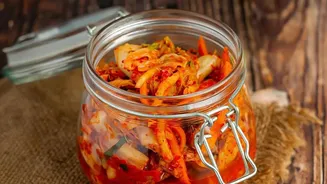

An Age-Old Practice, A Modern Trend
For centuries, fermentation was a practical method of preserving food long before refrigeration existed. This natural process, where microorganisms like bacteria and yeast break down sugars and starches in food, not only extends shelf life but also transforms
flavour and texture. Today, this ancient technique is at the forefront of health conversations. The focus has shifted from simple preservation to the remarkable health benefits these foods offer, particularly for our gut microbiome—the bustling community of trillions of bacteria residing in our digestive system.
The Science of a Healthy Gut
Think of your gut as a complex ecosystem. A healthy gut is marked by a diverse range of good bacteria that help digest food, produce essential vitamins, and even support your immune system. When this delicate balance is disrupted, it can lead to digestive issues. Fermented foods are rich in probiotics, which are live, beneficial bacteria that help replenish and balance your gut flora. Studies suggest that regular consumption of fermented foods can increase the diversity of your gut microbiome, reduce inflammation, and help keep harmful bacteria in check.
India’s Rich Fermented Heritage
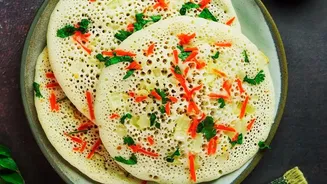
The good news for Indian households is that you don't need to look for expensive, exotic products to get your probiotic fix. Our traditional cuisine is brimming with delicious fermented options. Dahi (curd) is perhaps the most common and powerful probiotic food, a staple in countless homes that aids digestion and cools the stomach. The batter for breakfast favourites like idli and dosa is fermented for hours, a process that not only creates their signature light texture but also makes them easier to digest and enhances nutrient absorption. Other regional gems include dhokla from Gujarat, the tangy North Indian drink Kanji made from black carrots, and Pakhala or Panta Bhat, a fermented rice dish popular in Eastern India. Even traditional pickles (achaar), when naturally fermented, can be a source of beneficial bacteria.
More Than Just Probiotics
The benefits of fermentation go beyond just introducing good bacteria. The process can also make nutrients in food more accessible to our bodies. For instance, fermentation breaks down anti-nutritional factors found in grains and legumes, making it easier for our bodies to absorb minerals like iron. In dairy products like dahi or chaas (buttermilk), fermentation reduces the lactose content, which can make them more digestible for individuals with lactose intolerance. The process also creates various beneficial compounds, including B vitamins and digestive enzymes, enhancing the overall nutritional value of the food.
How to Get Started
Incorporating more fermented foods into your diet is simple and can be done gradually. Start with what's familiar and accessible. A small bowl of fresh, homemade dahi with your lunch, or a glass of chaas post-meal, is an excellent beginning. Opt for idli or dosa for breakfast a few times a week. When buying commercially, check the labels. For products like yogurt or pickles, look for terms like 'live and active cultures' and try to choose options that are not loaded with sugar or preservatives, which can negate the benefits. The key is consistency; small, regular additions can have a greater impact than occasional large servings.