



Myth: 'High Protein' Always Means Healthy
Seeing "high protein" on a package can create a 'health halo,' making us think the product is automatically good for us. However, a product that meets the criteria for a 'high protein' claim—which generally means it provides 20% or more of the daily value
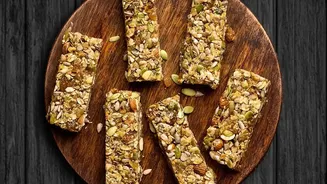
for protein per serving—can also be loaded with sugar, unhealthy fats, and sodium. Many protein bars, cookies, and cereals are essentially ultra-processed desserts with added protein isolates. While the protein content is boosted, the overall nutritional value may be low. Always flip the package over and check the full ingredients list and nutrition panel, not just the flashy claim on the front.
Myth: All Protein Is Created Equal
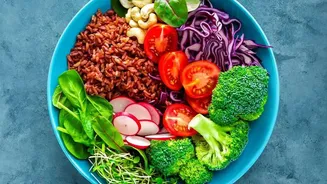
The number of grams on the label doesn't tell the whole story. Protein quality matters. Proteins are made of amino acids, nine of which are 'essential' because our bodies can't make them. 'Complete' proteins, found in animal products like meat, eggs, and dairy, contain all nine essential amino acids. Most plant-based proteins, like those from legumes and grains, are 'incomplete,' meaning they are low in one or more essential amino acids. This doesn't make plant protein inferior, but it means variety is key. By eating a wide range of plant foods—like pairing rice with beans—vegetarians and vegans can get all the essential amino acids their bodies need throughout the day.
Myth: The Grams on the Front Are All You Need to Know
The bold number on the front of the pack is a starting point, not the final word. The number represents the total protein by weight, not how much your body can actually use. Digestibility and amino acid profile affect how much benefit you truly get. Furthermore, some marketing can be tricky. For instance, a cereal might boast about its protein content, but a closer look reveals that a significant portion of that protein comes from the milk you are expected to add, not the cereal itself. Always check the serving size and the 'per serving' information on the Nutrition Facts panel to understand what you're actually consuming.
Myth: More Protein Is Always Better
While protein is vital for functions like muscle repair, there's a limit to how much your body needs or can use effectively. Most adults already get enough protein to meet their basic needs. The general recommendation is about 0.8 grams of protein per kilogram of body weight for a healthy adult, though this can increase for athletes or older adults. Consuming excessive protein doesn't mean you'll build more muscle. Your body can't store extra protein for later; it converts the excess into glucose for energy or stores it as fat. This can lead to unnecessary calorie intake and potential weight gain over time.
Myth: 'Protein-Enriched' Means It’s a Great Source
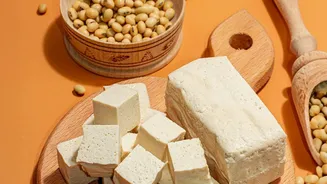
Terms like "protein-enriched," "protein-fortified," or "added protein" sound impressive, but they can be legally vague and misleading. These phrases often mean that protein has been added to a food that doesn't naturally contain much, like chips, sodas, or candy. The amount added might be small and not make a significant contribution to your daily needs. Instead of falling for these buzzwords, look for official claims like "good source of protein" (10-19% of the Daily Value) or "high/excellent source of protein" (20% or more of the Daily Value). Better yet, prioritise whole foods that are naturally rich in protein, such as lentils, chickpeas, tofu, eggs, Greek yogurt, and lean meats.