





Bangalore to Coorg: Coffee Country Calling
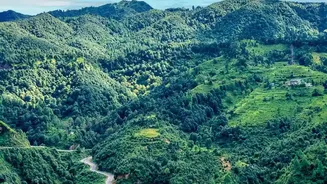
The drive from Bangalore to Coorg is a perennial favourite, but it's after the monsoon that it truly comes alive. The roughly 265-kilometre journey takes you from the bustling city into the heart of the Western Ghats, a region now painted in countless
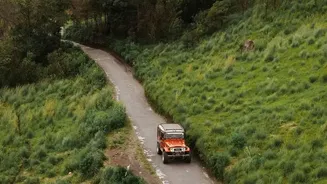
shades of green. The roads are flanked by overflowing streams, rejuvenated forests, and misty hills. This route is famous for its winding roads that cut through coffee plantations, which are at their most aromatic and lush during the September to February period. Key sights like Abbey Falls are at their most powerful, cascading with post-monsoon vigour. While the main highway is generally in good condition, some of the smaller roads leading to viewpoints can be winding, so a steady pace is advised. The route, dotted with stops like the Tibetan settlement in Bylakuppe and its Golden Temple, makes for an ideal long weekend escape. The journey of five to six hours is a visual treat, showcasing the 'Scotland of India' at its best.
Mumbai to Goa: The Classic Coastal Route
The road trip from Mumbai to Goa is iconic, but the post-monsoon season offers a unique charm. The roughly 600-kilometre drive can be taken via two main routes. The NH 48 route via Pune and Kolhapur is a smoother, multi-lane highway known for its safety and views of the verdant Sahyadri mountains, complete with waterfalls and tunnels. This is the faster option, but the real magic lies on the slightly more challenging NH 66, the coastal highway. This route threads through the Konkan coast, offering dramatic sea views, dense foliage, and a more intimate glimpse of coastal life. While this road can be narrower and requires more careful driving, the rewards are immense. The landscape is exceptionally green, and the air is free from the summer's haze. You'll pass through charming towns like Chiplun and Sawantwadi, perfect for a seafood halt. The Amboli Ghat section, in particular, is a highlight, with dense fog and numerous waterfalls creating a mystical atmosphere.
Chennai to Pondicherry: Along the East Coast Road
For a shorter but equally stunning journey, the drive from Chennai to Pondicherry along the East Coast Road (ECR) is hard to beat. Spanning about 150 kilometres, this road trip hugs the Bay of Bengal, offering sea views, cool breezes, and a series of interesting stops. After the rains, the casuarina groves are lush and the roadside is green. The post-monsoon period, from October to February, is considered the best time for this drive, as the weather is pleasant and the risk of heavy rain has subsided. The journey can be comfortably completed in about three to four hours, but it's best enjoyed slowly. Key detours include the UNESCO World Heritage site of Mahabalipuram, with its ancient shore temples, and the Alamparai Fort ruins. The road itself is well-maintained for the most part, making it a safe and enjoyable drive that culminates in the charming French-colonial architecture of Pondicherry.
Udaipur to Mount Abu: Aravallis in Bloom
While Rajasthan is often pictured as an arid desert, the monsoon transforms its Aravalli Range into a green paradise. The drive from Udaipur, the 'City of Lakes', to Mount Abu, the state's only hill station, is particularly scenic from September onwards. The roads are in good condition and wind through hills that are suddenly lush and often shrouded in mist. Along the way, you can visit the magnificent Kumbhalgarh Fort, whose massive walls look even more formidable against the dramatic post-monsoon sky, and the intricately carved Ranakpur Jain Temple. The journey showcases a side of Rajasthan many travellers miss—freshly filled lakes reflecting cloudy skies, green landscapes, and cooler temperatures. It’s a route that combines heritage with surprising natural beauty, offering a serene and less crowded experience than during the peak winter tourist season.