





The Daily Grind: When Time is Money
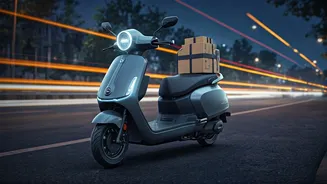
For a delivery partner or a ride-hailing driver, every minute spent offline is a minute of lost income. Their earnings are directly tied to the number of trips or deliveries they complete. The switch to electric vehicles, particularly two- and three-wheelers,
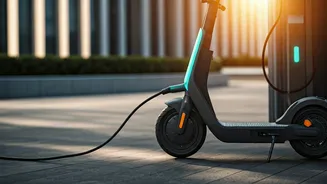
was sold on the promise of significant savings on fuel, with some drivers saving up to ₹4,000 a month. A 2023 survey found that over 75% of delivery workers had already switched to EVs, driven by these potential savings. However, this financial benefit is quickly eroded by the reality of India's charging infrastructure. A significant challenge identified by 40.6% of EV-using gig workers is the difficulty in finding a charging spot. This isn't just an inconvenience; it's a direct hit to their livelihood. Long waits at charging stations, searching for a functional charger, and slow charging speeds translate into fewer completed jobs and a smaller paycheque at the end of the day.
An Infrastructure Gap That Hits the Poorest Hardest
India has made strides in expanding its public EV charging network, growing to over 29,000 stations by early 2026. Yet, this number is a drop in the ocean compared to what's needed. The current ratio is approximately one charger for every 235 EVs, far from the global benchmark of one per 6 to 20 vehicles. Furthermore, the problem isn't just about the number of stations but their reliability and distribution. A significant share of installed chargers are non-functional, with some networks reporting non-operational rates as high as 60%. Most chargers are slow AC units, unsuitable for the quick turnarounds required by commercial drivers. While highways between major metros are seeing improvements, charging availability in Tier-2 and Tier-3 cities and even within residential areas remains a major hurdle. For gig workers who often lack access to reliable home charging, this public network is their only option, and its failings directly impact their ability to work.
The Responsibility of Platforms and Policymakers
Gig workers are shouldering the operational risks of an incomplete EV transition, while aggregator platforms like Ola, Uber, Zomato, and Swiggy reap the benefits of a greener fleet. These companies have made ambitious pledges to transition their fleets to 100% electric. However, their support for the individual drivers making this transition possible has been inconsistent. Early pilot programs have seen drivers frustrated with long charging delays and high operating costs. While some platforms offer rentals or incentives, the fundamental model treats drivers as independent contractors, placing the burden of vehicle ownership, maintenance, and now, charging, squarely on them. This is where a shift in responsibility is needed. Platforms and policymakers must collaborate to create a more supportive ecosystem. This isn't just about corporate social responsibility; it's about the sustainability of the gig economy itself.
Building a Fairer System: From Stress to Success
Solving the charging crisis for gig workers requires a multi-pronged approach. One of the most promising solutions gaining traction is battery swapping. This model allows a driver to exchange a depleted battery for a fully charged one in minutes, eliminating lengthy charging times. With nearly 100 battery-swapping firms now operating in India, this technology is a lifeline for time-crunched commercial drivers. Government policy has recognized its potential, but progress is needed on standardizing batteries to allow for interoperability between different networks. Aggregator platforms can play a huge role by integrating battery-swapping station locations into their driver apps and providing subsidies. Other solutions include developing dedicated charging hubs for commercial fleets, offering low-interest loans for EV purchases, and ensuring subsidies are easily accessible to drivers. A long-term policy framework that provides certainty for both drivers and investors is crucial to ensure the EV transition is both ambitious and fair.