





A Strategic Shift in Indian Tourism
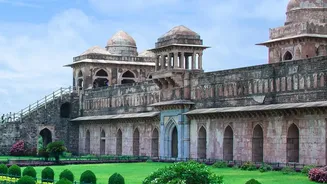
For decades, Indian tourism often meant a predictable checklist of forts, palaces, and major cities. But now, a deliberate pivot is underway, championed by the Ministry of Tourism. The new focus is on experiential and sustainable travel, aiming to showcase
the subcontinent's incredible diversity in a more meaningful way. Initiatives like the 'Dekho Apna Desh' campaign encourage domestic travel, while schemes such as 'Swadesh Darshan' are actively developing theme-based tourist circuits, including rural, eco, and heritage trails. This strategy isn't just about adding new dots on the map; it's about creating deeper connections, spreading economic benefits to new communities, and offering travellers a richer, more immersive experience. The push is towards responsible tourism that preserves local culture and ecosystems for future generations.
The Satpura Model: More Than a Tiger Trail
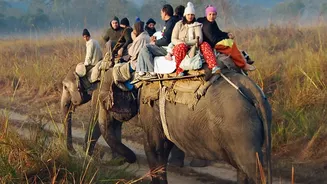
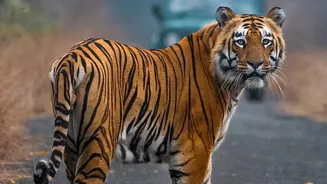
Nowhere is this shift more evident than in Madhya Pradesh’s Satpura Tiger Reserve. While home to the Bengal tiger, Satpura is being promoted as a complete wilderness destination, not just a place for a single-species chase. What makes it a blueprint for modern wildlife tourism is the variety of low-impact activities it offers. It's one of the few reserves in India where visitors can embark on guided walking safaris, allowing for an intimate connection with the forest floor. You can also explore its serene landscape via canoe or boat on the Denwa River, offering a different perspective for spotting crocodiles and rich birdlife. With fewer crowds and an emphasis on the entire ecosystem—from the Indian giant squirrel to the sloth bear—Satpura encourages a slower, more mindful approach to wildlife, where the forest itself is the main attraction.
The Rise of Rural and Thematic Circuits
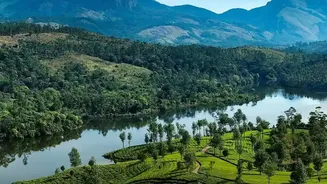
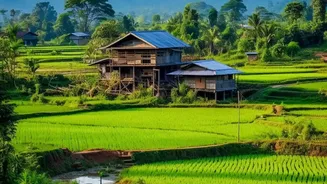
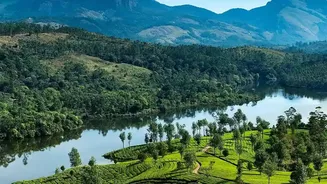
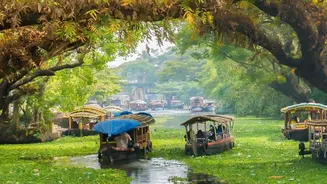
The concept of 'circuits' is central to this new tourism chapter. Instead of isolated destinations, the government is promoting curated routes that connect multiple experiences. The 'Rural Circuit' theme, under the Swadesh Darshan scheme, aims to showcase India's soul by developing tourism in villages and non-urban areas. This could mean exploring the Gandhian trail in Bihar or experiencing the Malanad Malabar Cruise Tourism project in Kerala. Beyond the official 'Rural Circuit', states are curating their own thematic trails. Rajasthan is promoting new desert destinations like Sambhar and Nagaur, while Jammu and Kashmir has identified 75 offbeat locations to disperse tourism beyond its traditional hubs. These initiatives offer travellers a chance to engage with local communities, artisans, and cuisines, transforming a holiday into a cultural exchange.
Why Authenticity and Sustainability Matter Now
This evolution isn't happening in a vacuum. It's driven by a growing global demand for authentic and responsible travel. Modern travellers, especially in a post-pandemic world, are increasingly seeking meaningful connections over mass-market tourism. Surveys from 2026 show a huge majority of Indian travellers now consider sustainability when making choices and want to leave destinations better than they found them. The government's 'Travel for LiFE' (Lifestyle for Environment) program directly addresses this by promoting behavioural change among tourists and businesses. By developing lesser-known destinations and rural circuits, India is not only catering to this conscious traveller but also ensuring that the economic benefits of tourism are more equitably distributed, creating livelihoods and empowering local communities.