



Meet Galangal: The Aromatic Relative
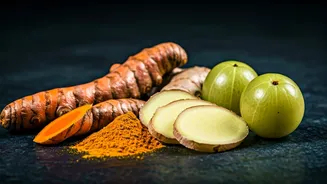
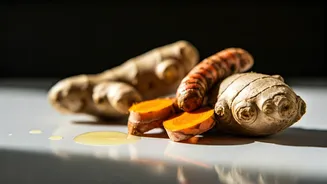
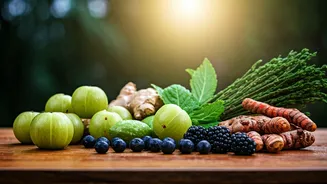
The mysterious cousin in question is galangal. A member of the same Zingiberaceae family as ginger and turmeric, galangal is a rhizome that has been a staple in Southeast Asian cuisines for centuries. Often called 'Thai ginger' or 'Siamese ginger', it
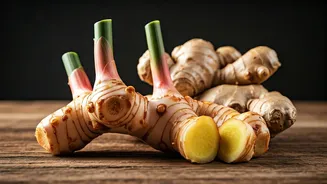
shares a similar knobby appearance to its famous relative, but that's where the most obvious similarities end. Visually, galangal typically has smoother, paler skin that can range from light tan to having pinkish hues, and its flesh is significantly harder and denser than ginger's.
Not Just Another Ginger
The biggest mistake a home cook can make is thinking galangal and ginger are interchangeable. While they are related, their flavour profiles are worlds apart. Ginger is known for its pungent, spicy warmth and sweet undertones. Galangal, on the other hand, boasts a much sharper, more complex flavour. It has a distinctive citrusy, almost pine-like taste with peppery notes. Its aroma is often described as medicinal or woodsy in a refreshing way. This unique taste is why it’s an irreplaceable ingredient in famous Thai dishes like tom yum soup and tom kha gai, where it provides a signature zesty kick that ginger simply can't replicate.
A Storied Past in Cuisine and Medicine
Galangal has a rich history, particularly in Indonesian, Thai, and Malaysian cooking, but its influence extends to traditional medicine as well. For centuries, it has been a key component in Ayurvedic and traditional Chinese medicine. In Ayurveda, galangal is considered a 'warming' herb that can stimulate 'Agni' or the digestive fire, helping to improve digestion and circulation. It has been traditionally used to remedy a wide range of issues, from soothing stomach discomfort and nausea to alleviating symptoms of the common cold.
Potential Health Perks
Modern science is beginning to support some of the traditional uses of galangal. The root is a rich source of antioxidants, particularly polyphenols, which help protect the body's cells from damage caused by free radicals. These compounds have been linked to various health benefits. Some studies suggest that galangal possesses anti-inflammatory properties that can help reduce pain and swelling, similar to ginger. It is also being researched for its antimicrobial effects and its potential to support digestive health by easing issues like bloating and indigestion. While more research is needed, galangal’s profile as a beneficial plant compound is promising.
Bringing Galangal into Your Kitchen
Ready to give this spice a try? Finding fresh galangal might require a trip to an Asian market or a specialty grocer, though dried slices and ground powder are more widely available online and in larger supermarkets. When using fresh galangal, remember its fibrous, woody texture. It's much harder than ginger, so grating isn't always easy. Instead, it's best to peel it and then thinly slice or mince it with a sharp knife. The slices are perfect for infusing soups and broths—just be sure to remove them before serving, as they are too tough to eat. For curry pastes, pounding it in a mortar and pestle releases its full aromatic potential. Fresh galangal can be stored in the freezer for several weeks, ensuring you always have some on hand to add that authentic, zesty flavour to your dishes.