


More Than Just Illumination
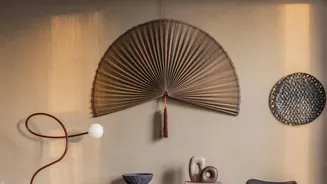
For years, interior design has viewed lighting as a practical necessity. Today, that perception has shifted dramatically. A lampshade is no longer just a cover for a bulb; it's an opportunity to introduce form, texture, and personality into a space. A sculptural
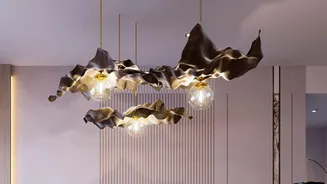
shade acts as a focal point, much like a painting or a piece of furniture. Whether switched on or off, it commands attention, anchoring a room and adding a layer of architectural interest that can redefine a home's entire aesthetic. This trend is about making bold, deliberate choices that transform a simple light source into a conversation-starting work of art.
Finding Your Perfect Material
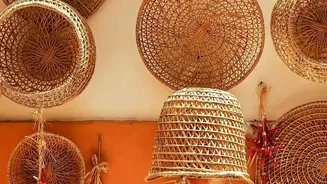
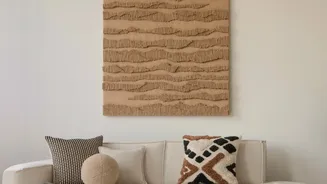
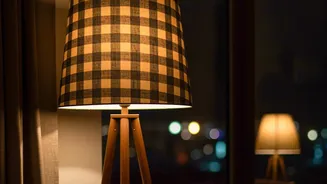
The material of a lampshade dictates its mood and how it diffuses light. Fabric remains a popular choice, with linen and cotton offering a soft, warm glow perfect for creating a cosy atmosphere. For a more natural, bohemian feel, materials like rattan, bamboo, and woven grasses are trending, casting intricate patterns of light and shadow. On the contemporary end, metal, ceramic, and even hand-beaten brass offer a sleek, industrial or artisanal touch. Paper and silk shades, especially in large, organic forms, can provide an ethereal, floating quality that feels both modern and timeless. The key is to choose a texture that complements your existing decor while adding a new layer of visual interest.
Getting the Scale and Proportions Right
When choosing a statement lampshade, size is everything. The trend leans towards oversized or exaggerated proportions to create a sense of drama and intent. A common design rule is that the shade's width should be roughly double that of the lamp base's widest point, and its height should be about two-thirds of the base's height. This ensures the final look is balanced rather than accidental. Don't be afraid to go large, even in a smaller room. A single, large-scale fixture can paradoxically make a space feel grander and more expansive by drawing the eye upward and filling the ceiling area, which is often sparse.
Playing with Shape and Form
The silhouette of your lampshade is crucial. Classic drum shades offer clean, modern lines suitable for many decor styles. Empire shades, which are wider at the bottom, provide a more traditional feel. But the real fun begins with more unconventional shapes. Look for organic, biophilic forms inspired by nature—like mushrooms, leaves, or cocoons—which are gaining popularity in Indian homes. Geometric and abstract shapes, on the other hand, can add an architectural or avant-garde edge. The shape should ideally complement the lamp base; a round base often pairs well with a round shade, while an angular base looks great with a square or geometric one.
How to Style Your Statement Piece
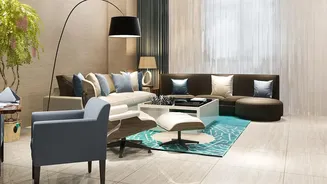
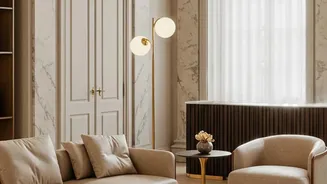
Once you've chosen your sculptural shade, placement is key to maximizing its impact. An oversized pendant can serve as a stunning centrepiece over a dining table or in a double-height living room. A large floor lamp can anchor a reading nook or a lonely corner, giving it purpose and style. When introducing such a strong visual element, it's often best to keep the surrounding decor relatively simple to let the lampshade be the star. However, don't be afraid to mix styles. Pairing a modern, sculptural lamp with vintage furniture can create a dynamic and eclectic look that feels curated and personal. The goal is to create a visual narrative where the lampshade is a key character.