





What Exactly Is a Terrace Forest?
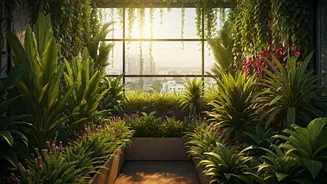
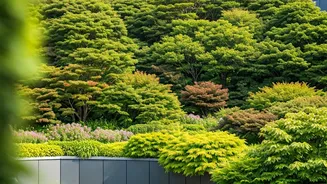
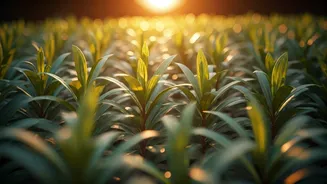
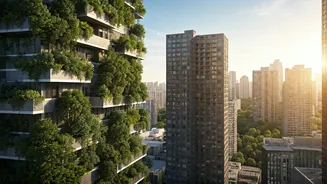
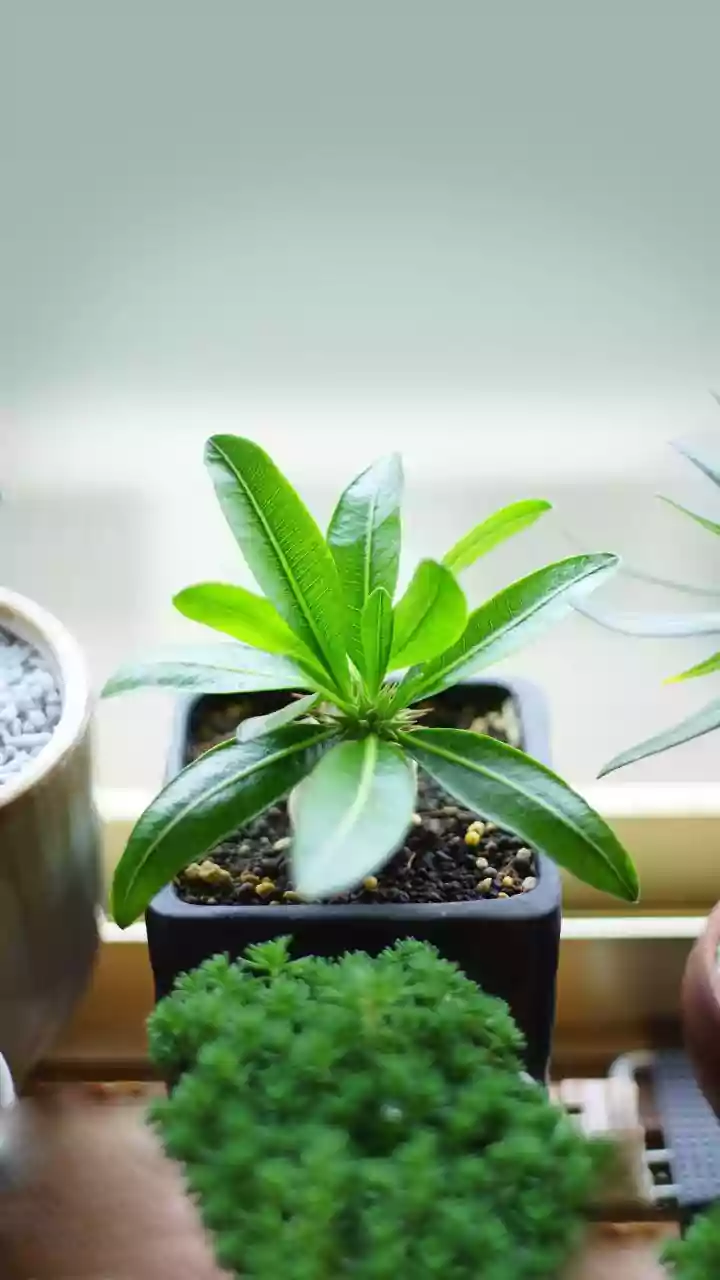
A terrace forest is far more than a few potted plants on a balcony. It’s a dense, multi-layered ecosystem of native plants grown on a rooftop, designed to mimic a natural forest on a smaller scale. This innovative approach often uses the Miyawaki method,
a technique developed by Japanese botanist Akira Miyawaki. This method involves planting two to four native trees per square metre, creating a dense environment where plants compete for sunlight and grow upwards much faster than in traditional plantations. The result is a self-sustaining mini-forest that can mature in just a few years, complete with shrubs, trees, and canopies. These aren't just gardens; they are intentional, biodiverse habitats created to restore a patch of nature amidst the urban sprawl. Enthusiasts across Indian cities like Bengaluru, Delhi, and Hyderabad are transforming their terraces into lush canopies growing fruits, vegetables, and a variety of native flora.
Turning Down the Urban Thermostat
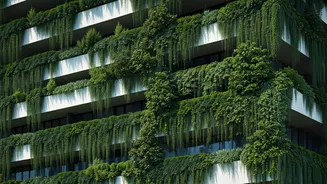
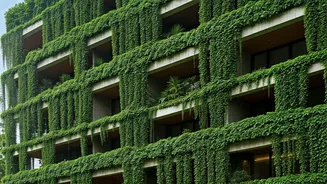
One of the most significant benefits of terrace forests is their ability to cool down their surroundings. Cities often suffer from the "urban heat island" effect, where materials like concrete and asphalt absorb and retain far more heat than natural landscapes, making urban areas significantly hotter than their rural counterparts. Rooftop gardens and forests directly combat this. Through a process called evapotranspiration, plants release water vapour, which cools the surrounding air. The vegetation also provides shade, preventing rooftops from absorbing and radiating heat. Research shows that green roofs can have surface temperatures up to 31°C lower than conventional roofs and can reduce nearby air temperatures significantly. One Bengaluru engineer who converted his terrace into a mini-rainforest reports a local temperature drop of 3 to 4 degrees Celsius. By turning hot, barren surfaces into cool, green oases, terrace forests can reduce a building's need for air conditioning, saving energy and lowering greenhouse gas emissions.
A Boost for Urban Biodiversity
Beyond cooling, terrace forests are vital for making cities greener by reintroducing biodiversity. Urbanisation often leads to habitat fragmentation and the loss of native species. Even small patches of dense greenery can provide a crucial sanctuary for wildlife. These rooftop ecosystems attract birds, bees, butterflies, and other insects, which are essential for pollination. One 23-year-old in Delhi turned his terrace into a jungle that now attracts over 200 bird species and 25 butterfly species. By choosing native plants, these forests provide food and shelter for local fauna, helping to create ecological corridors that support a variety of species within the fragmented urban landscape. This enhanced biodiversity not only enriches city life but also contributes to essential ecological processes like air filtration and natural pest control.
Practical Considerations and Challenges
Creating a forest on a roof is an ambitious project that requires careful planning. The most critical factor is the building's structural integrity. Rooftops, especially on older buildings, may not be designed to support the substantial weight of saturated soil, plants, and trees. A structural engineering assessment is essential before starting. Proper waterproofing and drainage systems are also non-negotiable to prevent leaks and structural damage. Access is another logistical challenge; moving soil, plants, and other materials to the roof can be difficult and may even require a crane. Finally, while Miyawaki forests are designed to be self-sustaining once established, they require significant initial effort and ongoing maintenance, including watering (ideally from a harvested rainwater source) and occasional weeding.