



Setting Up for Success
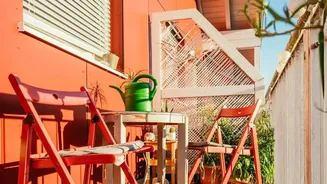
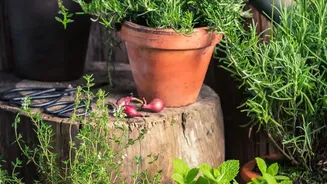
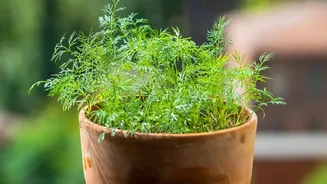
The foundation of a great balcony garden starts with three key elements: pots, soil, and sun. Choose terracotta or clay pots that are at least 6-8 inches deep, as they allow soil to breathe and prevent waterlogging. Good drainage is crucial, so ensure
every pot has holes at the bottom. For soil, use a well-draining potting mix. You can buy a pre-made mix or create your own by blending garden soil, compost, and a bit of sand or cocopeat to keep it light and airy. Before you buy your plants, observe your balcony. Most herbs thrive with at least four to six hours of sunlight. An east-facing balcony with gentle morning sun is often ideal, but a south or west-facing spot also works well for sun-loving herbs.
All About Basil
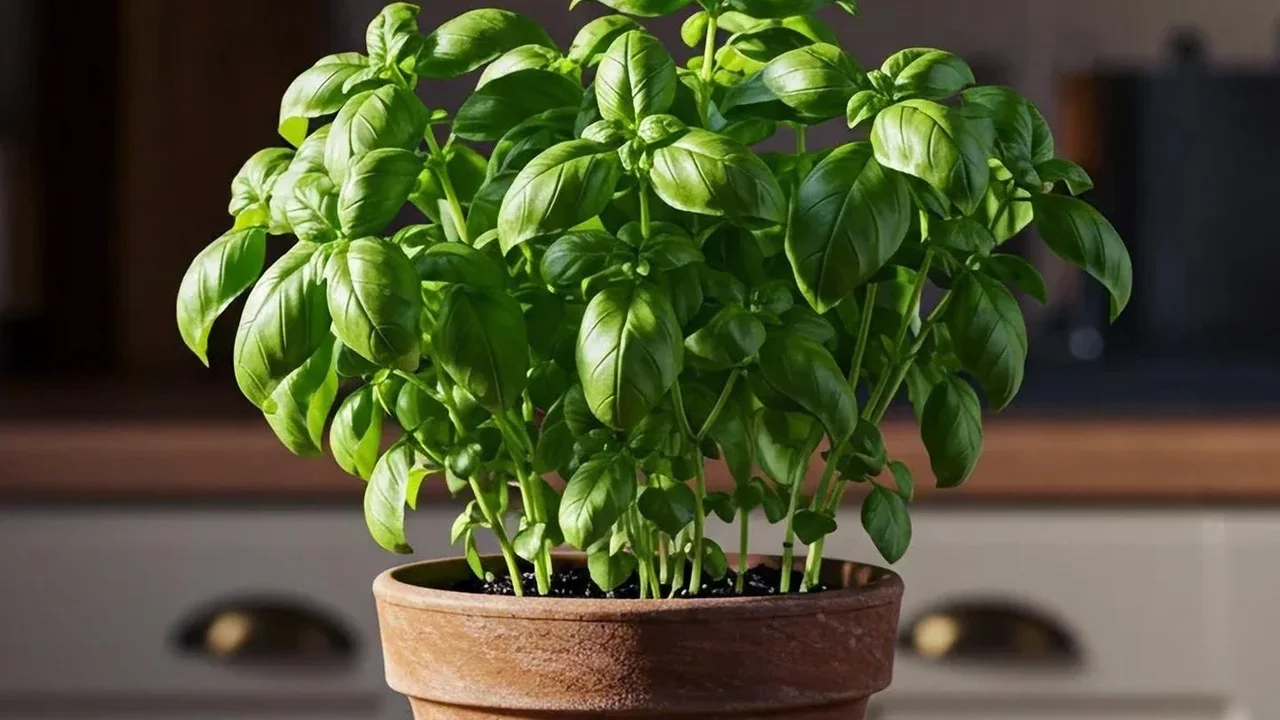
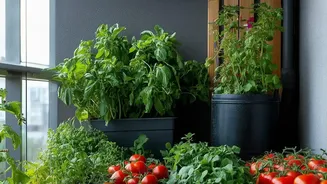
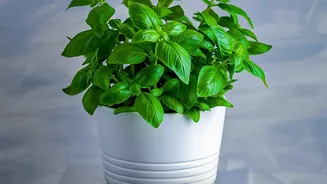
Basil is a sun-worshipper that delivers incredible flavour. It needs at least six hours of sunlight to produce its signature aromatic leaves. Keep the soil consistently moist but never soggy; water when the top inch of soil feels dry. The most important trick for a lush basil plant is regular pruning. Once the plant is about six inches tall, start pinching or cutting the top set of leaves off a stem, right above a point where two leaves branch out. This encourages the plant to grow bushier instead of tall and lanky. Regularly removing the tops also prevents the plant from flowering, which can make the leaves taste bitter. With this simple technique, you can have a steady supply all season long.
Mastering Mint (Pudina)
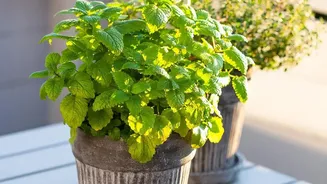
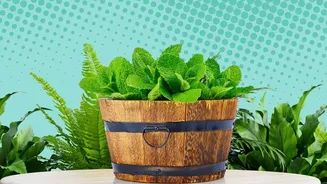
Mint, or pudina, is wonderfully easy to grow, but it has a reputation for a reason: it's an aggressive spreader. To prevent it from taking over your other pots, always plant mint in its own container. Unlike basil, mint is more tolerant of partial shade and prefers its soil to be consistently moist. It’s a thirsty plant, so check it daily, especially during hot weather. Just like basil, mint benefits from regular harvesting. Snip the stems just above a leaf node to encourage fuller growth. Don’t be shy about cutting what you need for chutneys, raitas, or fresh teas; the more you harvest, the more the plant will produce. A single mint plant can provide more than enough for a family kitchen.
Cultivating Curry Leaves (Kadi Patta)
A fresh sprig of kadi patta can elevate any Indian dish, and growing it is immensely rewarding. The curry leaf plant is a small tropical tree that loves warmth and sun, so give it the sunniest spot on your balcony. It requires at least six to eight hours of direct sunlight daily to truly thrive. Use a larger, deeper pot to accommodate its root system and ensure the soil is well-draining. Water moderately, allowing the top layer of soil to dry out between waterings, as it dislikes constantly wet roots which can lead to root rot. For bushier growth, prune the tips of the branches regularly. Don't worry if it loses some leaves during cooler months; this is a normal resting period for the plant.
Care and Harvest Guide
The best time to harvest your herbs is in the morning, after the dew has dried but before the intense afternoon sun hits. This is when the essential oils in the leaves are most concentrated, giving you the best flavour and aroma. For basil and mint, never harvest more than one-third of the plant at a time to ensure it has enough foliage to recover and keep growing. Watch out for common pests like aphids and spider mites, which can sometimes appear. These can often be managed by spraying the leaves with a simple solution of dish soap and water or by using neem oil. Keeping your plants healthy with the right amount of sun and water is the best defence against pests and diseases.