



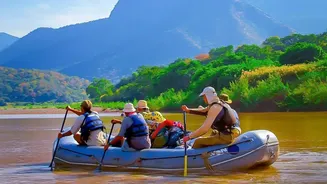
The Land of Waterfalls Awakens
Until recently, Parvathipuram Manyam was a region known more for its rugged, inaccessible terrain than as a tourist destination. Carved out of Vizianagaram district, this area is defined by dense forests, rolling hills, and a significant tribal population.
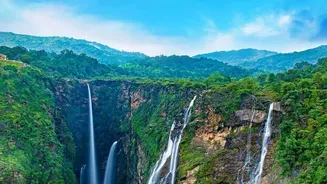
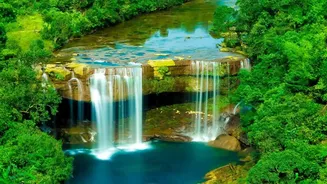
However, the district administration is now rebranding the region as the “Home of Waterfalls,” aiming to put its stunning natural wealth on the map. An ambitious plan is underway to develop over a dozen waterfalls, including Lodda, Thadikonda, and Neelamvalasa, which were previously hard to reach. By improving access and basic infrastructure, the goal is to transform these hidden gems into magnets for travellers from across Andhra Pradesh, Odisha, and beyond.
Adventure with a Purpose
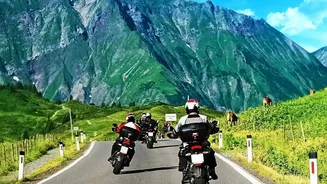
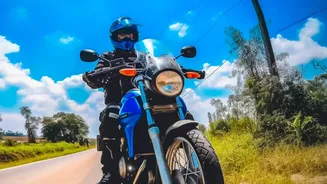
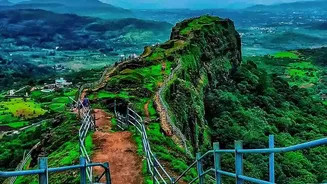
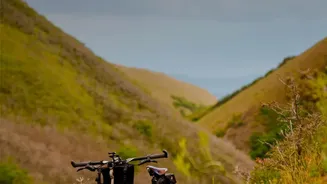
The new tourism model goes beyond just sightseeing. The district is actively promoting a range of adventure activities to attract thrill-seekers. Plans are being drawn up for rock climbing, and new trekking routes are being identified and developed, with local tribal youth being trained as professional guides. One of the most innovative plans is the introduction of 'bike tourism,' creating curated 30-km circuits that allow motorcyclists to explore forests, viewpoints, and waterfalls. This builds on the success of a tribal bike taxi service, where local youth ferry tourists to remote waterfalls, providing both a unique experience for visitors and employment for the community.
Community at the Core
What makes the Manyam initiative stand out is its emphasis on community-led development. Under the central government's 'Adi Karma Yogi' initiative, local Adivasi communities have been at the forefront of developing these tourist sites. Instead of waiting for large government funds, villagers have taken the lead in clearing paths, building bamboo bridges, and even creating new attractions like a children's pool near Mettuguda Waterfall. This grassroots approach not only makes development more cost-effective but also ensures that the local communities have a direct stake in the project’s success. The administration supports these efforts by providing permissions and adding amenities where needed, creating a powerful partnership model.
Showcasing Rich Tribal Heritage
The project is carefully designed to ensure that tourism also serves to preserve and promote the region's unique tribal heritage. The Integrated Tribal Development Agency (ITDA) is a key player, and a tribal museum is being established in Seethampet to showcase the culture, art, and traditions of communities like the Konda Reddy, Porja, and Gadaba. This is complemented by developing pilgrimage centres like the Kashi Vishweshwara Temple and the Thotapalli Kalyana Venkateswara Swamy Temple. By weaving cultural and spiritual sites into the tourism circuits, the initiative aims to offer a holistic experience that goes beyond natural beauty, giving visitors a deeper appreciation for the region's history and people.
Sustainable Growth and a Digital Push
Recognizing the risks of over-tourism, the administration is focused on a sustainable, eco-friendly model. Campaigns to create plastic-free zones are being launched to protect the pristine environment. Safety is another priority, with local guides receiving first aid training and infrastructure like railings and rope supports being installed at waterfalls. To make the region more accessible to modern travellers, authorities are developing a dedicated website for booking accommodation and meals in advance. QR code boards are also being installed at key locations to provide visitors with instant information, blending modern technology with raw, natural adventure. This thoughtful approach aims to generate revenue and create local jobs without compromising the natural and cultural assets that make Manyam special.