



In the modern Indian kitchen, ancient staples and global superfoods sit side-by-side. The debate between traditional lentils (dal) and trendy quinoa is a common one. Let's break down how they stack up in terms of nutrition, cost, and practicality.
The Nutritional Showdown
Both
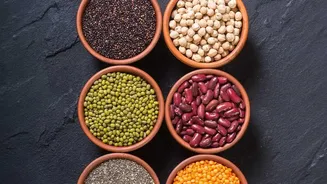
lentils and quinoa are nutritional powerhouses, but they serve different purposes. Quinoa's main claim to fame is being a 'complete protein', meaning it contains all nine essential amino acids, which is rare for a plant-based food. A cooked cup provides about 8 grams of protein and 5 grams of fibre. Lentils, on the other hand, are the undisputed champions of protein and fibre content. A single cooked cup packs a massive 18 grams of protein and 16 grams of fibre, making you feel fuller for longer. Lentils are also significantly richer in folate, iron, and potassium. While quinoa is higher in minerals like magnesium and manganese, lentils offer more protein and fibre for a similar calorie count.
A Look at Your Wallet
This is where the difference becomes stark. Lentils, a staple in Indian households for generations, are incredibly budget-friendly. Depending on the variety—be it masoor, toor, or moong dal—prices generally range from about ₹70 to ₹120 per kilogram. These prices can vary based on region and whether they are organic, but they remain one of the most affordable sources of protein available. Quinoa, being a relatively new entrant and often marketed as a 'health food', comes with a much higher price tag. While prices have come down as local cultivation increases, you can still expect to pay anywhere from ₹200 to over ₹400 per kilogram for good quality quinoa in retail markets. From a purely cost-based perspective, lentils are the clear and significant winner.
Kitchen Practicality: Cooking and Prep
Both are relatively easy to cook, but there are minor differences. Quinoa cooks quickly, typically in about 15-20 minutes. It's crucial to rinse quinoa thoroughly before cooking to remove saponins, a natural coating that can give it a bitter or soapy taste. Once cooked, it has a light, fluffy texture with a slight 'pop'. Lentils' cooking time varies by type. Split red lentils (masoor dal) can cook in 15-20 minutes, while whole lentils or other varieties like chana dal may require longer cooking or soaking. Many recipes, especially for whole lentils, benefit from soaking to reduce cooking time and improve digestibility. For a quick meal, both are excellent options, with quinoa and split lentils being the fastest to get on the table.
Versatility in the Indian Kitchen
Lentils are the heart and soul of Indian cuisine. They are the base for countless dal preparations, sambar, khichdi, and even snacks. Their ability to break down and create a creamy, hearty base is unmatched, making them integral to daily meals across the country. Quinoa is more of a versatile substitute. Its mild, nutty flavour allows it to absorb Indian spices well, making it a great, healthier replacement for rice in dishes like pulao, lemon rice, and upma. It also works wonderfully in salads, patties, and breakfast bowls where you want a distinct grain texture rather than a creamy consistency. While you can make a quinoa 'khichdi', it won't have the same comforting, creamy texture as a traditional dal khichdi.