


The Sattvic North: Grains, Salt, and Strict Discipline
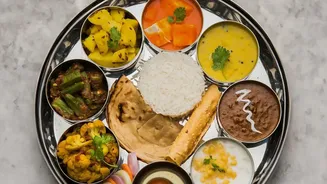
In North India, Navratri fasting is often a strict affair guided by sattvic principles, which emphasize pure, light, and easy-to-digest foods. The core rules involve abstaining from grains like wheat and rice, lentils, onions, and garlic. Regular table
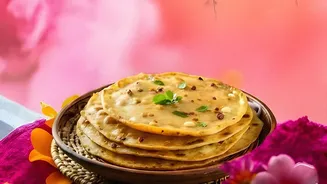
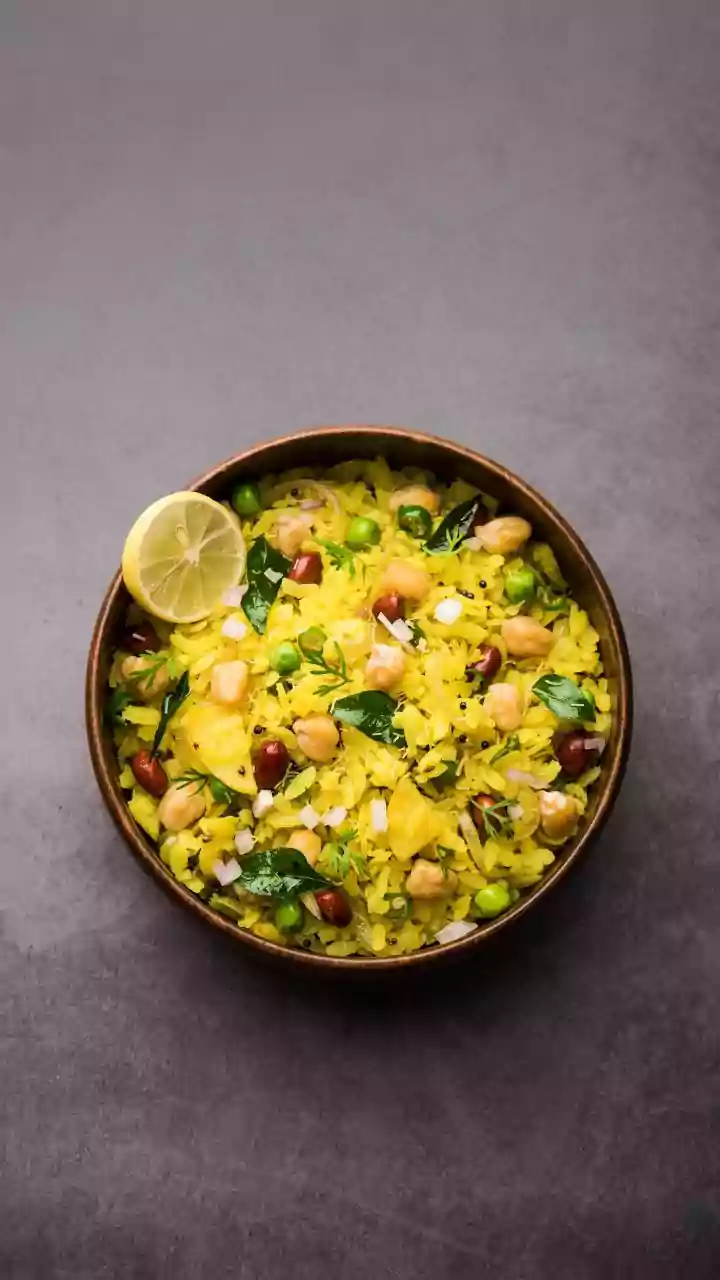
salt is swapped for sendha namak (rock salt). The kitchen pantry undergoes a transformation, making way for alternative flours such as kuttu (buckwheat), singhara (water chestnut), and rajgira (amaranth). From these, a variety of dishes are prepared, including kuttu ki puri, sabudana khichdi, and potato-based curries. The philosophy behind this discipline is not just spiritual but also scientific; the change of seasons during Navratri is a time when immunity can be low, and a lighter diet is believed to help the body cleanse and reset.
The West: A Flavorful Fast in Gujarat and Maharashtra
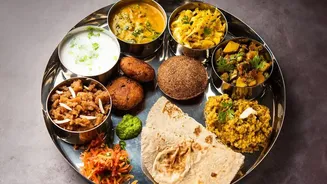
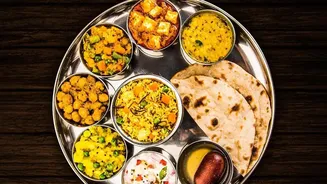
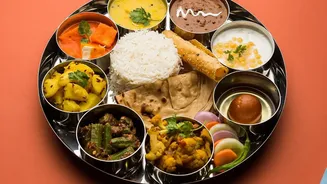
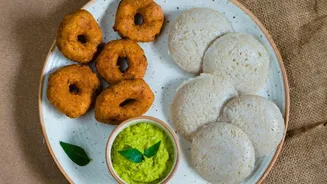
Moving west to Gujarat and Maharashtra, the fasting or 'farali' menu is vibrant and extensive. While the basic rules of avoiding grains and certain vegetables are often followed, the interpretation is generous. In Gujarat, you'll find an array of snacks and meals like farali pattice (potato patties with a coconut filling), sabudana vada, and dishes made from amaranth flour. Maharashtrian households also embrace sabudana, with sabudana khichdi and vada being extremely popular sources of energy for those fasting. The fasting thali in this region is often a platter showcasing culinary creativity, featuring dishes that are both nourishing and delicious, providing fuel for nights of Garba and Dandiya.
The East: A Feast for Durga Puja
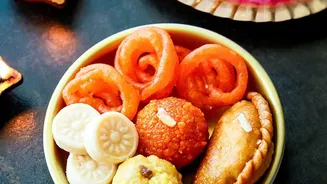
In West Bengal, the period of Navratri coincides with Durga Puja, the state's largest festival, and the approach to food is starkly different. Here, the celebration is less about fasting and more about feasting. From the sixth day (Shashthi), the atmosphere is celebratory, with elaborate food stalls and community meals. A special vegetarian 'bhog' offered to the goddess typically includes khichuri (a rice and lentil dish), labra (a mixed vegetable curry), fried items, and sweets. However, for the general populace, non-vegetarian dishes are widely consumed, with many families preparing special fish and mutton curries, especially on Navami. This highlights a cultural interpretation where the goddess's homecoming is celebrated with abundance and joy, which translates to a grand culinary spread.
The South: Golu Displays and Protein-Rich Sundal
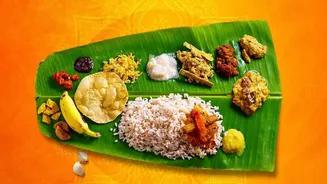
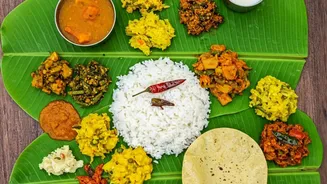
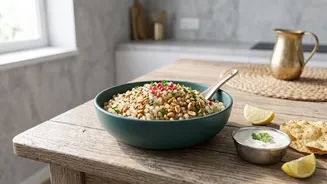
In Southern states like Tamil Nadu, Karnataka, and Andhra Pradesh, Navratri is a time for social gatherings centered around the 'Golu' or 'Bommai Golu'—an elaborate display of dolls. While fasting rules can vary, the culinary star of the festival is 'sundal'. This is a simple, protein-rich snack made from different boiled legumes like chickpeas or peanuts, lightly tempered with spices and coconut. A different variety of sundal is often prepared on each of the nine evenings and offered to guests who come to view the Golu display. Unlike the grain-free fasts of the North, rice-based dishes like coconut rice and sweet pongal are also common offerings, reflecting a tradition where feasting and sharing are central to the festivities.