


Mastering the Monsoon Market Trip
Your fight against food spoilage begins at the vegetable vendor. The humid environment means produce is already under stress, so it pays to be selective. First, adjust your shopping frequency. Instead of buying in bulk for the week, try to purchase smaller
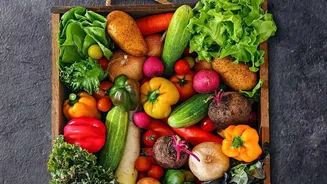
quantities every two to three days. This ensures you’re always working with the freshest possible stock. When selecting vegetables, use your senses. Look for produce that is firm, has a bright, natural colour, and a fresh smell. Avoid anything with cuts, soft spots, visible mould, or a slimy texture, even if it’s offered at a discount. Pay special attention to leafy greens; skip any bunches that are already wilted or discoloured. It's also wise to avoid pre-cut vegetables, as the bruised and damaged tissues respire faster, accelerating decay and nutrient loss.
The Most Important Step: Stay Dry
The number one enemy of fresh vegetables during the monsoon is excess moisture. Bringing damp produce into your home creates the perfect breeding ground for bacteria and mould. Before storing anything, make it a rule to ensure your vegetables are completely dry. If your vegetables are wet from the rain or have been washed, gently pat them dry with a clean cloth or paper towel. While it’s essential to clean produce, many experts suggest washing vegetables only right before you plan to use them. Storing them wet significantly speeds up the rotting process. For leafy greens like spinach or coriander, wrapping them in a paper towel or a clean cotton cloth before storage can absorb any lingering moisture, keeping them crisp for longer.
Smart Refrigerator Storage
Simply tossing vegetables into the fridge isn’t enough, especially when humidity is high. Plastic bags, while convenient for transport, can trap condensation and accelerate spoilage. If you do use them, poke a few holes to allow for air circulation. A better alternative is to use breathable cloth bags or perforated storage containers. Wrapping greens in a paper towel and then placing them in a zip-lock bag or container is an effective way to keep them fresh. Don't overcrowd your refrigerator drawers; good air circulation is vital. Also, be mindful of what you store together. Fruits like apples and tomatoes release ethylene gas, a natural hormone that can cause nearby vegetables to ripen and spoil faster. It's best to keep them separate from ethylene-sensitive produce like leafy greens and carrots.
Know What to Keep Out of the Fridge
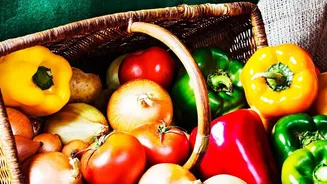
Not all vegetables benefit from being refrigerated. Root vegetables and aromatics like potatoes, onions, and garlic should be stored in a cool, dark, and dry place with good ventilation. Storing them in the refrigerator can negatively affect their flavour and texture. A mesh bag, a basket, or a wooden box works well for this purpose. Be sure to store potatoes and onions separately from each other, as gases from the onions can cause the potatoes to sprout more quickly. Vegetables like bottle gourd (lauki), pumpkin, and other gourds also hold up well outside the fridge for a few days, provided they are in a well-ventilated area away from direct sunlight.
Choosing the Right Monsoon Vegetables
Some vegetables are naturally hardier and better suited for the rainy season. Gourds of all kinds—such as bitter gourd (karela), bottle gourd (lauki), ridge gourd (tori), and Indian squash (tinda)—are excellent monsoon choices. They are not only in season but are also rich in essential nutrients. Okra (bhindi), cucumber, and various beans are also great options that thrive during this time. While it is possible to buy leafy greens, they are highly susceptible to mud, grit, and rapid spoilage, so they require extra care and should be consumed quickly. Root vegetables like carrots and beetroots are generally a safe bet, but ensure their skin is smooth and free of blemishes when you buy them.