







The New Green Wave in Corporate India
The 3 p.m. slump used to be synonymous with a quick dash for a cutting chai or a strong espresso shot. Today, an increasing number of professionals are opting for a different kind of buzz. In the sprawling office parks of Delhi-NCR, Mumbai, and Bengaluru,
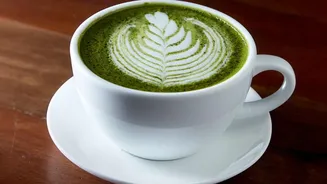
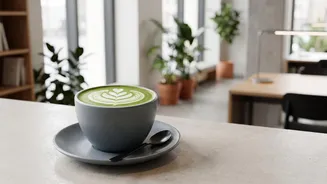
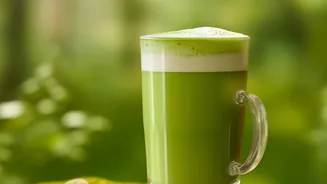
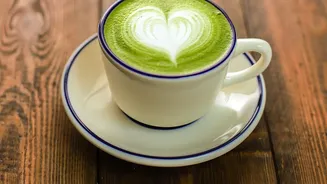
the matcha latte has emerged as the new status symbol of afternoon breaks. Once a niche item found only in specialty wellness cafes, this powdered green tea beverage is now a menu staple at mainstream chains like Starbucks, Blue Tokai, and Third Wave Coffee. Its popularity reflects a broader shift in urban India, where consumers are actively seeking beverages that blend wellness, aesthetics, and a sense of global sophistication. The Indian matcha market, valued at over $100 million in 2024, is growing at nearly double the pace of the traditional tea market, driven by health-conscious millennials and Gen Z.
Calm Energy, Not a Jittery Spike
The primary driver behind the switch from coffee to matcha is the unique type of energy it provides. While coffee delivers a sharp, immediate jolt of caffeine that often leads to jitters and an inevitable crash, matcha offers a calmer, more sustained sense of alertness. This is due to the presence of L-theanine, an amino acid that works synergistically with caffeine. L-theanine promotes the production of alpha brain waves, which are associated with a state of relaxed concentration, similar to meditation. It slows the body's absorption of caffeine, resulting in a steady energy boost that can last for three to six hours without the anxiety or restlessness that coffee can induce. For professionals facing long afternoons of meetings and deadlines, this promise of 'calm focus' is a powerful proposition, making matcha a functional choice to enhance productivity.
An Instagrammable Status Symbol
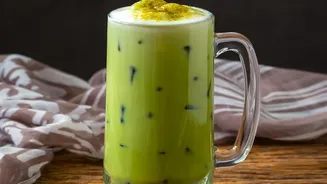
Let's be honest: matcha looks good. Its striking green colour makes for an instantly shareable social media post, a factor that has played a huge role in its rapid ascent. In an age where experiences are often curated for an online audience, ordering a matcha latte is as much about the aesthetic as it is about the taste or effect. It signals an alignment with global wellness trends and a sophisticated palate. Cafes have leaned into this, serving beautifully layered iced matcha lattes that are practically designed for Instagram. This visual appeal has convinced many to try the drink for the first time, turning curiosity into a regular habit. The trend has even moved beyond cafes and into homes, with Google searches for "how to make matcha" in India surging by 1,300% over the past year.
A Modern Twist on an Ancient Ritual
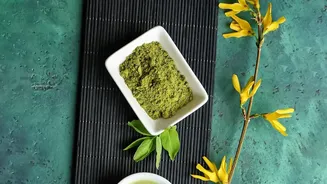
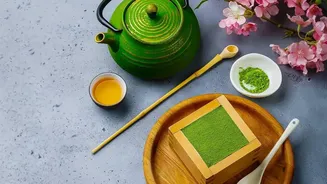
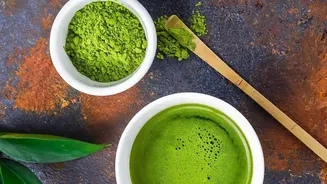
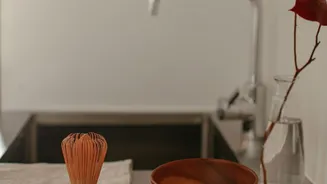
While the frothy latte is a modern invention, matcha itself has a rich history rooted in centuries-old Japanese tea ceremonies, where it was used by monks to aid in meditation. This connection to mindfulness and ritual adds a layer of depth to the beverage that a simple cup of coffee lacks. Modern cafes are building on this by offering innovative flavour combinations that make matcha more accessible to the Indian palate. Menus now feature creative concoctions like mango matcha, strawberry matcha, and even aam panna matcha, blending the traditional tea with familiar local flavours. These creative twists have broadened its appeal, transforming it from a drink for purists into a versatile beverage that can be enjoyed by everyone.