


Understanding the Current Situation
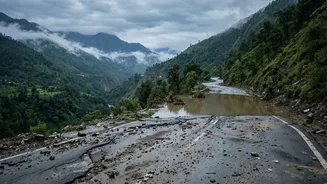
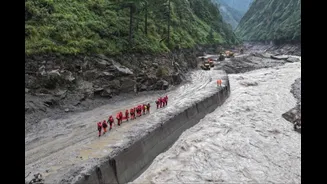
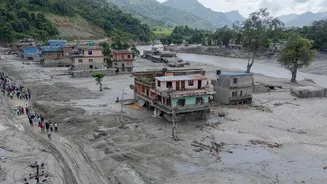
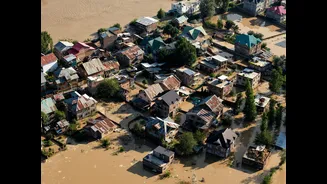
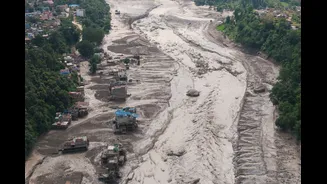
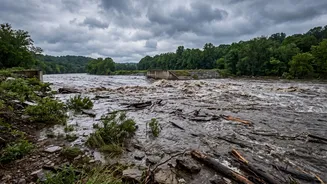
On August 26, 2026, a catastrophic flash flood, triggered by a glacial collapse on the Nepal-Tibet border, sent a wall of water down the Bhote Koshi and Trishuli river systems. This has resulted in a major humanitarian crisis, with extensive damage to
homes, bridges, and roads in specific northern districts. Rescue and recovery operations are ongoing, with Nepali authorities warning of continued risks in the immediate disaster zone. However, it is crucial to understand that this devastation is not nationwide. Tourism and government bodies are working to distinguish between the severely impacted corridor and the rest of the country, much of which remains untouched by the floods.
Which Tourist Areas Are Affected?
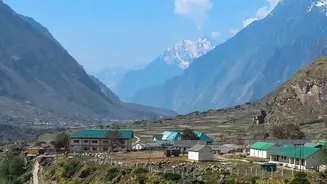
The disaster is heavily concentrated in the northern districts of Rasuwa, Nuwakot, and Dhading along the river corridor. Consequently, the Langtang trekking region is the primary tourist area that is currently inaccessible. The main road leading to the trailheads at Syabrubesi has been destroyed, and authorities have closed the area to all travel while search and rescue operations continue. Similarly, the Rasuwagadhi border crossing with China's Tibet region is closed. For travellers, this means any itinerary focused on the Langtang Valley, Gosaikunda, or overland travel to Tibet via the Kerung border is not presently viable. Tour operators are actively re-routing clients who had booked trips to this specific region.
What About Major Hubs and Treks?
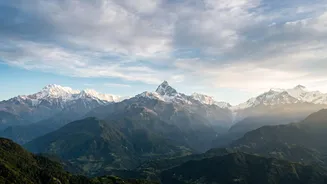
For the vast majority of tourists, the news is reassuring. Nepal’s main tourism hubs and most popular trekking circuits were not in the flood's path and remain fully operational. The capital, Kathmandu, and its international airport (KTM) are completely unaffected, with all heritage sites, hotels, and restaurants open for business. Pokhara, the gateway to the Annapurna mountains, is also safe, as is Chitwan National Park. Most importantly for the upcoming autumn trekking season, the popular Everest (Khumbu) and Annapurna regions are safe and accessible. Trekking agencies report that trails, teahouses, and lodges in these areas are preparing for the season as usual.
Navigating Transportation Challenges
While major destinations are safe, overland travel requires careful planning. The Prithvi Highway, which connects Kathmandu with Pokhara and Chitwan, runs alongside the Trishuli River and has sustained damage in certain sections. Authorities have implemented temporary road closures and restrictions, making bus journeys unpredictable. For travel between these key cities, flying is currently the most reliable and recommended option. Domestic flights are operating normally from Kathmandu to Pokhara. Travellers heading to the Everest region should also note that Lukla flights, which sometimes depart from Ramechhap, may face road-related logistical adjustments, but the air route to the trailheads remains open.
Practical Advice for September Travellers
If you have a trip booked, your first step should be to contact your airline and tour operator. They will have the most up-to-date, on-the-ground information regarding your specific itinerary. Do not cancel a trip to an unaffected area without consulting them first. Ensure your travel insurance is comprehensive and covers natural disasters, trip cancellations, and medical evacuations. Be prepared to be flexible; your operator might suggest minor changes, like swapping a road journey for a flight. Finally, pack patience and an understanding that while your holiday destination may be perfectly safe, the country as a whole is processing a significant tragedy.