






The Twin Pillars: Roads and Railways
Gujarat is set for a significant transformation with a multi-thousand-crore push into its road and rail networks. On September 8, 2026, a series of projects worth over ₹35,000 crore were launched, targeting some of the state's most critical transportation
challenges. The strategy is two-pronged: dramatically upgrade the highway system to handle more vehicles efficiently, and simultaneously overhaul the railway network to separate freight and passenger traffic, freeing up capacity for both. This investment aims to create a more integrated and fluid transport system, not just for Gujarat but for its connections to the rest of India.
The Freight Revolution: The WDFC Game-Changer
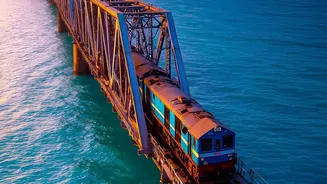
A cornerstone of this transformation is the Western Dedicated Freight Corridor (WDFC), a 1,506-km high-capacity rail line running from Uttar Pradesh to Maharashtra via Gujarat. With the inauguration of its final sections in Gujarat, including the link to the Jawaharlal Nehru Port (JNPT), the entire corridor is now operational. This is a monumental shift. By moving container traffic onto its own dedicated tracks, the WDFC will decongest the existing rail network, which has long struggled to balance goods trains with passenger services. The immediate benefits include faster movement of import-export cargo, reduced logistics costs for industries, and less pressure on Mumbai's choked rail lines.
Superhighways Taking Shape
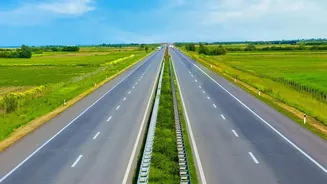
On the road front, progress is accelerating on several fronts. Key sections of the Delhi-Mumbai Expressway passing through Gujarat are becoming operational, with the Godhra-Vadodara stretch opening for trial runs earlier in 2026. This eight-lane expressway is designed to cut the Delhi-Mumbai travel time to around 12 hours. In addition, significant upgrades are underway on National Highways like NH-48 and NH-53. These include the six-laning of the busy Kamrej-Chalthan section and the construction of new bridges over the Tapi and Narmada rivers on the Vadodara-Surat section, projects specifically designed to improve traffic flow and enhance safety at accident-prone spots.
Tackling Urban Congestion Head-On
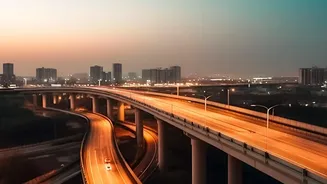
While national corridors are vital, the plan also addresses the daily gridlock within Gujarat's cities. In Ahmedabad, the SG Highway is being turned into a 44-km signal-free corridor, with a series of flyovers and elevated sections designed to allow non-stop travel. A new elevated corridor between ISKCON and Sanand Circle is set to bypass three major traffic bottlenecks. In Vadodara, the second phase of a major ring road is part of the new slate of projects. These urban-focused initiatives are critical, as cities like Ahmedabad have seen a massive influx of vehicles in recent years, putting immense strain on existing roads and threatening to bring traffic to a standstill if not addressed.
Connecting People and Boosting a Modern Economy
Beyond moving goods and easing traffic, these projects are about connecting people. New railway lines like the Jobat-Tanda Road link will bring remote tribal areas of Alirajpur onto the national rail network for the first time. The expansion of passenger rail, including additional lines between Vadodara and Ratlam, will increase capacity and improve connectivity with neighbouring Madhya Pradesh. Ultimately, this web of new roads and rail lines is the backbone of a modern economy. It promises not only a faster commute for individuals but also a more efficient supply chain for industries, potentially spurring economic growth across the state and solidifying Gujarat's position as a premier logistics hub.