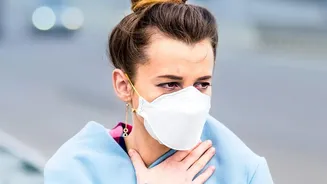




Understanding the 'Smog Throat'
When you breathe in polluted air, tiny, harmful particles and gases like particulate matter (PM2.5), nitrogen dioxide, and sulfur dioxide can irritate the sensitive lining of your respiratory tract. This triggers inflammation, leading to that familiar
scratchy, dry, and sore feeling. Symptoms of a pollution-related sore throat often include a persistent dry cough, hoarseness, and the constant urge to clear your throat. These symptoms may feel worse after you've spent time outdoors and might improve when you're inside with cleaner air. This type of sore throat is primarily an irritation, not an infection.
First-Line Soothing Home Remedies
For a throat irritated by smog, the goal is to soothe inflammation and keep the tissues moist. One of the most effective and time-tested remedies is a simple saltwater gargle. Dissolving half a teaspoon of salt in a glass of warm water and gargling can help reduce swelling and flush out irritants. Staying hydrated is also paramount. Warm liquids, such as herbal teas and broths, help thin mucus and keep your throat from drying out. Using a humidifier indoors, especially at night, can also add moisture to the air and ease discomfort.
Nature's Soothers for Relief
Several natural ingredients are renowned for their soothing properties. Honey is a powerful ally, as its thick consistency coats the throat and it possesses natural anti-inflammatory qualities. Adding a spoonful to warm water or a cup of ginger tea can provide immediate comfort. Ginger itself is an excellent anti-inflammatory that can help reduce pain and fight irritation. Another kitchen staple, turmeric, can be added to warm milk to create a calming drink that leverages its antimicrobial and anti-inflammatory benefits, especially good before bedtime. For a more direct approach, steam inhalation, with or without a few drops of eucalyptus oil, can moisturise the airways and help clear pollutants.
The Critical Warning: Irritation vs. Infection
This is where self-care requires caution. While home remedies are excellent for irritation, they cannot treat a bacterial infection like strep throat. An infection often presents with different and more severe symptoms. A key differentiator is often the absence of a cough with a bacterial infection, which is more common with viral illnesses or pollution irritation. An infection may also come on suddenly and be accompanied by symptoms that are not typical for a 'smog throat'. Recognising these differences is vital for your health, as an untreated bacterial infection can lead to more serious complications.
Red Flags: When to See a Doctor
You must seek medical advice if your sore throat is accompanied by specific warning signs. A fever over 101°F (38.3°C), severe pain when swallowing, or visible white patches or pus on your tonsils are strong indicators of a bacterial infection that requires a doctor's diagnosis and likely antibiotics. Other red flags include swollen and tender lymph nodes in the neck, a skin rash, body aches, or a sore throat that lasts longer than a week without improvement. If you experience any difficulty breathing, trouble swallowing, or are coughing up blood, you should seek emergency medical care immediately. Don't assume a persistent sore throat is just from the pollution; getting a professional diagnosis is the safest course of action.