




From Sterile to Sanctuary: The New Minimalism
For years, the word “minimalism” conjured images of bare white walls, sharp geometric furniture, and a general feeling of coldness. It was a design philosophy that looked impressive in magazines but often felt impersonal and impractical in real life.
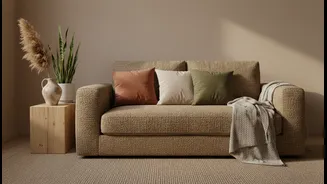
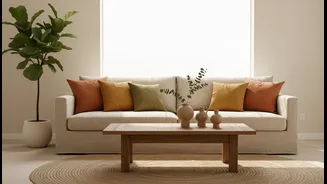
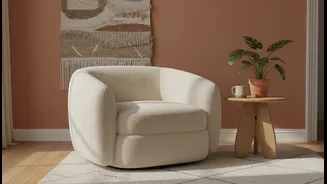
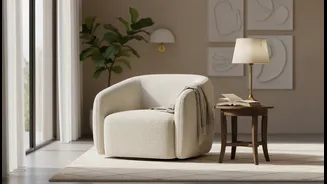
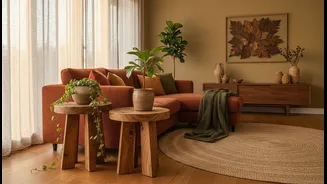
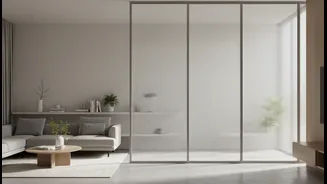
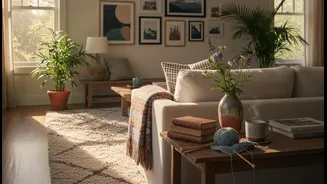
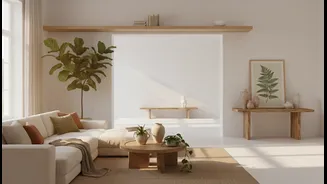
A new wave, often called “warm minimalism,” is changing that perception. It keeps the core principle of simplicity—uncluttered spaces and a focus on functionality—but adds layers of warmth and comfort. This evolution isn't about having less for the sake of it, but about ensuring every item in your home earns its place by being both beautiful and purposeful. The goal is to create a serene, welcoming sanctuary that feels both modern and genuinely lived-in.
The Soul of a Space: The Power of Natural Materials
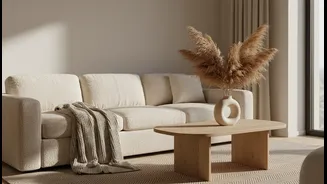
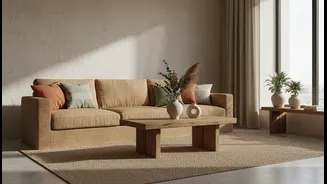
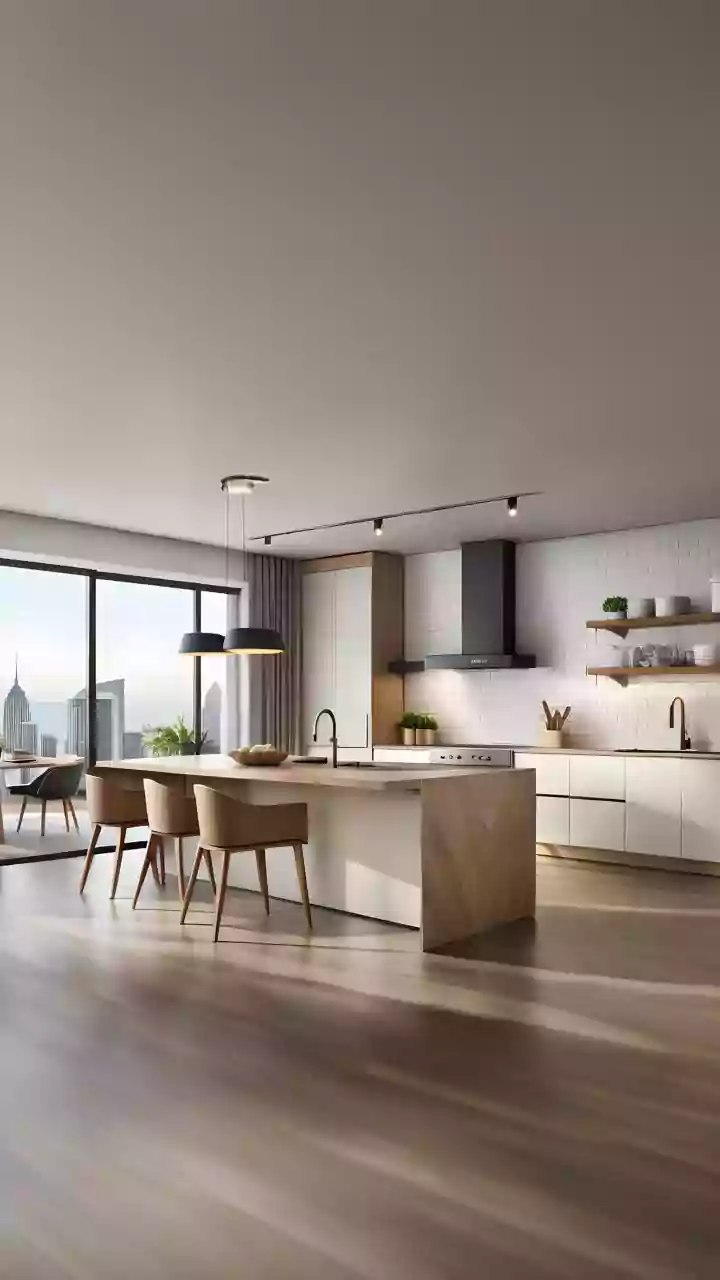
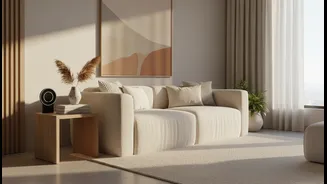
A key element in this shift is the enthusiastic adoption of natural materials. Instead of high-shine metals and plastics, this warmer style favours wood, stone, wool, linen, and clay. These materials bring a tactile quality and a connection to the outdoors that instantly makes a room feel more grounded and inviting. Think of the unique grain in an oak dining table, the soft texture of a wool rug underfoot, or the earthy feel of handmade ceramic pottery. These elements add character and depth, celebrating the subtle imperfections and variations found in nature. They also tend to age gracefully, developing a patina over time that adds to their story and timeless appeal.
The Unsung Hero: Storage That Works
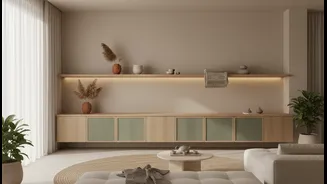
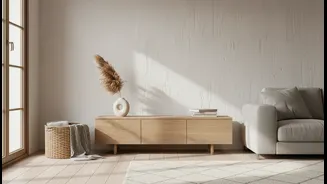
The secret to a successful minimalist home has always been effective storage. To maintain a clean, calm surface, you need a smart place to put everything. This new, more liveable minimalism treats storage not as an afterthought, but as an integrated design element. This means moving beyond purely hidden solutions and embracing furniture that is both functional and beautiful. Think multi-functional pieces like an ottoman with hidden storage for blankets, a bed frame with built-in drawers, or a sleek sideboard that conceals clutter while serving as a display surface for a few treasured items. The strategy is to maximize vertical space with wall-mounted shelves or full-height cabinets that keep floors clear and create a sense of spaciousness. When everything has a designated home, tidiness becomes effortless, allowing the calm of the minimalist aesthetic to shine through without sacrificing the practical needs of daily life.
Why We Crave Comfort and Connection
This trend isn’t just about aesthetics; it reflects a deeper cultural shift. In an increasingly fast-paced and digital world, many people are seeking to create homes that offer a genuine respite. The emphasis on natural materials is part of a broader wellness trend known as biophilic design, which focuses on strengthening our connection to nature to improve well-being and reduce stress. The desire for sustainable and durable goods also plays a role. Natural materials are often more eco-friendly and longer-lasting than synthetic alternatives. Ultimately, this evolution of minimalism is about creating spaces that are not only visually peaceful but also emotionally comforting and highly functional—a perfect balance of simplicity and life.