


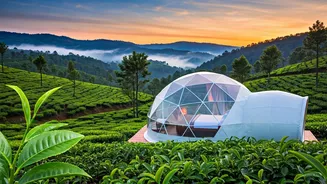



A Land Before Time
For most Americans, the Western Ghats might not ring a bell, but this mountain range running parallel to India’s western coast is a UNESCO World Heritage Site and one of the world's most important biodiversity hotspots. Older than the Himalayas, these
mountains are a breathtaking tapestry of tropical evergreen forests, rolling grasslands, and sprawling plantations of tea, coffee, and cardamom. Wayanad, a district nestled in the northeastern part of the state of Kerala, is the gateway to this lush paradise. It’s a place where nature remains profoundly in charge, offering a sense of raw, unfiltered beauty that feels worlds away from the curated polish of many popular tourist destinations.
The Iconic Chembra Peak Trek
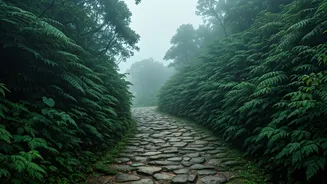
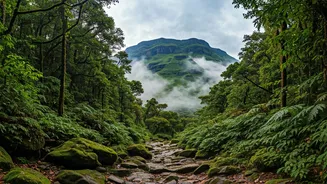
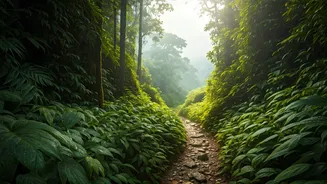
The quintessential Wayanad trek is the journey up Chembra Peak, the highest summit in the district at over 6,800 feet. This is not a casual stroll; it’s a moderately challenging day-long hike that rewards every ounce of effort with staggering views. The trek, which requires a permit and a guide from the local forest office, winds through dense shola forests and vast tea estates. The trail’s most famous landmark is a stunning heart-shaped lake, known locally as Hridaya Saras, believed to never have dried up. Reaching the peak offers a panoramic vista of the entire Wayanad region, with clouds often drifting below you, creating the feeling of standing on an island in the sky. It’s a demanding, soul-stirring experience that defines the region’s adventurous spirit.
More Than Just a Mountain
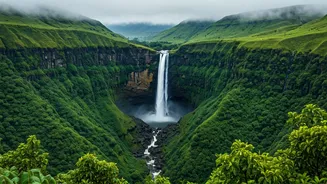
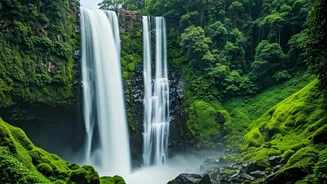
While Chembra Peak gets the spotlight, Wayanad’s trekking landscape is rich and varied. For a different kind of adventure, you can hike to the Edakkal Caves, which aren’t caves in the traditional sense but a massive fissure in a rock. Inside, ancient petroglyphs dating back thousands of years offer a fascinating glimpse into a prehistoric past. Another popular route leads to Soochipara Falls, also known as Sentinel Rock Waterfalls, where a three-tiered cascade plunges into a deep pool, inviting a cool dip after a humid trek. Other trails meander through the Wayanad Wildlife Sanctuary, where you might spot elephants, deer, or the elusive Malabar giant squirrel, guided by local experts who know the forest’s secrets.
What Makes It 'Eco-Trekking'?
The “eco” in Wayanad’s eco-treks is more than just a buzzword. Tourism here is often managed by community-based organizations and the Kerala Forest Department. This model ensures that trekking is sustainable, minimally invasive, and directly benefits the indigenous communities who have called these forests home for generations. Hiring a local guide isn't just a safety requirement; it's an integral part of the experience. These guides share deep knowledge of the flora and fauna, point out medicinal plants, and tell stories that bring the landscape to life. This approach fosters a sense of respect for the delicate ecosystem and creates a more meaningful connection between the traveler and the place.
Planning Your Green Escape
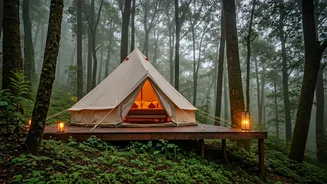
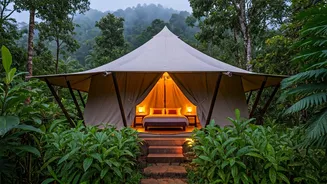
The best time to visit Wayanad for trekking is from September to March, after the heavy monsoon rains have subsided, leaving the landscape vibrant and green. The weather is pleasant, and the trails are more accessible. Essentials include sturdy, waterproof hiking boots, breathable rain gear (mist can turn into a downpour unexpectedly), insect repellent, and a reusable water bottle. Most treks require entry passes and a registered guide, which can be arranged at the respective forest offices near the trailheads. Don’t expect luxury; the appeal here is the immersion in nature. Accommodations range from rustic homestays and eco-lodges to more comfortable resorts, many of which are nestled within coffee or spice plantations.