







The Argument for Homemade
Let’s be honest, the star of the monsoon spread is usually the golden-fried snack, glistening and hot from the pan. But what elevates a good snack to a great one is its partner: the chutney. For too long, many of us have reached for a bottle out of convenience.
While store-bought sauces get the job done, they often lack the soul and vibrancy of their homemade counterparts. Commercial chutneys frequently rely on preservatives, artificial flavours, and excess sugar to stay shelf-stable, which can mute the fresh ingredients. Making your own condiments puts you in complete control. You can dictate the spice level, the tanginess, and the sweetness, creating a flavour profile perfectly tailored to your palate. The difference is immediately noticeable. A homemade green chutney has a herbaceous brightness and a spicy kick that you simply can't find in a jar. It tastes of fresh coriander and mint, not of something that’s been sitting on a shelf for months.
The Essential Green Chutney
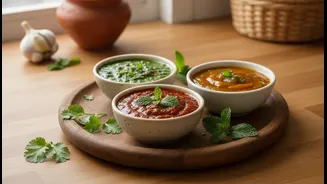
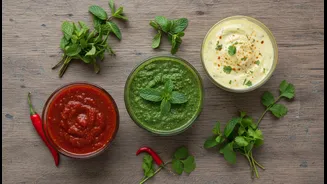
If there is one chutney to master, it is the classic green chutney, or hari chutney. It is the ultimate companion to almost every Indian snack, from the humble bread pakora to the mighty samosa. Its fresh, zesty profile cuts through the richness of fried foods perfectly. To make a basic, can't-go-wrong version, you need a generous bunch of fresh coriander, a smaller bunch of mint, a few green chillies (adjusted to your heat preference), a knob of ginger, and the juice of a lemon. Some recipes suggest adding a little garlic or roasted cumin powder for depth. The trick is to use minimal water while blending, adding just enough to get the blades moving. This results in a thick, vibrant paste rather than a watery sauce. For a creamier texture, perfect for using as a dip for kebabs, you can blend in a tablespoon of yoghurt. Stored in an airtight container in the fridge, it will stay fresh for a few days, ready to elevate your next snack attack.
Sweet and Tangy Tamarind Chutney
The perfect foil to the spicy green chutney is the sweet, sour, and deeply flavourful tamarind chutney, often called imli chutney or saunth. This dark, glossy condiment is essential for chaat but equally delicious with snacks like dahi vada and kachori. While it may seem intimidating, it's surprisingly simple to prepare. The process involves soaking a block of tamarind in hot water, and then mashing the pulp to extract all the flavour. This liquid is then simmered with a sweetener, typically jaggery, which provides a caramel-like depth that white sugar cannot replicate. A mix of ground spices like roasted cumin, ginger powder, and a hint of red chilli powder creates its signature sweet-and-sour profile. Some variations call for dates to be simmered along with the tamarind for a thicker consistency and natural sweetness. This chutney keeps well in the refrigerator for several weeks, meaning a single batch can see you through many rainy evenings.
Beyond the Classics
While green chutney and tamarind chutney are the undisputed champions, the world of homemade condiments is vast and exciting. A fiery red chilli and garlic chutney can add a powerful kick for those who enjoy a lot of heat. Another fantastic option, especially in South India, is a coconut-based chutney, which provides a creamy, nutty contrast to crispy vadas. For something different, try a tomato chutney, simmered with onions and spices until it’s thick and jammy. You can even get creative with fruit; a spicy mango or plum chutney can be a delightful surprise, pairing sweetness with tang and spice. The key is to experiment with seasonal produce and find combinations that you love. These chutneys are not just for dipping; they can be used as sandwich spreads, marinades, or even to spice up a simple bowl of rice.
Tips for Success and Storage
Making fresh chutneys is a rewarding and simple process. To ensure the best flavour, always use the freshest herbs and ingredients you can find. When making green chutney, adding the lemon juice at the end of the blending process helps to preserve its vibrant colour. For storage, always use clean, dry, airtight glass jars. While fresh herb-based chutneys have a shorter shelf-life of a few days in the refrigerator, cooked chutneys like tamarind can last for weeks. A clever trick to preserve green chutney is to freeze it in an ice cube tray. This allows you to pop out a single serving whenever you need it, ensuring you have fresh-tasting chutney on demand all monsoon long.