





A Craving Written in the Clouds
There's a science to why the rumble of thunder often leads to the crackle of a frying pan in an Indian kitchen. When the sky turns grey and sunlight diminishes, it can lead to a dip in serotonin, the brain's mood-regulating chemical. This dip often triggers
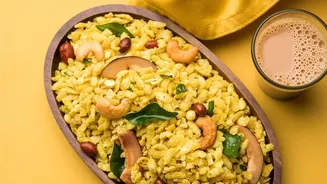
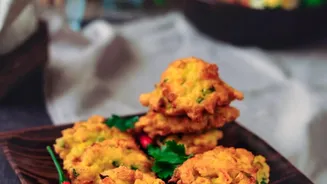
cravings for comfort foods—particularly those high in carbs and fat—as our body seeks a quick dopamine hit to lift our spirits. Furthermore, the drop in temperature makes our bodies instinctively seek warmth. Hot, energy-dense foods like pakoras, samosas, and bhajiyas, served alongside a steaming cup of chai, are a perfect physiological response to the damp chill of a rainy day. It’s less about simple indulgence and more of a primal, comforting response to the environment. The craving is a shared, almost Pavlovian response conditioned by years of cultural ritual.
Food as a Time Machine
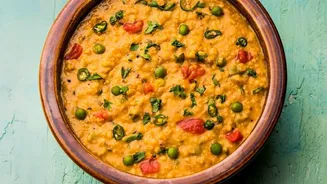
Beyond the biology, the monsoon food craving is deeply rooted in nostalgia. For many, the taste of a specific rainy-day snack is a direct link to childhood. It evokes memories of mothers and grandmothers preparing treats while the rain poured down, of family gathered together, and of the simple joy of being home and cared for. Dishes like a simple khichdi with a dollop of ghee, roasted bhutta (corn on the cob) seasoned with lemon and spice, or a plate of crispy pakoras are not just food; they are edible memories. They transport us back to a time of comfort and security, a powerful feeling that we seek to replicate, especially during the introspective mood that the rainy season often inspires. This connection between food and emotion is universal, but in India, it is amplified by the sheer diversity of regional monsoon traditions.
The Digital Dastarkhan
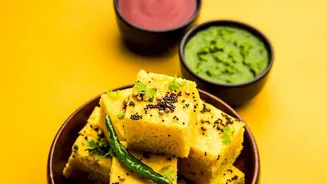
This collective, seasonal craving has found a powerful new outlet: social media. Food creators on platforms like Instagram and YouTube are astutely tapping into this shared nostalgia. They aren't just sharing recipes; they are crafting stories. A Reel of perfectly crispy onion pakoras isn't just a cooking tutorial; it’s a sensory experience, complete with the sizzle of hot oil and the visual of steam rising from a fresh plate. These creators are curating a digital 'dastarkhan' (a traditional dining spread) that celebrates regional diversity. Viewers in Mumbai can experience the joy of Kolkata's Telebhaja (deep-fried snacks) or Chennai's spicy pepper rasam. Social media has democratized food discovery, allowing hyper-regional specialties—like Uttarakhand's Aloo Ke Gutke or Maharashtra's Pithla Bhakri—to find a national audience, especially when they are tied to a universally understood feeling like a rainy-day craving.
A Hunger for Authenticity
The popularity of this content speaks to a larger cultural trend. In a world of globalized food chains and fleeting viral trends, there is a growing hunger for authenticity and connection to one's roots. The focus on traditional, regional monsoon food is a delicious form of this. It's a celebration of recipes passed down through generations, of local ingredients, and of a culinary wisdom that is inherently seasonal. By watching, sharing, and recreating these dishes, people are not just satisfying a craving. They are participating in a cultural conversation, preserving heritage, and finding comfort in the familiar. This trend shows that while a single viral video can make a dish famous, the most resonant content is that which connects to a deeper, shared experience. It proves that sometimes, the most comforting thing in our hyper-digital world is a simple, traditional meal that tastes like home.