
From Heirloom to High Fashion
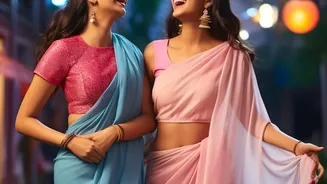
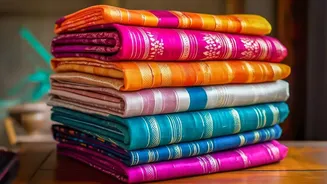
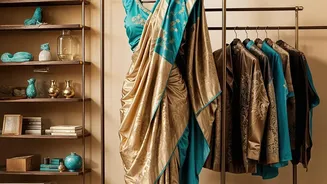
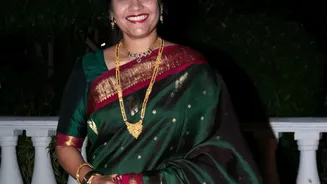
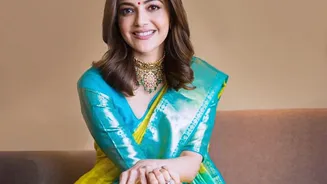
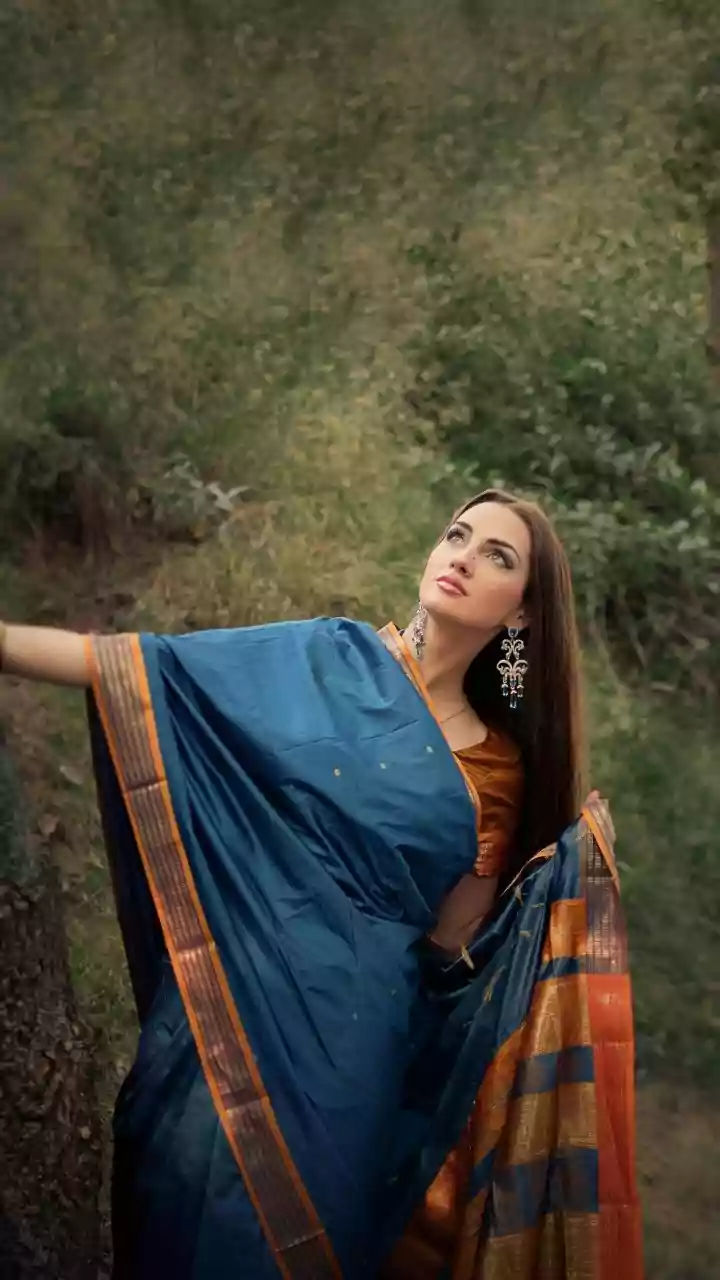
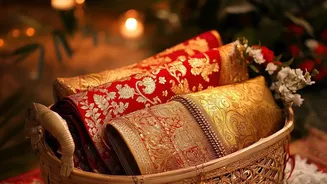
In many Indian households, trunks overflow with vintage silk sarees that are too precious to discard but perhaps too traditional for a modern wardrobe. Now, a creative wave is sweeping the fashion landscape, deconstructing these six yards of memories
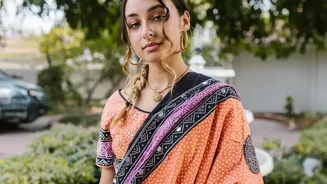
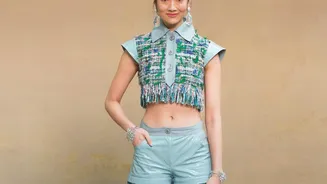
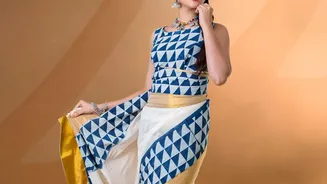
into contemporary two-piece coordinated sets, or 'co-ords'. This trend sees Kanjivarams, Banarasis, and other heritage silks skillfully cut and stitched into stylish combinations of crop tops and trousers, blouses and skirts, or even jackets and palazzos. The practice, once a quiet act of home-based frugality, has been embraced by a new generation of designers and fashion lovers as a trendy and professional statement. It’s a full-circle fashion moment, where the intricate borders, rich pallus, and unique weaves of an old saree are reimagined into a completely new silhouette.
The Sustainable Heart of the Trend
This movement is about more than just aesthetics; it's a powerful nod to sustainable and conscious fashion. By upcycling, these young enthusiasts are directly challenging the fast-fashion model, which thrives on a use-and-throw culture, especially during the festive season. Repurposing a single silk saree prevents it from ending up in a landfill and reduces the demand for new resource-intensive production. Brands and designers focused on this niche are championing a circular design philosophy, often aiming for zero-waste production where every scrap of the precious fabric is utilised. This approach not only has a significant positive environmental impact but also preserves the cultural heritage woven into these exquisite textiles.
A Marriage of Tradition and Modernity
The true genius of this trend lies in its delicate balance between reverence and reinvention. This is not about destroying heritage; it's about giving it a new language. Designers are finding innovative ways to honour the original craftsmanship of the saree while adapting it for a contemporary audience. A striking border might become the waistband of a skirt, a zari-heavy pallu could be transformed into a structured corset or jacket, and the body of the saree forms the flowing silhouette of a pair of sharara pants. This process keeps the soul of the garment intact while making it relevant and wearable for modern festivities, blending cultural identity with global trends. It's a celebration of personal history, allowing wearers to carry a piece of their family's legacy in a form that feels entirely their own.
The Creative Minds Behind the Movement
Across India, a host of small-batch labels and independent designers are pioneering this trend. Brands like LataSita and I WAS A SARI focus on turning pre-loved sarees into one-of-a-kind pieces, often empowering women artisans in the process. Others, like Jaipur-based Laturia, transform vintage textiles into contemporary daily wear, including shirts and dresses from heirloom sarees. Many designers offer custom services, allowing clients to bring their own family sarees for a bespoke transformation. For instance, a client might commission a co-ord set from their mother's wedding saree, creating an outfit that's not just beautiful but also deeply personal and packed with emotional value. This personal touch and the story behind each garment are what make these pieces truly special.