





The Catalyst for Change
Just a few years ago, the idea of a serious workout meant a trip to the gym. It was a ritual involving specific timings, a commute, and navigating crowded equipment floors. The COVID-19 pandemic shattered that model overnight. With gyms shuttered, millions
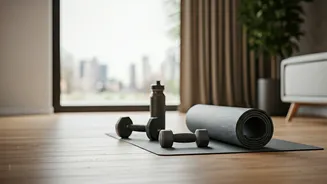
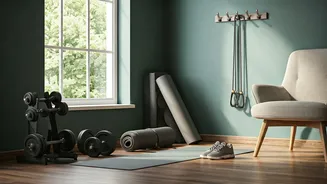
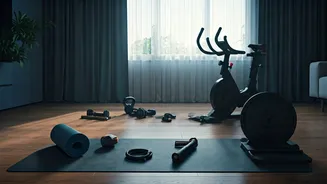
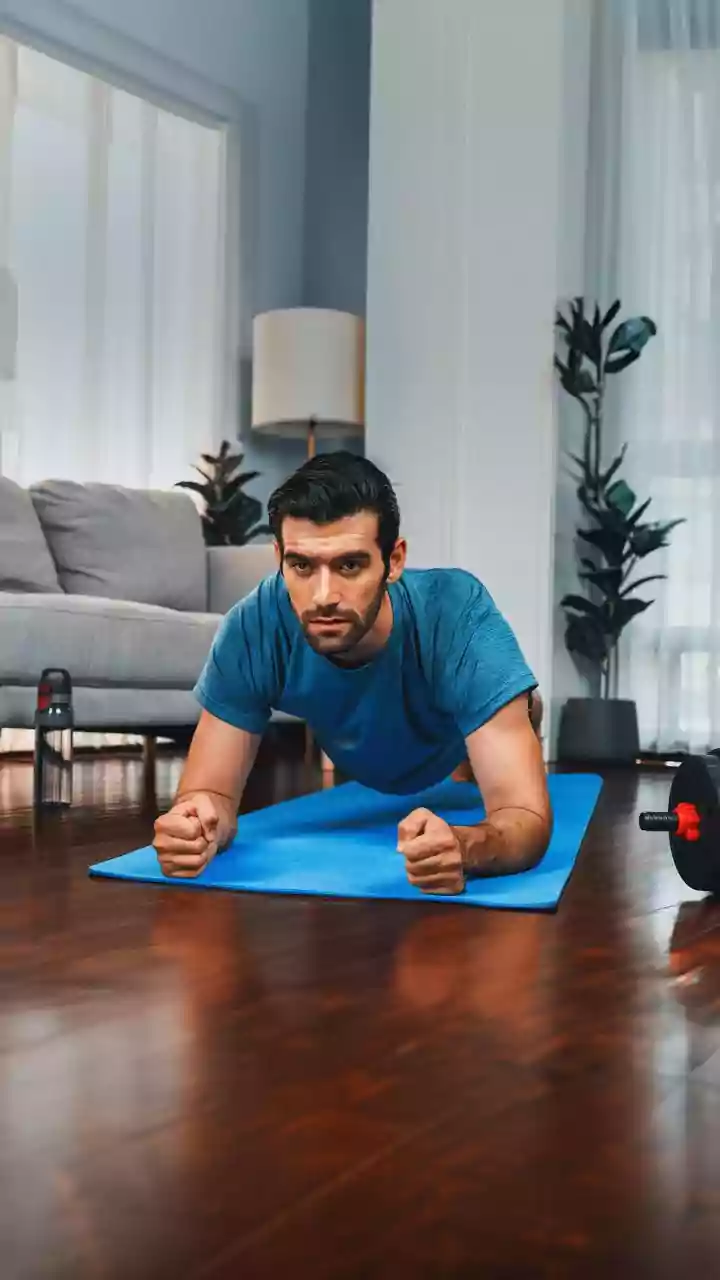
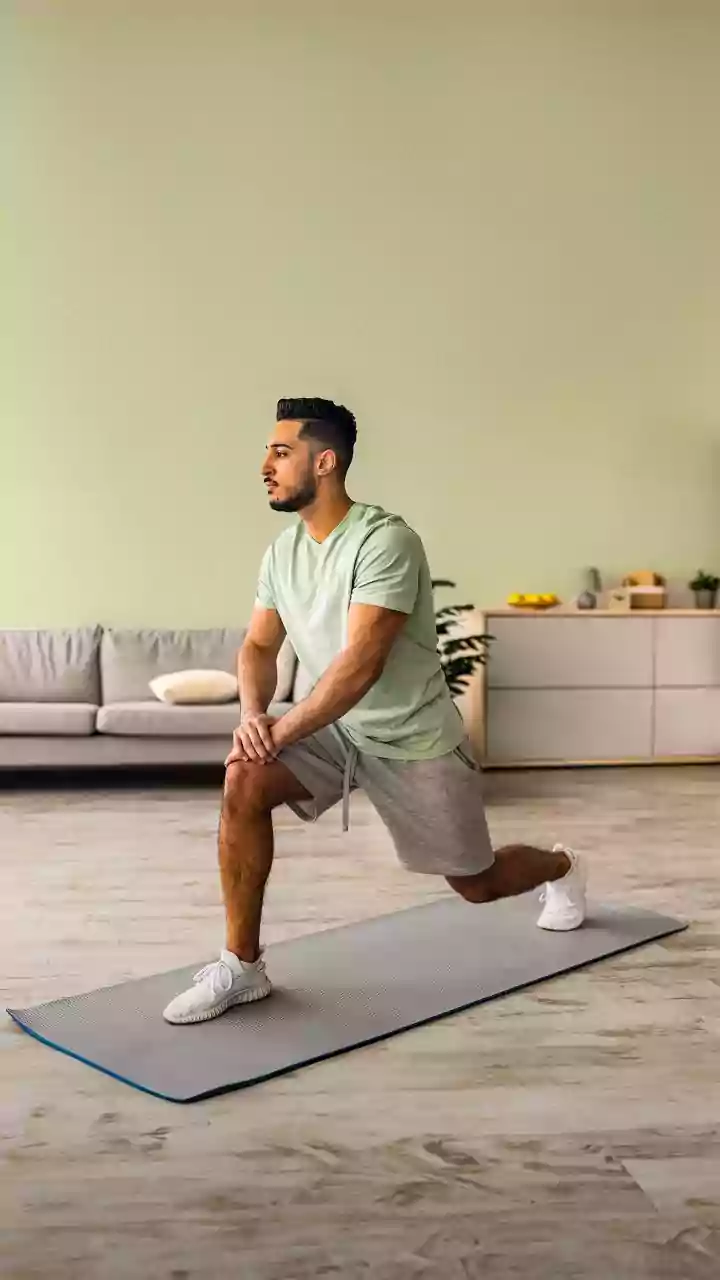
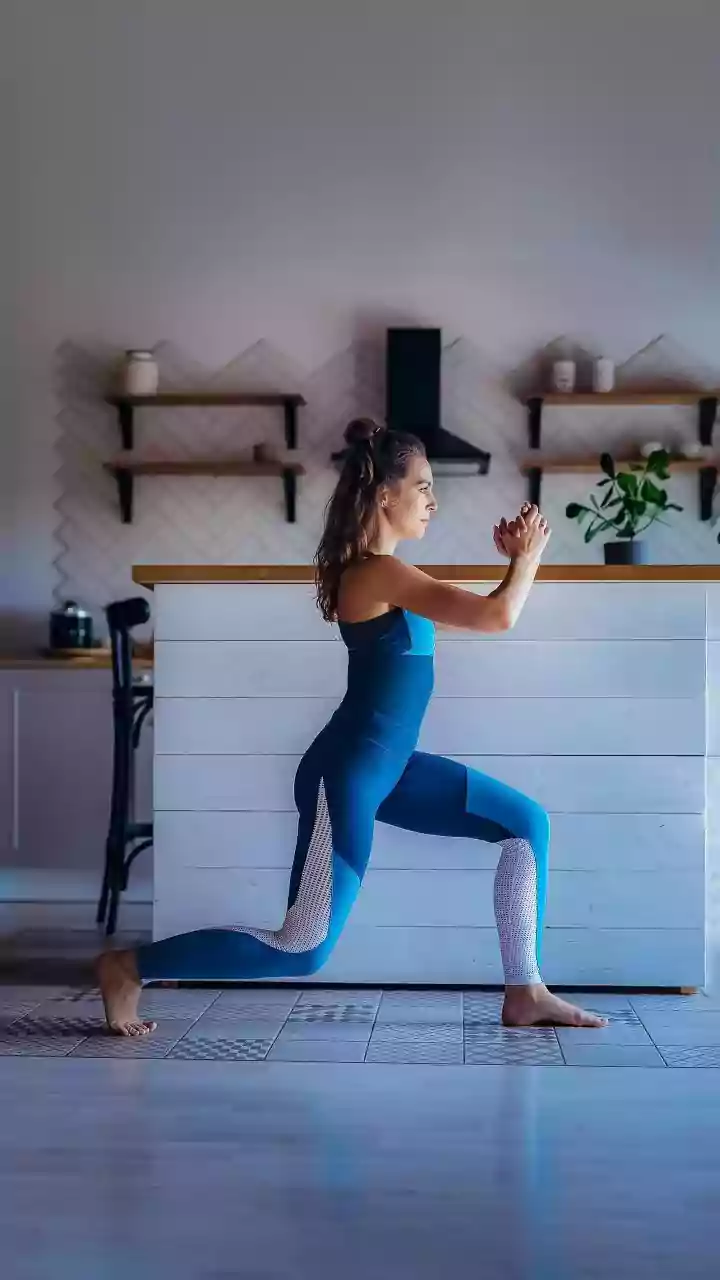
across India were forced to find new ways to stay active within their own four walls. What started with tentative YouTube yoga sessions and makeshift dumbbell workouts using household items quickly evolved. People discovered that a fulfilling fitness routine didn't necessarily require a monthly membership. This forced experiment became a widespread re-evaluation of what it means to be fit, laying the groundwork for a permanent shift.
Technology as the New Personal Trainer
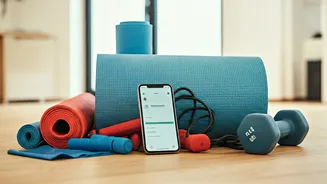
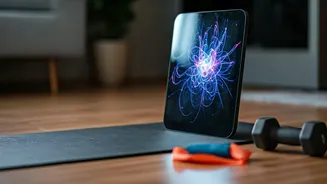
The single biggest driver of this expansion is technology. The lockdown era coincided with a golden age for fitness tech. Indian startups like Cult.fit (formerly Cure.fit) and international giants like Peloton and Apple Fitness+ transformed the solitary nature of home workouts into an immersive experience. High-energy virtual classes, real-time feedback from smart equipment, and gamified apps made exercising at home engaging and effective. Suddenly, you could have a top-tier trainer from Mumbai or Bengaluru guiding you through a HIIT session in your bedroom. This digital ecosystem provided structure, motivation, and variety that was previously the exclusive domain of boutique fitness studios.
The Rise of the Digital Community
One of the biggest arguments for gym culture has always been community and motivation. Yet, the new home workout culture has built its own version, one that is arguably more accessible. Fitness influencers on Instagram and YouTube became trusted guides and cheerleaders for millions. They democratised fitness knowledge, offering free workouts, nutrition tips, and, most importantly, a sense of shared experience. Digital leaderboards in fitness apps fostered friendly competition, while online groups on WhatsApp and Facebook created spaces for users to share their struggles and successes. This sense of belonging, without the perceived judgment of a physical gym, has been a powerful force in keeping people committed to their home routines.
Beyond Convenience: Privacy and Personalisation
While convenience is the most-cited benefit, the cultural shift runs deeper. For many, especially beginners or those with specific body-image concerns, the gym can be an intimidating space. The home offers a judgment-free zone to learn movements, build confidence, and work out at one's own pace. Furthermore, the sheer breadth of digital content allows for unprecedented personalisation. Whether your interest is in niche forms of dance, restorative yoga, advanced calisthenics, or pre-natal fitness, there is a specialised program available on-demand. This ability to tailor a fitness journey to one's specific goals, schedule, and mood is a luxury that traditional gyms struggle to match.
The Hybrid Future of Fitness
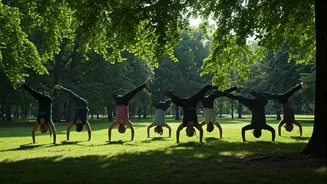
So, is this the end of the traditional gym? Not at all. As the world has reopened, what we're seeing is not a replacement but an integration. The home workout hasn't killed the gym; it has forced it to evolve. The future of fitness is hybrid. Many people now adopt a blended approach, using home workouts for convenience on busy days while visiting the gym for heavy lifting, specialised equipment, or the social buzz. This flexibility is the true legacy of the home workout boom. It has taught us that fitness is not a place you go to, but something you integrate into your life, wherever you are.