

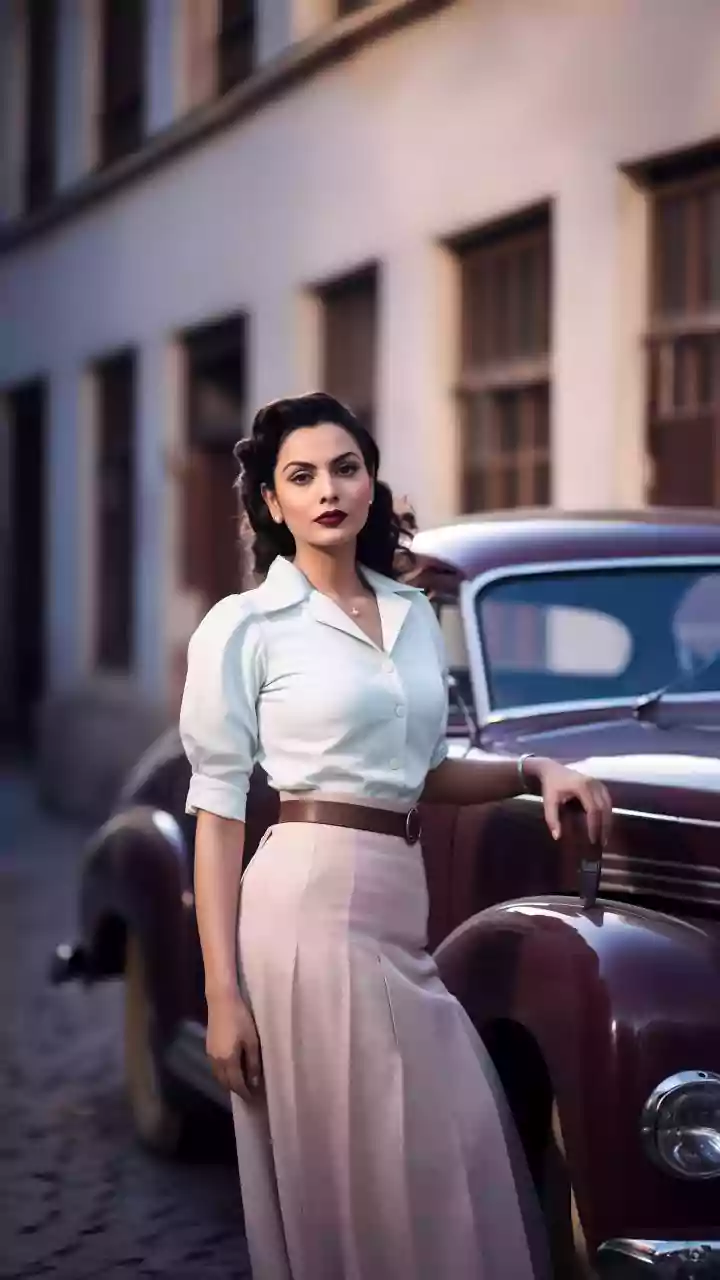




Dressing in a single colour is effortlessly chic, but it's a fine line between looking sophisticated and looking... well, a bit like a uniform. Here’s how to master tonal dressing and add depth to your look without reaching for a contrast colour.
Become a Master of Texture
The number
one rule for preventing a monochromatic outfit from falling flat is to mix your textures. When every piece is made of the same flat material, like cotton, the outfit can lack visual depth. The magic happens when you combine fabrics that interact with light differently. Think about pairing a chunky, ribbed-knit sweater with a smooth, liquid-like silk skirt. Or a soft cashmere jumper with the sleek finish of leather trousers. These combinations create subtle contrast and a rich, tactile dimension that makes the entire look more interesting and luxurious. Don't be afraid to mix materials like denim, wool, satin, and suede within the same colour family to elevate your ensemble.
Play with Tones and Shades
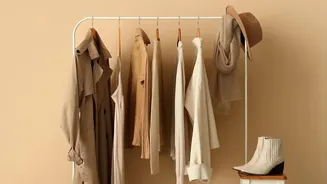
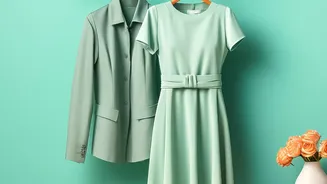
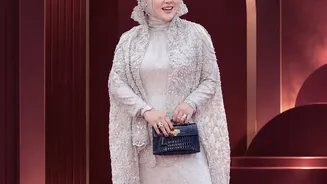
Monochromatic dressing doesn't mean every single item has to be the exact same shade. In fact, it's more sophisticated when it’s not. True tonal dressing involves wearing different shades, tints, and tones of the same base colour. Think of it as a gradient effect. For a beige outfit, this could mean layering pieces in cream, camel, and taupe. For a blue look, you could combine a light chambray shirt with deep navy trousers. This variation adds dimension and helps distinguish the different elements of your outfit, preventing it from looking like a single, uniform block of colour. Using darker shades on areas you wish to de-emphasise and lighter ones on areas you want to highlight is a classic styling trick.
Focus on Silhouette and Proportion
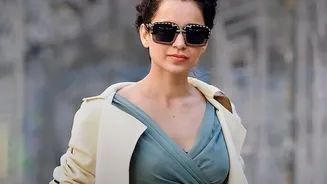
When your colour palette is simple, the shape of your clothes takes centre stage. Playing with silhouette is a powerful way to create visual interest. An outfit with varied proportions, such as an oversized blazer paired with slim-fitting trousers, instantly looks more dynamic. You can also experiment with layering different lengths, like a long coat over a shorter dress or a cropped sweater over a button-down shirt. Pay attention to the fit; even a single-colour outfit can be undermined by poor tailoring. A well-defined silhouette, whether through structured shoulders or a cinched waist, ensures your tonal look is sharp and intentional.
Introduce a Strategic Accent
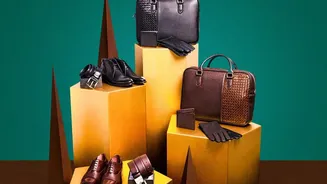
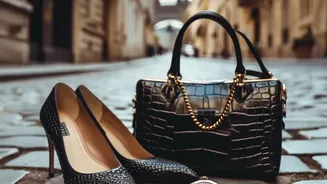
While the core of the outfit is monochromatic, a well-placed accessory can provide a focal point and break up the look just enough. This doesn't necessarily mean a loud, contrasting colour. An accessory in a metallic finish, like a gold chain necklace or a silver buckle on a belt, can add a touch of shine without disrupting the colour story. A handbag in a slightly lighter or darker shade of your main colour can also add interest. Even shoes in a neutral but different colour, like tan boots with an all-olive green outfit, can soften the look and make it feel more complete. The key is for the accessory to complement, not compete with, the main event.
Use Patterns Subtly
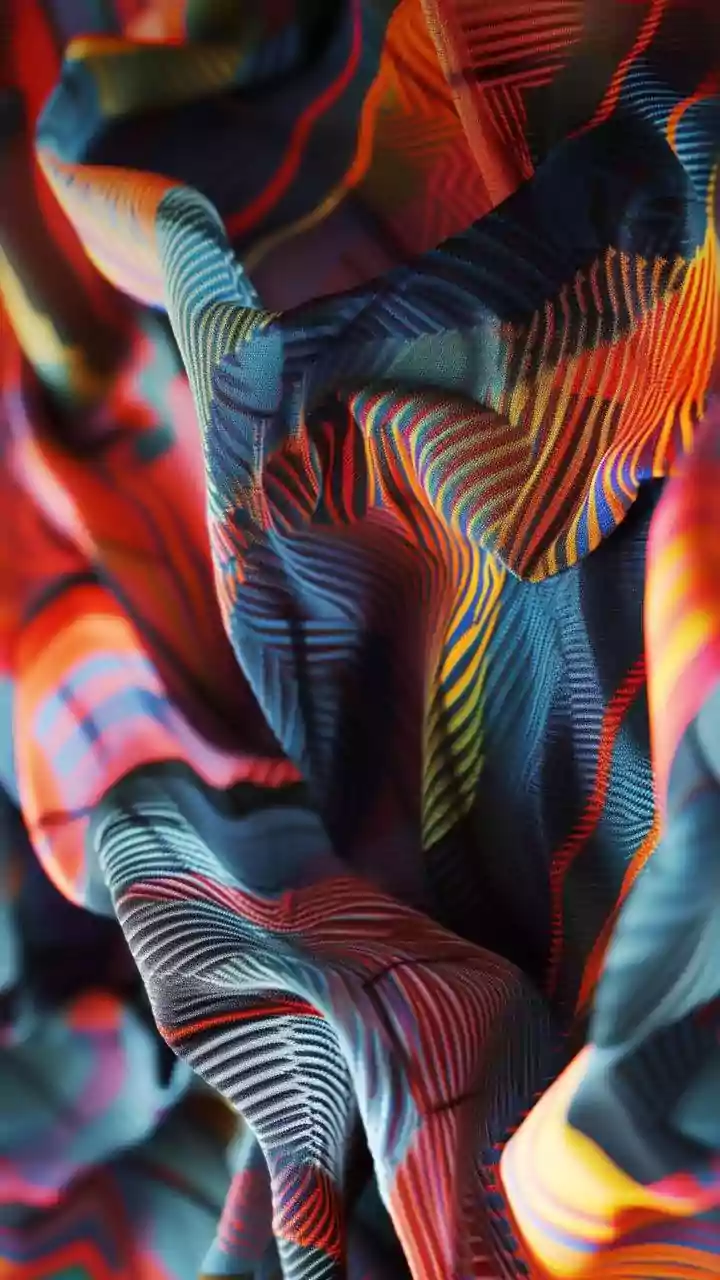
Patterns can be a part of a monochromatic look, as long as they stay within the same colour family. A subtle pattern like a tonal stripe, a jacquard print, or a checked blouse in shades of your chosen colour can add depth without being distracting. For instance, a brown outfit can be brought to life with a pair of trousers in a bronze jacquard fabric or a handbag with a python print in similar brown tones. This is an advanced technique that adds another layer of texture and visual interest, proving that a single-colour outfit is anything but boring. It breaks up the outfit just enough while maintaining that cohesive, polished feel.