


The Great Starch vs. Sugar Debate
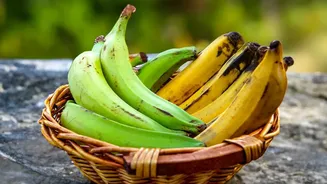
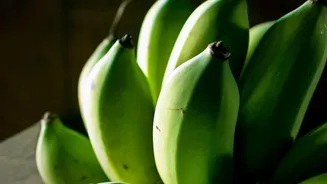
The most significant difference between green and yellow bananas lies in their carbohydrate composition. As a banana ripens, its starches are converted into simple sugars. A firm green banana is packed with resistant starch, a complex carb that, as its name
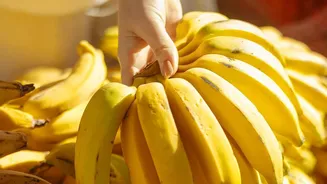
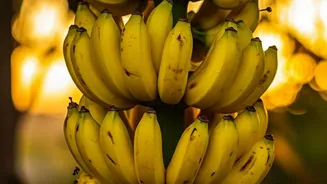
suggests, 'resists' digestion in your small intestine. This means it functions more like a dietary fibre. In contrast, a ripe yellow banana has had most of that starch turned into sugars like sucrose, glucose, and fructose, which give it its characteristic sweet flavour and provide a quicker source of energy. This enzymatic process is why a yellow banana is softer and sweeter, while a green one is firm and has a more neutral, almost potato-like taste.
Impact on Digestion and Gut Health
Your digestive system experiences green and yellow bananas very differently. The resistant starch in green bananas acts as a prebiotic, passing undigested to your large intestine where it becomes food for beneficial gut bacteria. This fermentation process produces short-chain fatty acids, which are vital for colon health. Because of this, green bananas are often recommended for those looking to improve their gut microbiome. They are also considered low-FODMAP, making them a better choice for some people with IBS who may find ripe bananas trigger symptoms like bloating. Yellow bananas, being lower in resistant starch and higher in simple sugars, are generally easier to digest for most people and are less likely to cause gas or bloating in those unaccustomed to high-fibre foods.
Blood Sugar and Weight Management
If you're managing blood sugar levels, the choice is clear. Green bananas have a low glycemic index (GI), typically around 30-42, meaning they cause a slower, more gradual rise in blood sugar. This is due to the high resistant starch content, which slows down digestion. As the banana ripens and sugars increase, so does the GI, with a fully ripe yellow banana having a GI of around 51 or higher. The fibre-like quality of resistant starch in green bananas also promotes a feeling of fullness, which can help with weight management by reducing overall calorie intake.
Nutrient Profile and Antioxidants
Both green and yellow bananas are excellent sources of key nutrients like potassium, vitamin B6, and vitamin C. While the core micronutrient profile doesn't change dramatically, the bioavailability and antioxidant content does. As a banana ripens and develops yellow skin, its antioxidant levels increase. These antioxidants, including compounds like flavonoids and amines, help protect your body from oxidative damage. Fully ripe bananas with brown spots are particularly rich in these beneficial compounds.
The Best Banana for Your Kitchen
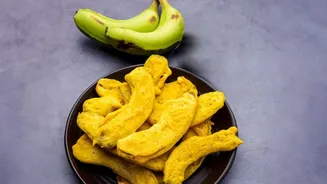
Beyond nutrition, the best banana often comes down to its culinary purpose. Sweet, soft yellow bananas are perfect for eating fresh, slicing over cereal, or blending into smoothies. When they become overripe and spotty, their high sugar content and mushy texture are ideal for baking delicious banana bread or muffins. Green bananas, on the other hand, are firm and starchy, holding their shape well when cooked. In many parts of the world, they are treated like a vegetable, similar to a plantain or potato. They can be boiled, fried, or added to savoury stews and curries.