

Flares and CMEs: The Sun's One-Two Punch
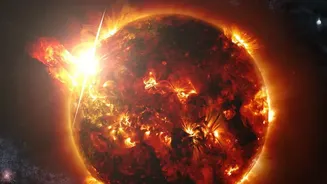
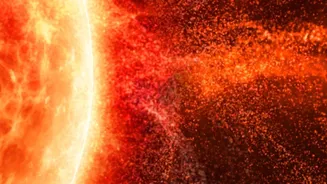
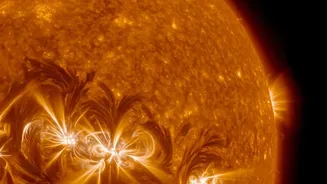
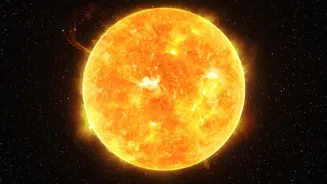
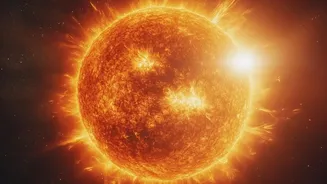
Before understanding the alert system, it's crucial to know what it's looking for. The sun's two most powerful outbursts are solar flares and coronal mass ejections (CMEs). A solar flare is an enormous, sudden burst of electromagnetic radiation, including
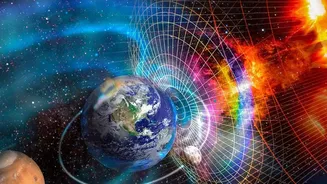
X-rays and ultraviolet light. Traveling at the speed of light, this radiation reaches Earth in about eight minutes. Flares can disrupt radio communications on the sunlit side of the planet. CMEs are often more impactful. These are giant clouds of solar plasma and magnetic fields flung from the sun's corona. While slower than flares, traveling at millions of kilometers per hour, they carry a billion tonnes of matter. If a CME hits Earth, it can trigger a geomagnetic storm, distorting our planet's magnetic field. This can induce damaging electrical currents in power grids and pipelines, disrupt satellite operations, and create beautiful but potent auroras.
The Eyes in the Sky: Our Solar Sentinels
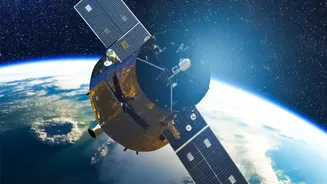
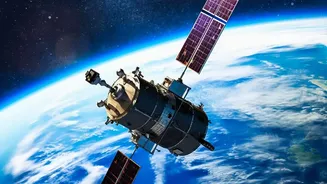
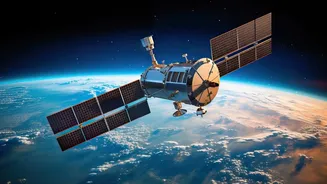
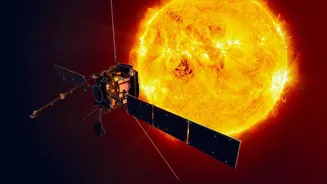
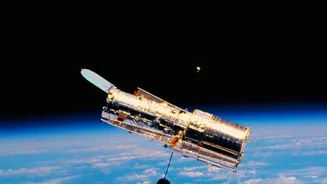
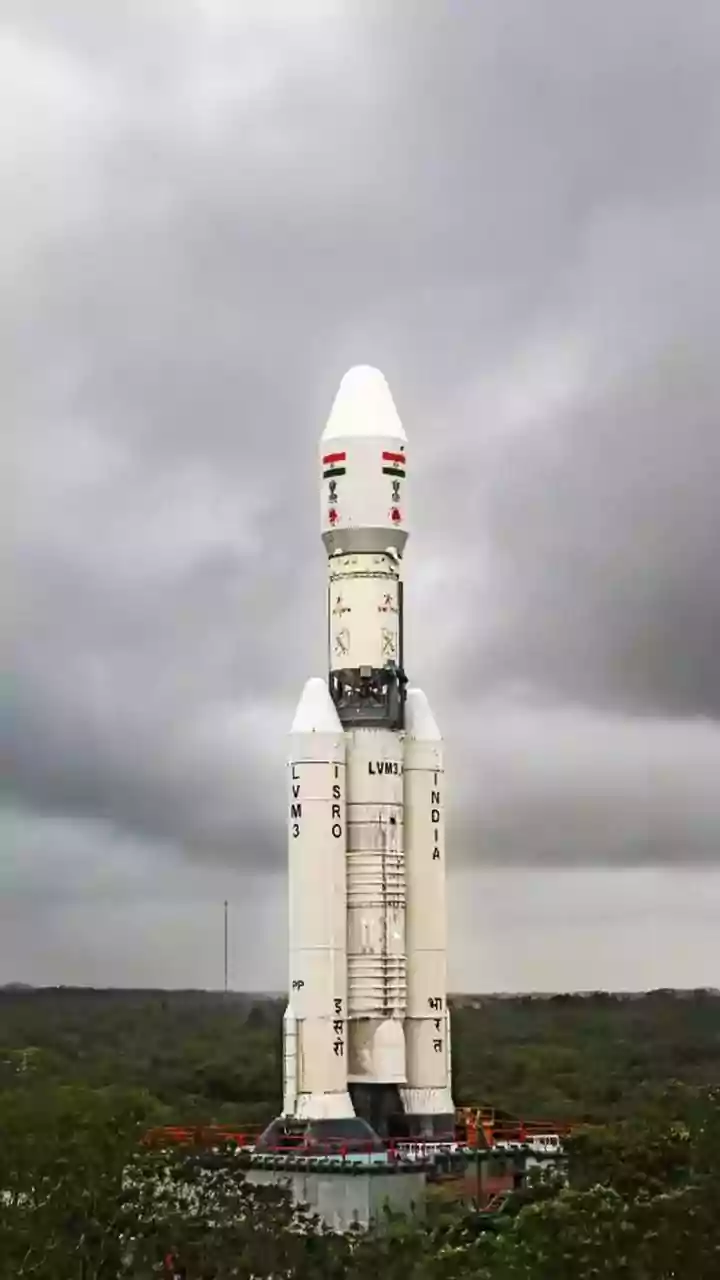
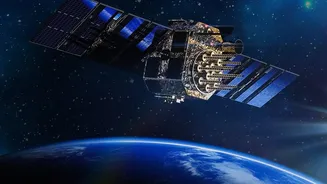
A sophisticated network of satellites acts as our early warning system. These sentinels are strategically placed to keep a constant eye on the Sun. The primary observers are spacecraft like NOAA's GOES series and NASA's Solar Dynamics Observatory (SDO). They monitor the sun in different wavelengths of light, allowing scientists to see the build-up of magnetic energy that can lead to flares and CMEs. For providing advance warning of Earth-directed CMEs, the most critical location is Lagrange Point 1 (L1), a point of gravitational stability about 1.5 million kilometers between the Sun and Earth. Satellites like the Deep Space Climate Observatory (DSCOVR) are positioned here. From this vantage point, they can directly sample the solar wind and see a CME coming, providing a vital 15-to-60-minute warning before the main impact. India has also joined this crucial effort with its Aditya-L1 mission, stationed at the same L1 point to provide continuous solar observation and improve space weather models.
From Solar Eruption to Earth Alert
The process of mapping a solar threat happens in stages. First, satellites like SDO or GOES detect the intense flash of a solar flare in X-rays. Since this light travels at light speed, this is our first, almost instantaneous, indication that a major event has occurred. This can immediately trigger alerts for radio blackouts. Next, coronagraphs on satellites like SOHO or Aditya-L1 create an artificial eclipse, blocking out the sun's bright face to see the fainter corona. This allows forecasters to spot a CME billowing out from the sun. They analyze the CME's size, speed, and direction to determine if it's heading for Earth. If a threat is confirmed, alerts are issued by organizations like NOAA's Space Weather Prediction Center (SWPC) and India's Regional Warning Centre.
Why Early Warnings Matter
An advance warning of a few hours or a day can make a tremendous difference. It allows industries and governments to take protective measures. Power grid operators can redirect power loads and take sensitive equipment offline to prevent widespread blackouts caused by geomagnetically induced currents. Satellite operators can put their spacecraft into a protective 'safe mode' to prevent damage to sensitive electronics. Airlines can reroute flights away from polar regions where radiation exposure is higher and communication blackouts are more common during solar storms. Even services we use daily, like GPS, are affected. Geomagnetic storms can distort the ionosphere, introducing errors into GPS signals that affect everything from precision agriculture to financial transactions that rely on accurate timing.
India's Growing Stake in Space Weather
For a nation rapidly digitizing like India, understanding and predicting space weather is a national priority. Our reliance on satellite technology for communication, navigation (like the NavIC system), broadcasting, and defense is growing every day. A severe solar storm could have a significant economic impact, disrupting these vital services. The Aditya-L1 mission is a testament to India's commitment to monitoring the sun and developing its own space weather prediction capabilities. By combining data from Aditya-L1 with ground-based observatories, Indian scientists are enhancing our ability to forecast and mitigate the effects of solar storms, protecting our technological infrastructure and our journey toward becoming a digitally empowered society.