






Looking for a simple, equipment-free exercise that builds powerful legs and sharpens your balance for everyday life? The walking lunge is your answer. This dynamic movement is key to developing functional strength you can use anywhere.
The Foundation of Functional Strength
The walking lunge
is a powerhouse for the lower body. With every step, you engage the major muscles responsible for movement: the quadriceps on the front of your thighs, the hamstrings on the back, and the glutes. This isn't just about building muscle for the gym; it's about creating functional strength that translates directly into daily activities. Think about climbing a flight of stairs, carrying heavy groceries, or getting up from the floor—these actions all mimic the lunge pattern. By strengthening these key muscles, walking lunges make everyday movements feel easier and reduce the risk of strain. The exercise also works one leg at a time, a concept known as unilateral training, which is excellent for identifying and correcting strength imbalances between your left and right sides.
Mastering the Art of Balance
One of the most significant, yet often overlooked, benefits of walking lunges is the profound improvement in balance and stability. Because you are constantly moving forward from one unstable single-leg position to the next, your body is forced to make constant micro-adjustments. This process enhances proprioception, which is your body’s awareness of its position in space. A well-developed sense of proprioception is crucial for preventing falls and injuries in daily life. The walking lunge engages your deep core muscles, including your abdominals and obliques, which act as stabilisers to keep your torso upright and prevent twisting. The small muscles in your feet and ankles also work overtime to maintain stability, building a strong and responsive foundation.
Perfecting Your Form: A Step-by-Step Guide
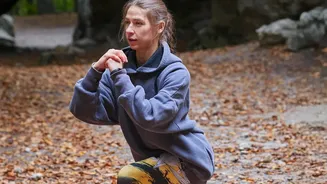
Proper form is crucial to maximise benefits and prevent injury. Start by standing tall with your feet hip-width apart and your core engaged. Take a controlled step forward with one leg, landing on your heel first. Lower your hips until both knees are bent at approximately a 90-degree angle. Your front knee should be directly above your ankle, not drifting past your toes, and your back knee should hover just above the ground. Keep your torso upright and avoid leaning forward. To continue, push off your back foot and drive through your front heel, bringing your back leg forward to step into the next lunge. Maintain a steady, controlled pace, focusing on the quality of each repetition rather than speed.
Taking Your Lunges Outdoors
Performing walking lunges outdoors offers unique advantages over a gym session. The fresh air and natural scenery can provide a significant mental boost, reducing stress and making your workout more enjoyable. Exposure to sunlight also helps your body produce Vitamin D, which is essential for bone health and mood regulation. Furthermore, natural terrain can add a new level of challenge. While beginners should start on a flat, stable surface like a paved path, progressing to grass or a well-maintained trail introduces slight unevenness. This forces your stabiliser muscles in your ankles, hips, and core to work even harder, further enhancing your balance and coordination. The varied environment keeps your body guessing and can lead to greater overall fitness gains.
Getting Started Safely Outside
When you first take your lunges outdoors, safety is paramount. Choose a location that is well-lit and free of tripping hazards like large rocks or roots. A local park with a running track or a flat grassy area is an ideal starting point. Pay attention to your surroundings and, if listening to music, keep the volume low enough to hear what's going on around you. Always warm up with some light movement before you begin, such as marching in place or light stretching. Most importantly, listen to your body. If you feel any sharp pain, stop. It's better to build up your strength and distance gradually over several weeks than to push too hard and risk an injury.