


As November arrives, the air cools and the festive season approaches. It’s the perfect time to turn your balcony into a productive winter vegetable patch. Success starts from the ground up, with soil that can sustain your plants through the cooler months.
Why November Is The Golden Month
Across the Indian plains, November is a crucial window for winter vegetable gardening. The intense heat and heavy rains of the monsoon are gone, replaced by milder sun and cooler nights. These conditions are ideal for cool-season crops, which often develop a sweeter, richer flavour in this weather. Sowing in November, once daytime temperatures are consistently below 30-32°C, allows plants to establish their roots before the deeper chill of late December and January. This timing helps leafy greens and root vegetables thrive, giving you a continuous supply of fresh produce right through the winter.
Choosing Your Winter Containers
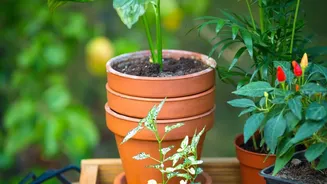
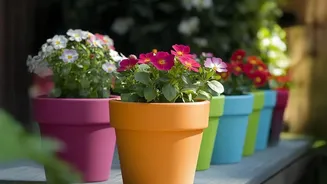
Before you even think about soil, select the right home for your plants. The rule is simple: match the pot to the plant's needs. For leafy greens like spinach (palak), fenugreek (methi), and coriander (dhaniya), wide, rectangular troughs about 6 to 8 inches deep are perfect. This larger surface area allows you to sow more seeds for a fuller harvest. For root vegetables like carrots, radishes, and turnips, you'll need deeper pots—at least 10 to 12 inches—to give the roots space to grow downwards without obstruction. Plants like tomatoes or cauliflower will need their own large, 12 to 14-inch pot. Whatever you choose, ensure every container has drainage holes. Without them, water will stagnate, leading to root rot.
The Perfect Potting Mix Recipe
Container plants are in a closed environment, entirely dependent on the soil you provide. A good winter potting mix needs to do three things: hold moisture, provide nutrients, and allow for excellent drainage. A widely recommended recipe involves three key ingredients in equal parts: garden soil, compost or vermicompost, and cocopeat. One popular formula suggests a blend of 35% regular soil, 35% vermicompost, and 20% cocopeat, with the remaining 10% being neem cake (neem khali) for pest prevention. The soil provides structure, the compost delivers essential nutrients, and cocopeat helps retain moisture without becoming waterlogged. For extra drainage, especially for root vegetables, you can add a handful of coarse sand or perlite. Mix these components thoroughly in a large tub or on a tarp before filling your pots.
Step-by-Step Soil Preparation
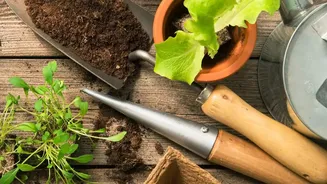
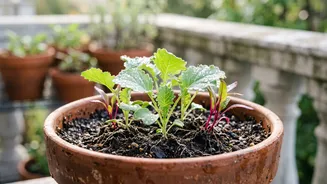
Once you have your ingredients, preparing the pots is straightforward. First, if you're reusing old pots, wash them thoroughly with soap and water to remove any lingering pests or diseases. To improve drainage, you can place a few broken terracotta pieces or small stones over the drainage holes, but avoid creating a thick layer that takes up valuable root space. Next, fill the pots with your prepared soil mix, leaving about an inch of space at the top. This prevents soil and water from spilling over when you water the plants. Moisten the soil lightly before sowing your seeds. This ensures the seeds have good contact with the soil and a damp environment to kickstart germination. After sowing the seeds at the correct depth for each variety, cover them gently and mist the surface with water to avoid dislodging them.
Best Vegetables to Plant Now
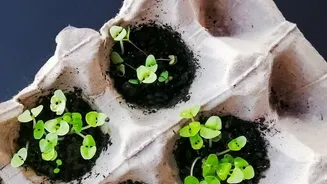
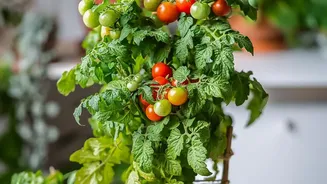
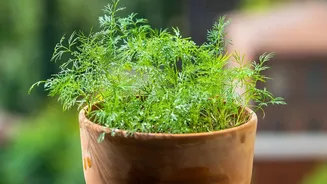
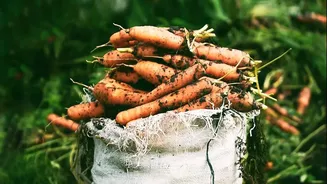
November is ideal for a variety of delicious and easy-'to'-grow vegetables. The quickest and most rewarding for beginners are leafy greens. Spinach (palak), fenugreek (methi), and coriander (dhaniya) can be ready for their first harvest in as little as 30-'45'-days. Radishes are also incredibly fast, with some varieties ready to pull in under a month. Other excellent choices for November sowing include carrots (choose shorter varieties for pots), peas, lettuce, and mustard greens. For those with larger containers and a bit more patience, this is also the time to transplant seedlings of tomato, cauliflower, and broccoli.
Maintaining Soil Health Through Winter
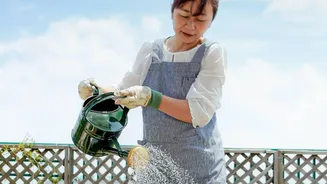
Your job isn't over once the seeds are in. As your plants grow, they will consume the nutrients in the soil. To keep them productive, you'll need to feed them. A monthly application of a liquid fertilizer, like a diluted solution of mustard cake (sarson khali) or more vermicompost, will replenish nutrients and support vigorous growth. Always water when the top inch of soil feels dry to the touch, and water thoroughly until it runs out of the drainage holes. Be mindful not to overwater, especially as temperatures drop, as plants consume less water in cooler weather. A healthy, well-'fed' soil is your best defence against pests and will reward you with fresh,' homegrown' flavour all winter.