





What Defines 'Ultra-Processed'?
Not all processed food is considered unhealthy. The issue lies with 'ultra-processing'. Scientists use a system called NOVA to classify foods into four groups based on their level of industrial processing. Group 1 is unprocessed or minimally processed foods,
like fresh fruit, vegetables, and meat. Group 2 is processed culinary ingredients like salt, sugar, and oils. Group 3 is processed foods, such as canned vegetables and simple breads, which combine items from the first two groups. The concern is with Group 4: ultra-processed foods (UPFs). These are industrial formulations made from substances extracted from foods, with added colours, flavours, and other additives not typically used in home cooking. Think of ingredients you can't pronounce or wouldn't find in a kitchen, like high-fructose corn syrup, hydrogenated oils, and emulsifiers. These products are designed to be cheap, convenient, and hyper-palatable.
The Latest Alarming Health Links
Recent large-scale studies continue to solidify the link between high UPF consumption and negative health outcomes. A comprehensive review published in The BMJ found that higher intake of UPFs is consistently associated with an increased risk for 32 adverse health problems. The evidence was most convincing for a roughly 50% increased risk of cardiovascular disease-related death and a 48-53% higher risk of anxiety and common mental disorders. Other highly suggestive evidence pointed to a 21% greater risk of death from any cause, a 40-66% increased risk of heart disease-related death, obesity, and type 2 diabetes, and a 22% increased risk of depression. A separate European cardiology report highlighted that adults with the highest UPF consumption have up to a 19% higher risk of heart disease. The concern extends to all ages; a recent study found that 81% of foods marketed to toddlers were ultra-processed.
How Do UPFs Harm Our Health?
The exact mechanisms are still being investigated, but scientists have several theories. UPFs are typically high in added sugar, unhealthy fats, and salt, while being low in fibre and essential nutrients. Their industrial structure and additives may disrupt the gut microbiome, promote inflammation, and interfere with satiety signals, leading to overeating. The combination of low-cost ingredients, long shelf-life, and intensive marketing makes these products ubiquitous, displacing more nutritious, whole-food-based diets. Researchers note that the issue is not just about single nutrients like fat or sugar, but the entire package of industrial processing and its cocktail of cosmetic additives.
How to Spot UPFs in India
Identifying UPFs on your grocery run can be tricky, as even some traditional Indian foods are now being produced in ultra-processed forms. A key strategy is to read the ingredient list. If you see a long list of unfamiliar chemical names, thickeners, emulsifiers, artificial colours, and flavour enhancers, it's likely a UPF. These items are not things you would use in a home kitchen. Common examples in an Indian context include mass-produced packaged breads, instant noodles, packaged sweet and savoury snacks, sugary drinks, and many ready-to-eat meals. A good rule of thumb is to favour foods with short ingredient lists made of recognisable, whole-food components.
A Balanced Path Forward
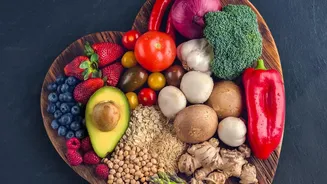
While the evidence is concerning, the goal isn't to create panic or eliminate every convenience item from your life. The key is awareness and moderation. Understanding what makes a food ultra-processed empowers you to make more informed choices. Start by aiming to reduce your reliance on UPFs. Try swapping one packaged snack for a piece of fruit or a handful of nuts. Prioritise cooking meals from scratch when possible, using unprocessed or minimally processed ingredients. Recent research shows that even a majority of consumers who want to avoid UPFs struggle to identify them, so learning to read labels is a powerful first step. Focusing on a diet rich in whole foods—vegetables, fruits, legumes, whole grains, and lean proteins—is the most effective strategy for long-term health, moving the focus away from industrial formulations and back to real food.