
Meghalaya: The Abode of Clouds
Meghalaya truly lives up to its name during the monsoon. The entire state is cloaked in mist and rain, turning the landscapes into a vibrant, living green. This is the season when waterfalls like Nohkalikai and the Seven Sisters Falls, which are otherwise
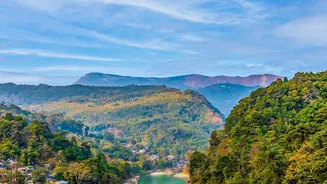
gentle, become thunderous spectacles. Journeying to Sohra (Cherrapunji) and Mawsynram, known as two of the wettest places on Earth, becomes an adventure in itself, where you can feel like you're literally walking through the clouds. The famed living root bridges, particularly the Double Decker bridge in Nongriat, are at their most resplendent, surrounded by lush vegetation and swirling mist. Culturally, this season offers a more peaceful experience with fewer tourists. You can explore the unique bat caves, which often fill with water, or simply enjoy the serene, romantic atmosphere of Shillong, the “Scotland of the East”.
Assam: Tea Gardens and Riverine Culture
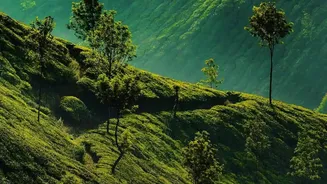
Monsoon in Assam paints the state's iconic tea gardens in the brightest shade of green. The sprawling plantations look refreshed and utterly captivating under the cloudy skies. While Kaziranga National Park is mostly closed during this season due to the flooding of the Brahmaputra river, the swelling river itself creates dramatic landscapes. A key cultural highlight is a visit to Majuli, the world's largest river island. During the monsoon, reaching the island via ferry across the mighty Brahmaputra is an experience of its own. Majuli is the heartland of Assamese Neo-Vaishnavite culture, and its ancient 'Satras' (monasteries) offer a peaceful retreat and a deep dive into local traditions, art, and mask-making. Some festivals, like the Ambubachi Mela at Kamakhya Temple in Guwahati, take place during the monsoon, celebrating fertility and the power of nature.
Sikkim: Serenity Amidst the Mist
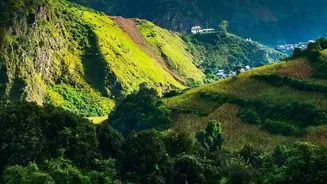
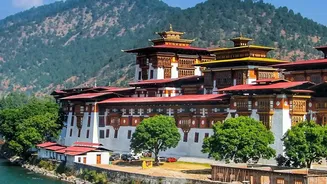
Visiting Sikkim in the monsoon is for those who appreciate a more serene and introspective journey. The rain-washed landscapes are incredibly lush, and the Buddhist monasteries, shrouded in mist, exude an unparalleled sense of peace. Places in South and West Sikkim, like Pelling, Namchi, and Ravangla, are generally considered safer and remain accessible. You can explore ancient monasteries, witness the vibrant green hills, and enjoy the cool, pleasant weather. However, travel in Sikkim during this season requires caution. Heavy rains can lead to landslides and road blockages, particularly on the main highway (NH-10) and in North Sikkim, where tourist permits are often suspended for safety. It is crucial to build buffer days into your itinerary and check road conditions daily.
Arunachal Pradesh: Roaring Waterfalls and Tribal Heartlands
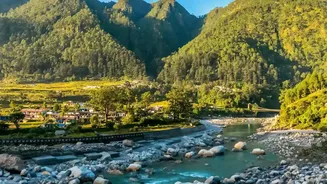
For the more adventurous traveller, Arunachal Pradesh in the monsoon offers breathtaking views of roaring waterfalls and verdant valleys. The Nuranang Falls near Tawang, for instance, is a spectacular 100-metre cascade that reaches its peak volume during the rains. The Ziro Valley, a UNESCO World Heritage site contender, becomes a vast, green canvas of paddy fields, offering a unique cultural experience with the Apatani tribe. However, like Sikkim, travel here comes with risks. The mountainous roads to destinations like Tawang and Ziro are prone to landslides and slush, making journeys unpredictable. It is essential to avoid night travel, keep your itinerary flexible with extra days, and stay informed about local conditions. Short, planned trips to more accessible towns are a safer way to experience the state's monsoon beauty.