




Hibiscus: The Tropical Star
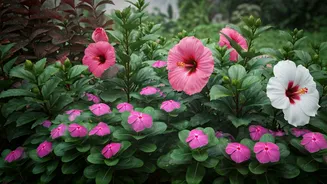
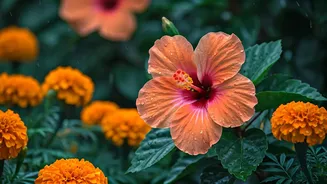
The ever-popular hibiscus (Gudhal) loves the warm, moist climate of the Indian monsoon. [3, 9] These plants produce large, showy flowers in a dazzling array of colours like red, pink, and yellow, which become even more vibrant in the humid weather. [9]
As a moisture-loving plant, hibiscus flourishes with the increased humidity, often growing quickly and producing more blooms during this season. [9] Ensure it's planted in well-drained soil and receives plenty of sunlight. [3] Regular pruning can also encourage a bounty of flowers. [3]
Marigold: Cheerful and Hardy
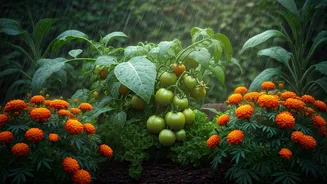
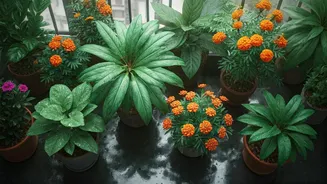
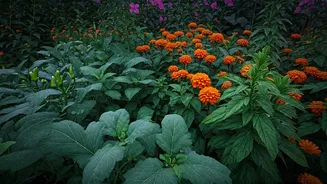
Marigolds (Genda) are a cheerful and resilient addition to any monsoon garden. Known for their bright yellow and orange hues, they bring a splash of sunshine to cloudy days. [9] These flowers are famously adaptable and can tolerate the seasonal shifts of the monsoon, blooming profusely with moderate rainfall. [9] They are also easy to grow and can help protect other plants from pests. [3] The ideal time to grow them is between July and August. To ensure they flourish, provide ample sunlight and well-draining soil to prevent waterlogging, which they dislike. [13, 9]
Jasmine: Fragrance in the Air
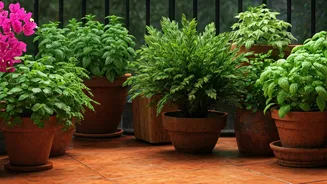
The fragrance of jasmine (Mogra/Chameli) mingling with the earthy scent of rain is a classic monsoon experience. [15] These fragrant beauties, with their delicate white petals, thrive during the rainy season. [13] The increased humidity and moisture create the perfect conditions for jasmine to produce an abundance of aromatic flowers. [13] They prefer well-drained soil and a spot with partial to full sunlight. [3] Supporting the vines with a trellis is a good idea, as is pruning after the flowering season to encourage new growth. [13]
Okra: A Kitchen Garden Favourite
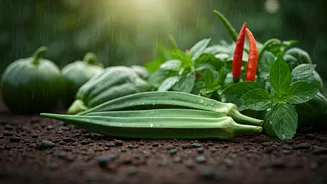
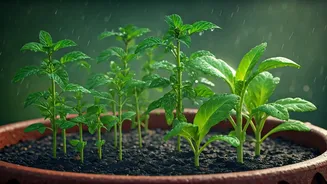
Also known as Bhindi or Lady's Finger, Okra is one of the most reliable vegetables for a monsoon kitchen garden. [8, 12] It loves the warmth and humidity that the season brings. [6, 11] Bhindi grows fast, handles the monsoon humidity well, and can produce fresh pods for many weeks, making it a very rewarding plant for beginners. [11, 5] Plant the seeds in a spot that receives plenty of sunlight, and you can expect a bountiful harvest. [5]
Green Chillies: Spice Up the Season
What’s an Indian kitchen without a steady supply of green chillies? The monsoon is the perfect time to grow them, as the plants develop successfully with the increased humidity. [2, 5] They grow perfectly in warm and humid weather, and the regular rains reduce the need for frequent watering. [5, 2] Chillies can be easily grown in medium-sized pots with good drainage and will bear fruit for several months, provided they are in a sunny spot. [2, 11]
Essential Monsoon Gardening Care
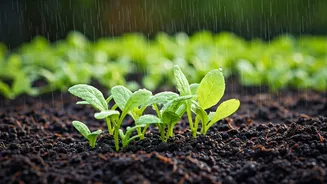
While the rains are a blessing, they also bring challenges. The most critical factor is ensuring proper drainage to prevent waterlogging and root rot. [22] Use pots with ample drainage holes and consider elevating them on bricks. [10, 22] Don't overcrowd your plants; good air circulation is key to preventing fungal diseases that thrive in damp conditions. [6, 23] Avoid watering on days it has already rained. Finally, keep an eye out for pests like slugs and snails, which become more active in the wet weather. [6]