



More Than Just a Condiment
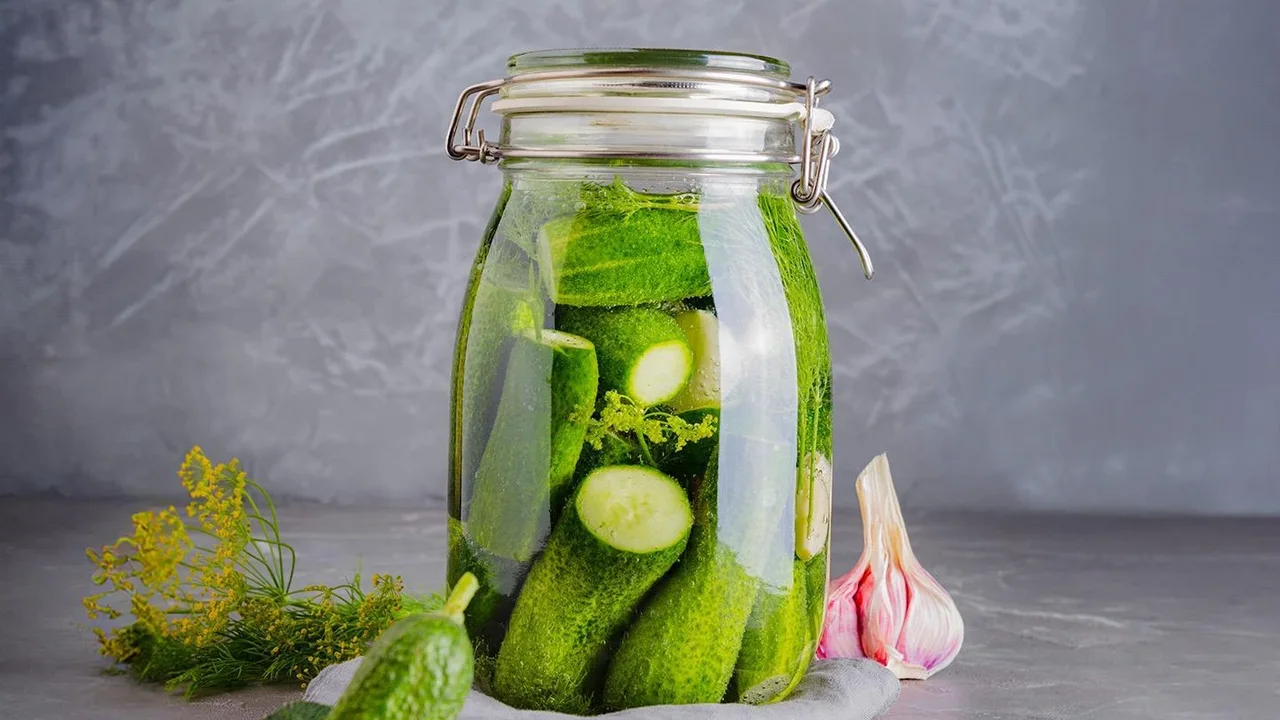
In India, pickles, or achaar, are not merely a side dish; they are a culinary tradition thousands of years old. Born from the necessity of preserving seasonal produce, the art of pickling evolved into a cornerstone of Indian cuisine, a way to add a burst
of flavour, texture, and aroma to any meal. The process is a cultural ritual in itself, with recipes passed down through generations, often as closely guarded family heirlooms. From the choice of oil—mustard in the north, sesame in the south—to the unique blend of local spices, a pickle is a delicious reflection of a region's geography and culture.
The Fiery South: Avakaya and Gongura
Travel to Andhra Pradesh, and you'll encounter pickles that are legendary for their heat and complexity. The most iconic is Avakaya, a fiery mango pickle that is a cultural symbol of Telugu households. Its name comes from 'aava' (mustard) and 'kaya' (raw fruit), and it's made with raw mangoes, a generous amount of mustard powder, red chili, and sesame oil. Another regional star is the Gongura pickle, made from tangy sorrel leaves. It has a uniquely sharp and sour taste that is an essential side dish in Telugu cuisine, often paired with hot rice and ghee.
The Sweet and Tangy West: Gorkeri and Chhundo
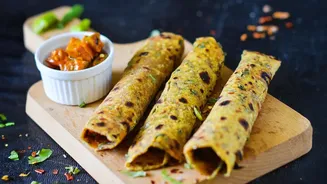
Gujarati pickles masterfully balance sweet, sour, and spicy notes. Two mango-based pickles, Gorkeri and Chhundo, are staples in almost every Gujarati home. Gorkeri is made from chunks of raw mango, jaggery ('gor'), and a special spice mix that includes coriander and fenugreek seeds. Chhundo, which means 'crushed' in Gujarati, is a relish made from grated raw mangoes that are traditionally sun-cured with sugar and chili powder, resulting in a sweet and spicy condiment that pairs perfectly with theplas and other flatbreads.
The Robust North: Gajar-Gobhi-Shalgam Achar
Winter in North India brings a bounty of vegetables perfect for pickling. The Gajar-Gobhi-Shalgam Achar is a Punjabi specialty, a vibrant mix of carrots, cauliflower, and turnips. This pickle has a complex flavour profile that is tangy, sweet, and spicy all at once. The vegetables are often blanched and sun-dried before being mixed with mustard oil, jaggery, vinegar, and a robust blend of spices including mustard seeds, ginger, and garlic. It's a winter favorite that brings warmth and zest to meals during the colder months.
Eastern Promises: Kuler Achar
Bengali cuisine offers its own unique pickle traditions, like the Kuler Achar. This sweet and spicy pickle is made from 'Kul' or Jujube (also known as Ber), a fruit that appears in markets in the early part of the year. The jujubes are sun-dried until they shrink, then cooked in a syrup of jaggery and spiced with Bengali panch phoron, a five-spice blend. The result is a delightful condiment that captures the essence of seasonal eating and is a nostalgic taste of home for many Bengalis.