




Rethink Your Drinking Water
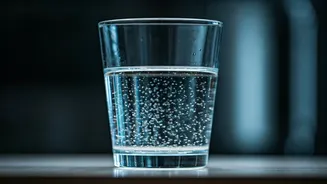
Bottled water might seem pure, but studies consistently show it contains significantly more microplastics than tap water. Research has found that a single litre of bottled water can contain hundreds of thousands of plastic particles, often originating
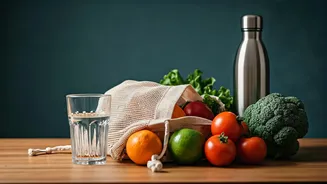
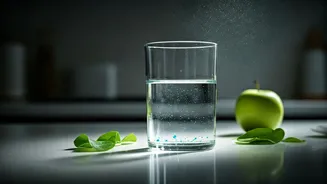
from the bottle and cap itself. A better choice is to drink filtered tap water from a reusable glass or stainless-steel bottle. Not all filters are created equal, however. Reverse osmosis (RO) systems are considered the most effective, capable of removing the vast majority of micro- and nanoplastics. Other options like ultrafiltration and certain ceramic or carbon block filters can also be effective at trapping these tiny particles. Investing in a certified filter is a key first step.
Avoid Heating Food in Plastic
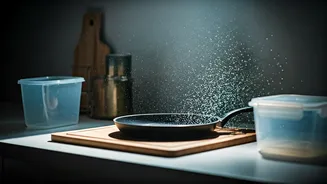
One of the most significant sources of microplastic ingestion comes from heating food in plastic containers. Microwaving plastic, even if it's labelled “microwave-safe,” can release millions of microplastic and billions of nanoplastic particles directly into your meal. The term “microwave-safe” only means the container won't melt, not that it won't degrade. Instead, always transfer food to a glass or ceramic dish before heating. The same logic applies to hot takeaway foods; transfer them out of their plastic or plastic-lined paper containers as soon as you get home. High temperatures accelerate the breakdown of plastic, increasing the amount that leaches into your food.
Upgrade Your Kitchenware and Storage
Plastic cutting boards, utensils, and storage containers all contribute to the plastic load in our diet. Scratches on a plastic cutting board can trap food particles and shed microplastics. Over time, plastic containers degrade from use, washing, and temperature changes, releasing particles into the food they store. Gradually replace these items with more durable and inert alternatives like wood or bamboo for cutting boards, and stainless steel or glass for utensils and food storage. If you use plastic containers, avoid storing oily or acidic foods in them and replace any that are scratched or warped. Even “BPA-free” plastics can leach other potentially harmful chemicals and microparticles.
Be Mindful of Certain Foods
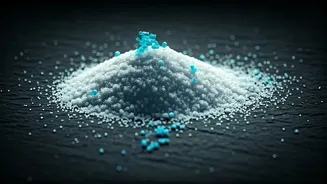
Some foods are known to have higher concentrations of microplastics due to environmental contamination or processing. Seafood, particularly shellfish like oysters and mussels that filter large volumes of water, can accumulate microplastics. Studies have also found microplastics in table salt (both sea salt and rock salt), honey, sugar, and beer. Highly processed foods, such as breaded shrimp or chicken nuggets, tend to contain more microplastics than their minimally processed counterparts, likely due to contact with plastic equipment during manufacturing. Opting for fresh, whole foods and minimising ultra-processed items can help reduce intake.
Wash Produce and Choose Tea Wisely
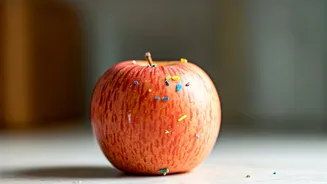
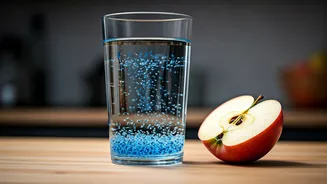
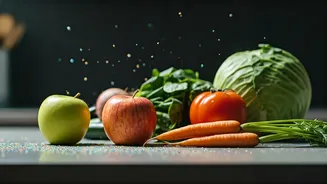
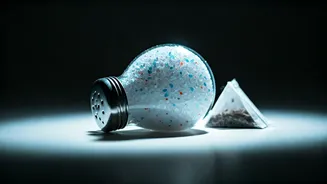
Fruits and vegetables can absorb microplastics from contaminated soil and water. While this internal contamination can't be washed away, rinsing produce thoroughly can remove surface particles. Soaking vegetables in a solution of baking soda and filtered water may help remove surface contaminants more effectively. Another surprising source is teabags; many are sealed with polypropylene and can release billions of plastic particles when steeped in hot water. To avoid this, choose loose-leaf tea brewed in a metal infuser or opt for brands that explicitly state their bags are plastic-free.