



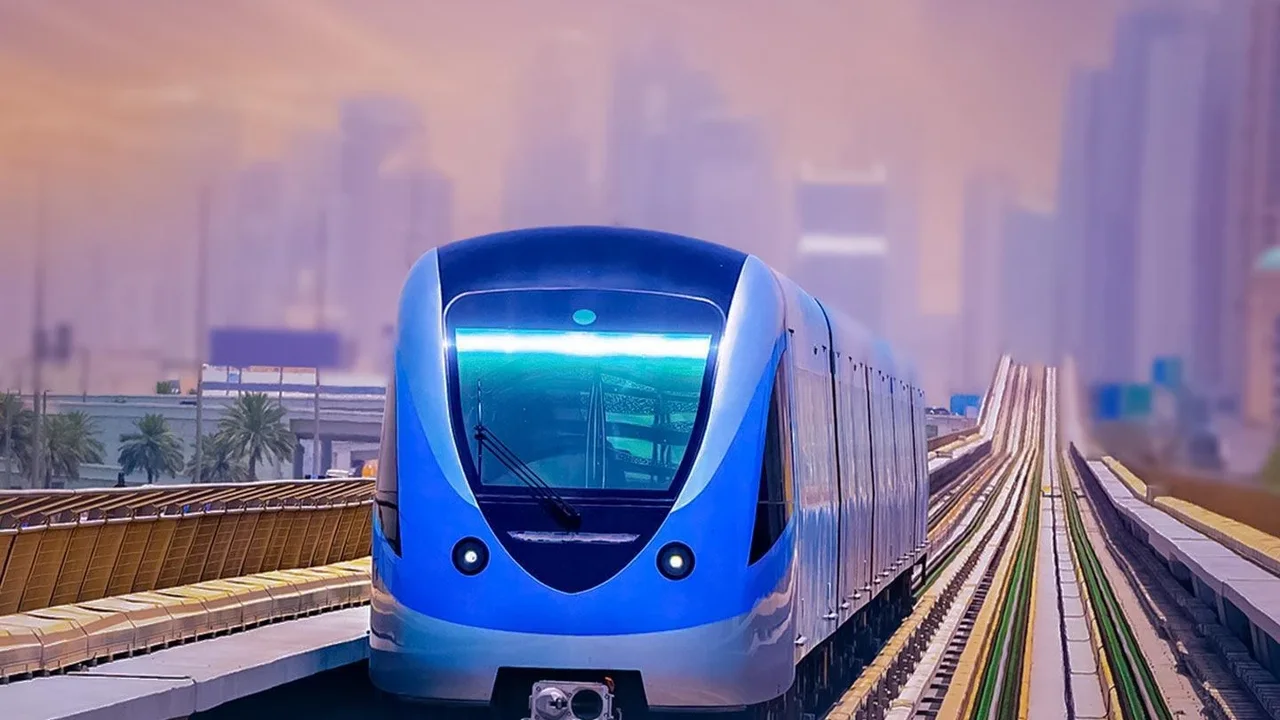
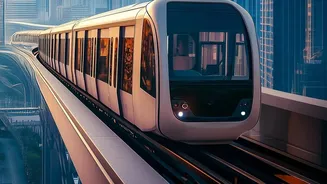
A New Milestone for the Metro
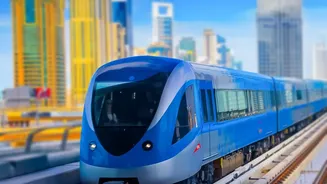
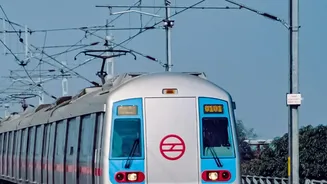
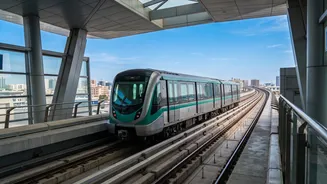
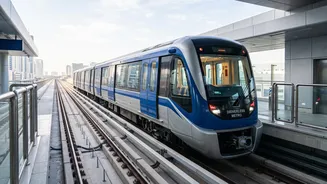
During the pre-Diwali rush on November 2, 2026, the driverless trains on the Magenta and Pink Lines saw unprecedented traffic. An eye-popping 1.6 million commuters chose to travel on these automated lines, accounting for about one in every five passengers
across the entire network that day. To put that into perspective, the number of people who travelled on these two lines alone is more than the entire population of Arunachal Pradesh. This surge in ridership underscores the growing reliance on and trust in the Unattended Train Operation (UTO) system, which has been operational since 2020. The Delhi Metro Rail Corporation (DMRC) currently runs 100 driverless trains across 120 km of its network, making it one of the largest automated metro systems in the world.
The Technology Behind the 'Driverless' Journey
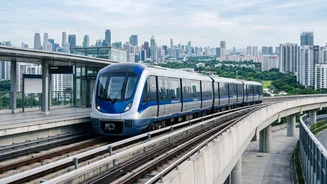
So, how do these trains run without a driver? The system is based on an advanced technology called Communication-Based Train Control (CBTC). This allows for the highest Grade of Automation, known as GoA 4, where trains are operated automatically from a central control centre. This technology handles everything from starting and stopping to door operations and managing the distance between trains. While the term 'driverless' might conjure images of empty cabins, DMRC initially deployed attendants on the trains to assist passengers and build confidence. This strategy has clearly paid off, with commuters now embracing the technology. The system is designed to minimise human error, a key factor in enhancing safety and operational efficiency.
More Than Just a Novelty
The benefits of driverless operations extend far beyond the 'wow' factor. For the daily commuter, it translates into a more reliable and frequent service. Automation allows trains to run closer together, reducing headway (the time between trains) and easing platform crowding, especially during peak hours. According to DMRC Managing Director Vikas Kumar, the system provides greater flexibility in operations and improves the availability of coaches for service. Furthermore, automated trains are more energy-efficient and, by eliminating the possibility of human error in routine operations, they offer a potentially safer journey. Concerns about job losses have also been addressed, with DMRC stating that train operators have been redeployed to other crucial roles like station management and crowd control.
A Blueprint for India's Urban Future
This ridership record is a significant moment not just for Delhi, but for all of India. With metro systems expanding in 26 cities across the country, Delhi’s success serves as a powerful case study. The DMRC plans to expand its driverless network from the current 120 km to nearly 198 km as ongoing projects are completed. This commitment to automation is part of a broader push to make Delhi’s public transport world-class, integrating new technologies like AI-powered surveillance and predictive maintenance to create a smarter, safer, and more sustainable transit system. The November 2 record demonstrates that when a high-quality, reliable, and technologically advanced alternative is provided, commuters are ready to embrace it.