


The Principles of a Vrat Diet
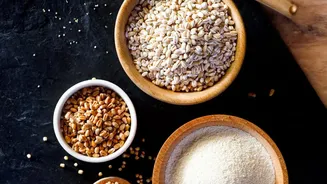
Navratri fasting, or 'vrat', is not about complete starvation but about eating pure, 'satvik' foods that are light on the digestive system. This typically means avoiding grains like wheat and rice, lentils, onions, garlic, and regular table salt. Instead,
the diet revolves around fruits, select vegetables, dairy products, and specific non-cereal grains and flours. The focus is on ingredients that provide sustained energy, keeping the body and mind clean during the period of spiritual reflection. Rock salt, or 'sendha namak', is used for seasoning as it is considered a purer form of salt.
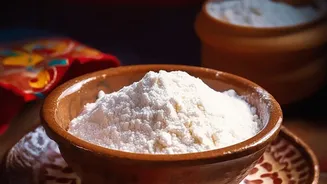
Kuttu Ka Atta (Buckwheat Flour)
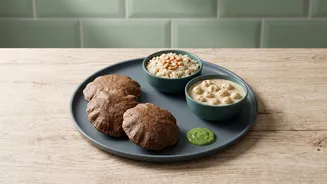
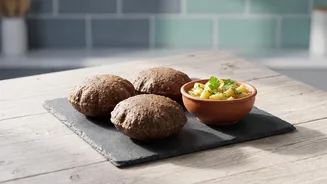
Despite its name, buckwheat is not a type of wheat. It is a gluten-free pseudocereal, making 'kuttu ka atta' a staple during Navratri. This flour is a nutritional powerhouse, rich in high-quality protein, dietary fibre, magnesium, and antioxidants. Its low glycemic index helps in regulating blood sugar levels, providing a steady release of energy that prevents the fatigue often associated with fasting. Its high fibre content also aids digestion. It is most commonly used to make puris, parathas, and cheelas, offering a filling and nutritious meal option.
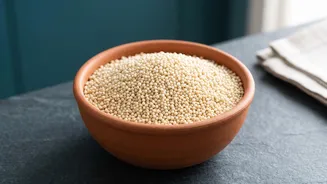
Sama Rice (Barnyard Millet)
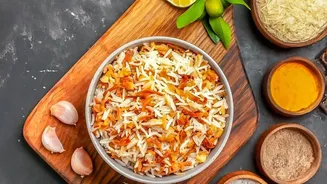
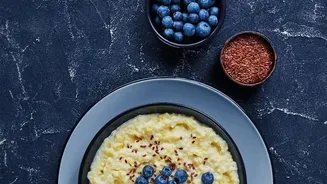
Known as 'vrat ke chawal', Sama rice or barnyard millet is the perfect substitute for regular rice during Navratri. This tiny, round grain is gluten-free, easy to digest, and has a low glycemic index, making it suitable for maintaining stable energy levels. It is an excellent source of dietary fibre and protein. Barnyard millet is incredibly versatile and can be used to make khichdi, pulao, upma, and even kheer, providing comforting and wholesome meals throughout the fast.
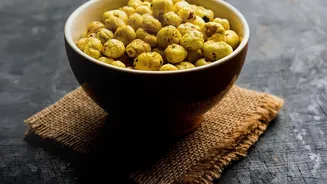
Makhana (Fox Nuts)
Makhana, or fox nuts, are the popped seeds of the lotus plant and are a prized fasting snack. They are incredibly light, low in calories, and packed with protein, magnesium, and potassium. Being low on the glycemic index, makhana provides sustained energy without causing blood sugar spikes, making you feel full for longer. Their versatility is a major plus; they can be simply roasted with a little ghee and rock salt for a crunchy snack, or added to kheer, raita, or vegetable curries for a more substantial meal.
Sabudana (Tapioca Pearls)
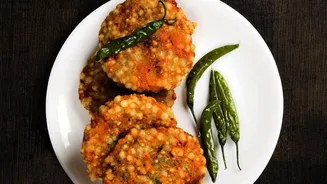
Sabudana is a favourite fasting food known for providing a quick burst of energy. It is a pure starch extracted from tapioca roots, making it high in carbohydrates. While not rich in other nutrients on its own, it becomes a balanced meal when cooked with other ingredients like peanuts, potatoes, and spices. Sabudana is naturally gluten-free and easy to digest, which is why it's a go-to for fasting. Popular dishes include Sabudana khichdi, vadas, and a sweet, milky kheer.
Other Essential Fasting Foods
Alongside the main staples, other foods complete the Navratri diet. Singhare ka atta (water chestnut flour) is another popular gluten-free flour, rich in potassium and fibre, often used for puris and halwa. Vegetables like potatoes, sweet potatoes, pumpkin, and bottle gourd are widely used. All fruits and nuts are permitted and provide essential vitamins and minerals. Dairy products such as milk, yogurt (curd), paneer, and ghee are also integral, offering protein and calcium to keep the body nourished.